
As the price of Nandini milk is under review, consumers in Karnataka are waiting for clarity on a proposed increase in Nandini milk prices, and sugarcane farmers in North Karnataka are also demanding fair prices for their produce. The two issues have also kept people’s minds on them and have been in the news; the state’s dairy and sugar industry is affected by them.
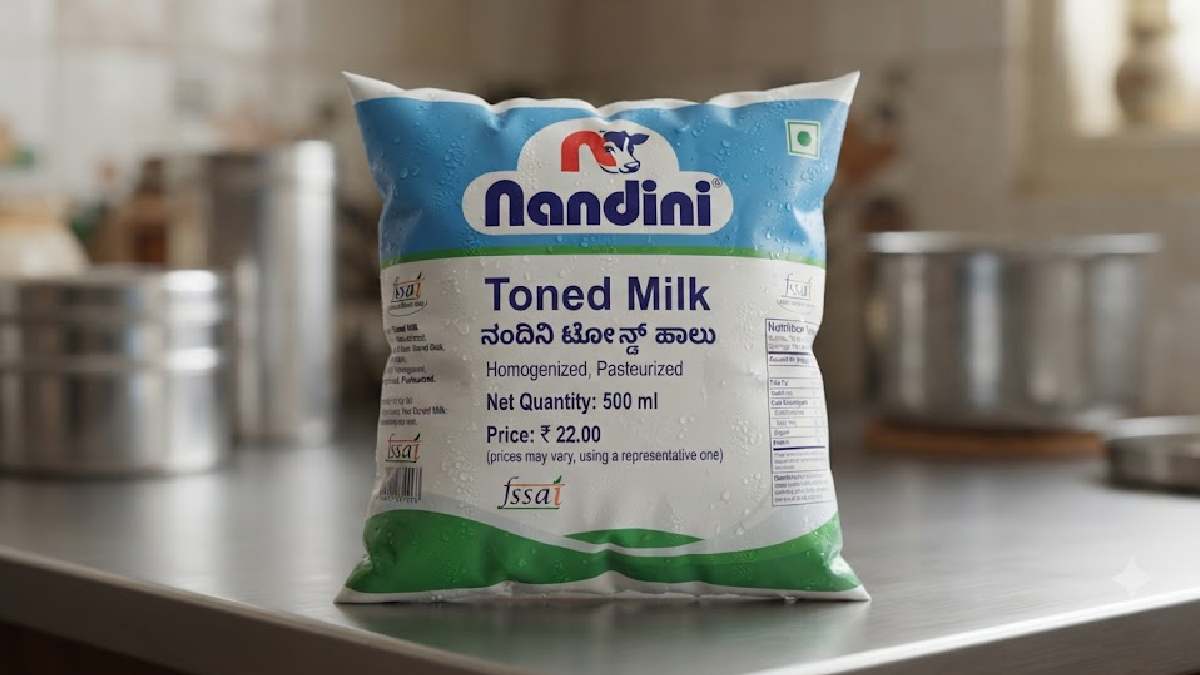
According to information in this section, the Karnataka government is considering raising Nandini milk prices by ₹8 per litre. But an official announcement and a date of implementation are still needed for consumers to know when the revised rates will come into effect.
It is also uncertain what will happen after the Legislative Council elections occur. As voting is scheduled for 23 October 2026, and counting is scheduled for 27 October 2026, it is quite uncertain if the government will make a decision after that.
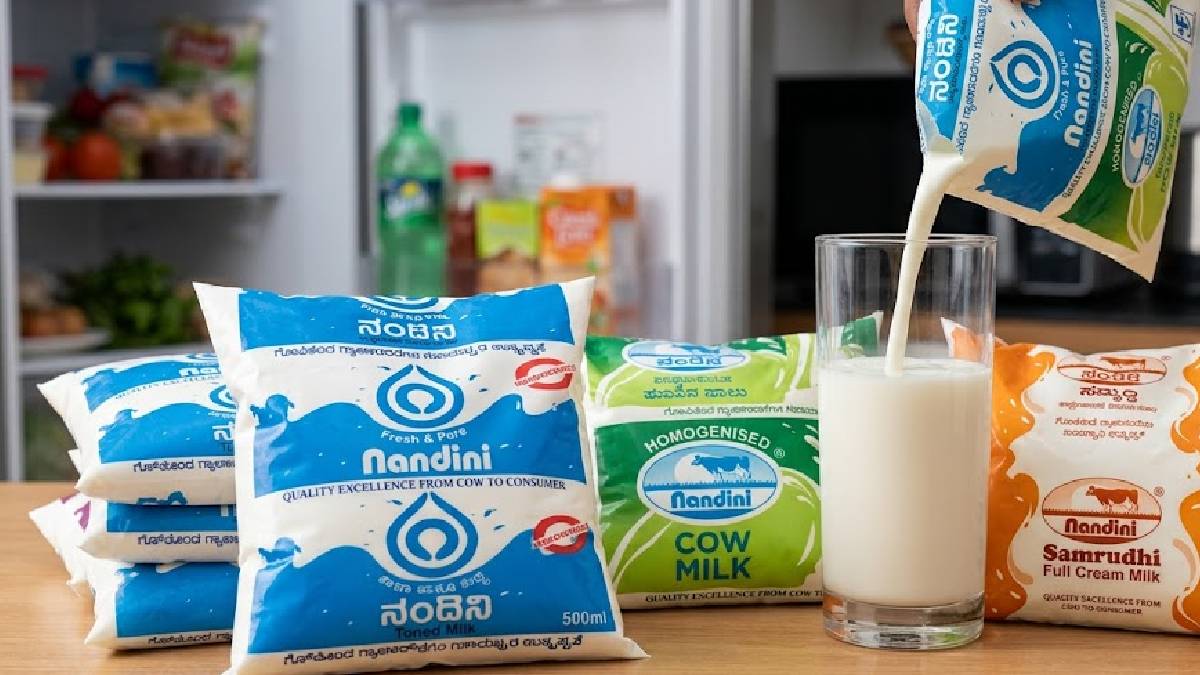
However, October 27 should not be taken as the date for the price increase to be implemented. The final decision will be taken in the context of the government's announcement and any election-related permissions.
Proposed ₹8 increase in Nandini milk prices
The proposed revision is intended to address concerns raised by milk producers and dairy cooperatives about rising operational costs.
Dairy farmers face cattle feed, veterinary care, labour, transportation and other expenses. Milk producers have said if procurement prices could change, they could ease such costs and increase their revenues.
The ₹8-per-litre increase would include an additional ₹6 for milk producers and ₹2 for milk cooperatives. The exact allocation and final pricing structure, however, must be confirmed through an official notification.
For consumers, the proposed increase could mean higher monthly milk costs for those who drink several litres every day, especially those who drink more than one litre of milk. Restaurants, tea shops, bakeries and other businesses that depend on milk could also be hit with higher input costs.
If the government or the Karnataka Milk Federation (KMF) confirms the revised rates and their effective date, consumers should not assume that the proposed increase has already been implemented.
Why are sugarcane farmers protesting in North Karnataka?
At the same time, sugarcane farmers in several parts of North Karnataka have been demanding better prices for their crops and timely settlement of outstanding payments.
Sugarcane cultivation involves significant expenditure on planting material, fertilisers, irrigation, labour, harvesting and transportation. Farmers want that the prices they are paid should be sufficient to cover these costs and give them just enough return.
They seek fair payments for sugarcane, a review of the minimum selling price of sugar and measures to make sure sugar mills pay farmers on time without delay.
The farmers’ concerns are linked to the relationship between sugarcane procurement prices, sugar prices and the financial health of sugar factories. Farmers want better returns, while mills need to manage production costs, sugar realisations and other operating expenses.
Some national highways appeared to be disrupted during the protests; there are also reports. The extent and duration of such disruption may differ from place to place.
The continuing agitation has put pressure on the government to make conversation between farmers, sugar mill representatives and government officials a part of the process.
October 26 meeting on sugarcane farmers' demands
According to the information provided, a meeting between farmers and representatives of sugar factories was scheduled for October 26 to discuss the sugarcane-related demands.
The meeting will give farmers a chance to be heard and to explore possible solutions. But the decision will be made by the authorities.
Some key issues that will be of interest are the price paid for sugarcane, pending payments, the financial status of sugar mills, and the pricing structure of the sugar industry.
Any agreement will need to address farmers' demand for better returns while considering the commercial conditions under which sugar factories operate.
A timely resolution is important because long-term protests can affect transportation, impact factory activities, and cause uncertainty during the sugarcane crushing season.
How exactly would the milk price hike affect household income?
If the proposed ₹8-per-litre increase is approved in full, the additional cost for consumers will depend on how much milk they purchase.
| Daily Milk Consumption | Additional Cost per Day | Additional Cost Over 30 Days |
|---|---|---|
| 1 litre | ₹8 | ₹240 |
| 2 litres | ₹16 | ₹480 |
| 3 litres | ₹24 | ₹720 |
| 5 litres | ₹40 | ₹1,200 |
Illustration based on the proposed ₹8-per-litre increase, assuming the entire increase is passed on to consumers. These are not confirmed revised retail prices.
If families for whom milk is a part of their routine are willing to pay more for it in a month, the increase in monthly grocery bills could be substantial. Businesses that make milk a key ingredient may also have to review their operating costs and selling prices.
At the same time, an increase in the price paid to producers could support dairy farmers if the proposed allocation is implemented as reported.
The final impact will depend on the approved price revision, the distribution of the price revision between producers and cooperatives, and the date of the implementation.
Sugarcane prices manage farmers' income and industry costs
The sugarcane dispute also raises a similar economic question: how can farmers get fair compensation and not create unsustainable pressure on sugar mills?
Better sugarcane prices and timely payments might help farmers keep the cash flow and fund cultivation for the next crop cycle. Delayed payments, by contrast, can leave farmers struggling to repay loans and finance farming operations.
Sugar mills need to also account for the cost of buying cane, processing it, transporting products and other operational expenses. Sugar selling prices and government policies can affect their ability to pay farmers.
A sustainable solution would therefore need clear pricing arrangements, timely payments and coordination among the state government, central authorities, farmers and the sugar industry.
What’s next?
The immediate developments are the Karnataka government’s announcement on Nandini milk prices and the discussions over sugarcane farmers’ demands.
The results of the Legislative Council elections could then be used to see when the government will declare its decision on the milk price change. But the date of the announcement and the effective date of the increase cannot be considered final without an official announcement.
The October 26 meeting on sugarcane-related concerns could also be significant in deciding whether farmers' demands get a concrete response.






Comments
Leave a Comment