
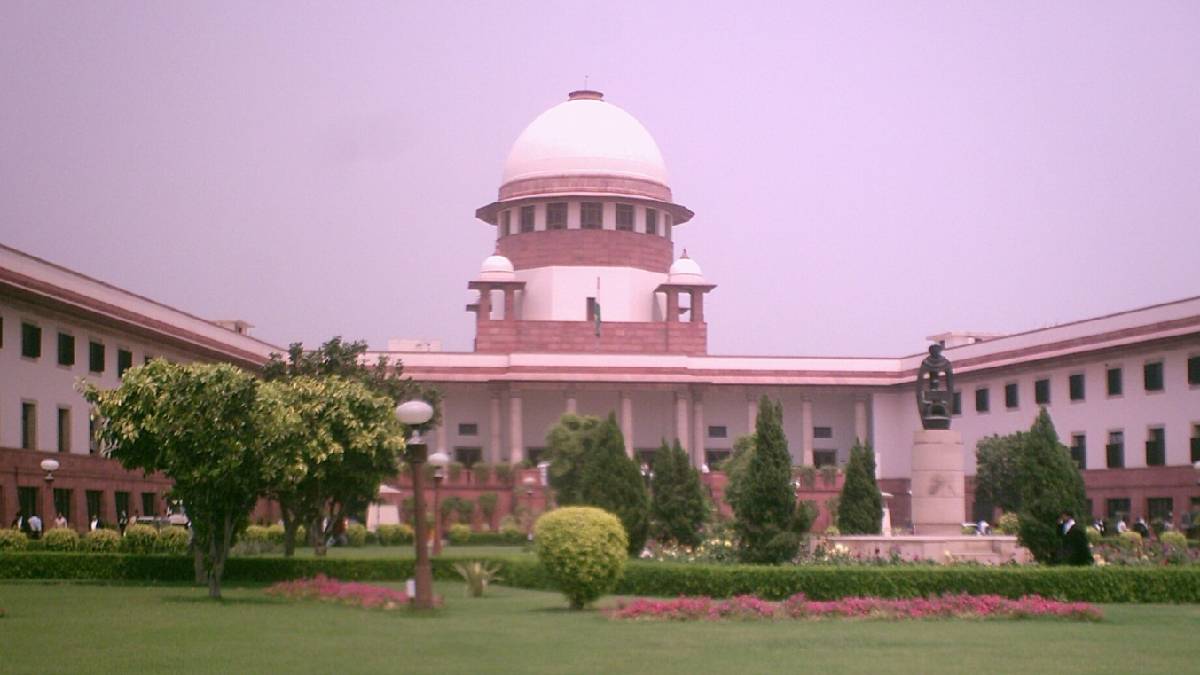
The Supreme Court on Tuesday postponed the hearing on petitions against the Election Commission of India's (ECI) decision on the Special Intensive Revision (SIR) of electoral rolls, and in a few weeks it will be held for a new hearing. The next hearing will be held on November 17 to allow the petitioners time to respond to the affidavit made by the poll body.
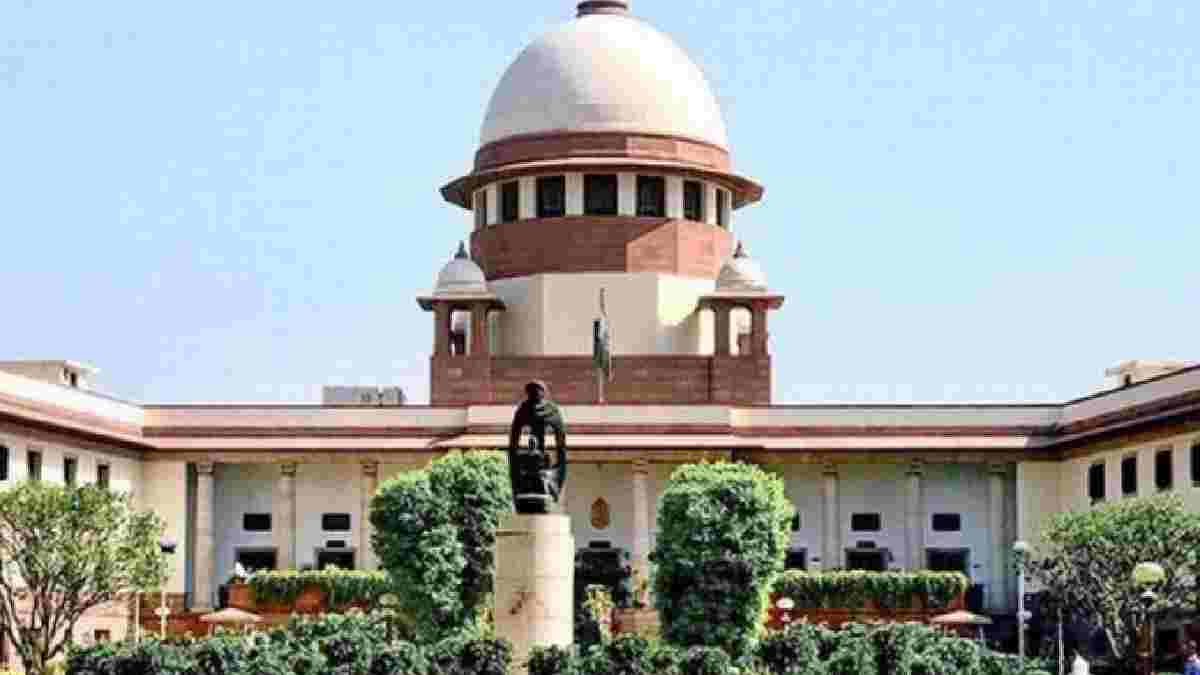
Congress leader Rahul Gandhi, AIMIM chief Asaduddin Owaisi and other opposition leaders have filed the petitions in a letter to the Election Commission on the voter-list revision exercise. The proceedings will look at legal and procedural issues of the SIR process and decisions made by the election authority.
The Supreme Court granted the petitioners time to prepare their reply after their counsel informed the bench that the affidavit of the Election Commission had been received only a day before the hearing. Senior Advocate Vikas Singh, appearing for the petitioners, requested 10 days to study the document and submit a detailed reply.
The court took note of the request and ordered more time and postponed further proceedings until after Diwali. The case was heard by a panel led by Chief Justice of India Surya Kant and Justices Joymalya Bagchi and V. Mohana.
Election Commission Defends SIR Decisions in Supreme Court
The Election Commission filed an affidavit on Monday defending its actions with respect to the Special Intensive Revision of electoral rolls. In its response, it said that all three of the orders relating to the SIR exercise were issued with the consensus of all members of the Commission.
The affidavit also dismissed claims that Chief Election Commissioner Gyanesh Kumar had made unilateral decisions on the revision process. The Election Commission described the claims made in the petitions as baseless and defended the procedure followed while issuing the relevant orders.
The submission is the poll body's formal reply to the concerns raised by the petitioners. The Election Commission has attempted to counter the arguments about the way in which the SIR-related orders were made.
The court will be able to consider the competing arguments after the petitioners write a response to the affidavit. The next stage of the proceedings could make some legal sense of the petitions.
Separate responses from Election Commissioners were awaited.
While the Election Commission has filed its affidavit, separate responses from Chief Election Commissioner Gyanesh Kumar and the two Election Commissioners, Dr SS Sandhu and Dr Vivek Joshi, are yet to be filed, according to the information provided in the case update.
The link between the Commission’s institutional response and the individual responses may become relevant. The petitioners now have to look at the affidavit and the Election Commission’s case before the Supreme Court.
The court has not concluded the matter and the adjournment should not be taken as a final judgment on the merits of the petitions. The legal issues raised by the opposition leaders are still being examined.
What happens next in the SIR case?
The next step is to file the petitioners’ response to the Election Commission’s affidavit. When the matter is heard in the Supreme Court on November 17, the court will take up the case and weigh the arguments of both sides.
The Special Intensive Revision process has drawn political and legal attention for the way in which electoral-roll revisions can affect voter registration, the accuracy of electoral records and the criteria for voter eligibility. The petitions have taken these concerns to the country’s highest court.
The hearing will be important to understanding how the court will assess the challenges to the Election Commission's decisions. The petitioners and the poll body will have time to prepare their respective submissions.
Now that the Supreme Court has decided to adjourn the hearing, the petitioners have the opportunity to respond directly to the affidavit, and the Election Commission is still defending its actions. So now we are going to begin again on November 17, when the court will take up the matter again. The next step for petitioners is to respond to the Election Commission affidavit. When the case returns to the Supreme Court on November 17th, the court will hear the case and consider both sides.
The Special Intensive Revision process has received political and legal attention because electoral roll changes can affect voter registration, the accuracy of electoral records and the processes used to determine voter eligibility. Such concerns have been brought to the country’s highest court by the petitions.
The court will need to hear how the challenges to the Election Commission’s decisions are going to be evaluated at the hearing. The petitioners and the poll body will have time to write their respective submissions.
The Supreme Court's decision to adjourn the hearing, though, will allow the petitioners to reply to the affidavit, and the Election Commission can continue to defend its actions. The court will hear the case on November 17.




Comments