
The Supreme Court has strongly criticised the Uttar Pradesh Police over what it described as a deeply flawed investigation into a kidnapping and murder case, after a man spent six years in custody as an undertrial before being acquitted. The court ordered the state government to pay him ₹6 lakh in compensation, observing that the investigation had put his life and liberty at risk.
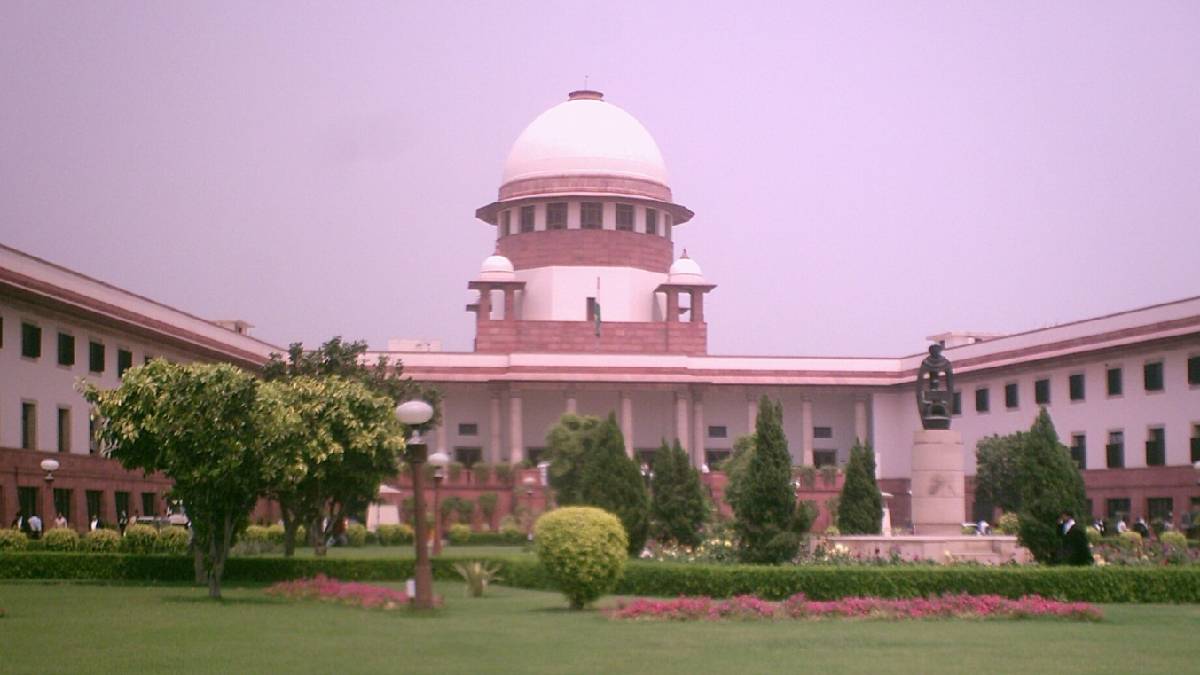
The ruling, delivered on October 26, 2026, by a bench of Justices J.B. Pardiwala and K. Vinod Chandran, highlighted serious gaps in the evidence and investigative procedures. The bench also said the state police needed to educate their officers on conducting proper investigations.
Six Years in Custody Before Acquittal
The case, registered in Agra in 2019, involved the disappearance and alleged murder of a man whose remains were reportedly found charred. The accused, identified in court proceedings as Arun, also known as Deepak, had been in custody since November 14, 2019.
After the Allahabad High Court rejected his bail plea, he approached the Supreme Court. On March 23, 2026, the top court directed the trial court to complete the proceedings within three months. The trial subsequently concluded with his acquittal after the prosecution failed to establish its case.
Following the acquittal, the Supreme Court examined the trial court's judgment and scrutinised the investigation, identifying several shortcomings that had allowed the case to proceed despite major evidentiary gaps.
Serious Gaps in the Investigation
The Supreme Court found that the prosecution had relied on circumstantial evidence without establishing the essential links connecting the accused to the alleged crime.
One of the major concerns was the failure to establish the identity of the charred remains. Investigators had not obtained a DNA sample from the missing man's father to determine whether the recovered bones belonged to the victim. The cause and time of death were also not established.
The court further noted that the motorcycle allegedly recovered during the investigation was never produced before the trial court, and its ownership was not established. The CCTV footage and call detail records relied upon by the prosecution also lacked the required certification under the applicable evidence law.
Other gaps included the absence of reliable evidence supporting an alleged ransom demand and the failure to adequately investigate claims about the purchase of petrol used to burn the body.
₹6 Lakh Compensation for Wrongful Incarceration
The Supreme Court directed the Uttar Pradesh government to pay ₹6 lakh to the acquitted man within one month. It further ordered that the amount would attract interest at 18% per annum if payment was delayed beyond the stipulated period.
The bench acknowledged that the compensation was modest compared with the six years the man had lost in custody. It also directed that a copy of the judgment be sent to the Director General of Police and the state's Home Secretary.
The ruling underscores the consequences of investigative failures and the responsibility of police and prosecution agencies to ensure a fair process. Their role, the court emphasised, is not simply to secure convictions but to uphold justice for victims, complainants and accused persons alike.



Comments