
A simple request for Diwali sweets has resulted in an unusual nightmare for a popular social media influencer in Madurai, Tamil Nadu. Veeramani, known for his humorous videos and local slang, is now the target of online pranksters because he posted his address and phone number in the hopes of receiving a box of Diwali sweets.
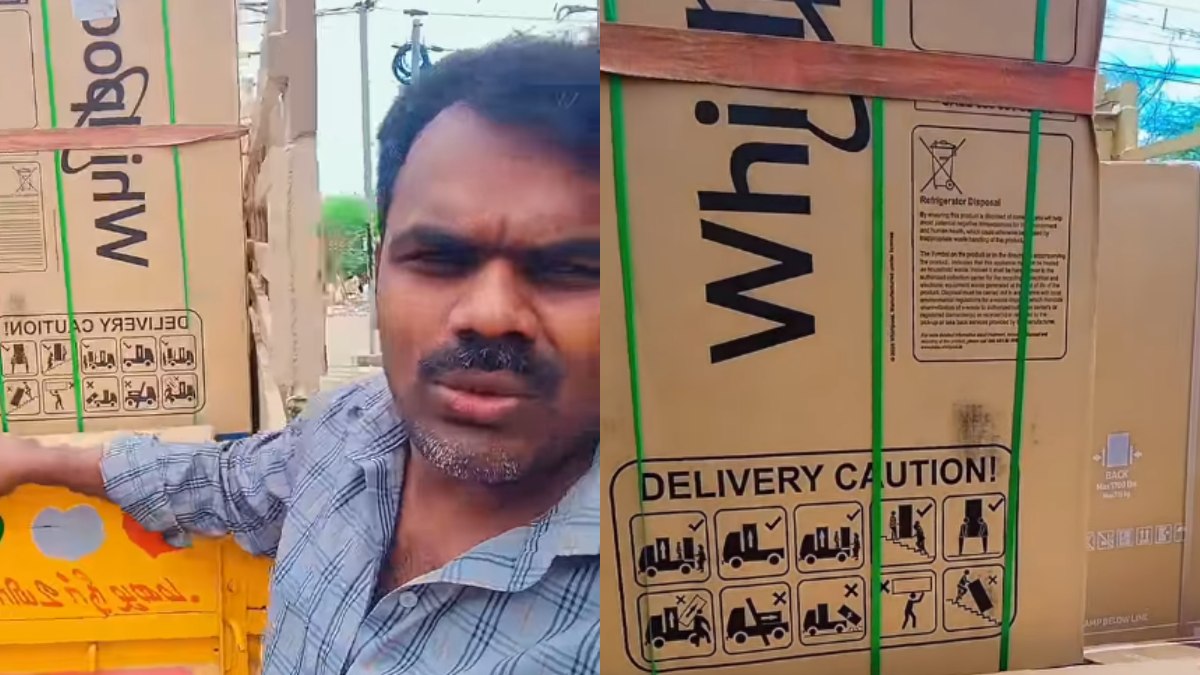
Instead of just sweets, he began receiving unwanted cash-on-delivery (COD) orders for expensive household appliances. He had to leave his home due to the stress, the report says.
How a request for Diwali Sweets turned into a problem
According to media reports released on October 12 and 13, 2026, Veeramani shared his address on social media ahead of Diwali and was hopeful that followers would send him sweets for the festival.
His previous experience with online generosity had made him ask for another opportunity. On one occasion, followers had donated around ₹6,000 for a trip to Kerala, which he later shared in social media videos.
However, the Diwali request yielded a very different response. While some followers sent sweets, others reportedly began to place unwanted orders in his name using his publicly disclosed details.
TVs, Refrigerators and Washing Machines arrive
The situation was further exacerbated when delivery executives from online shopping platforms such as Amazon and Flipkart arrived at his home with expensive products.
The unwanted orders included televisions, refrigerators, washing machines, and smartphones. One TV order was valued at ₹1.69 lakh according to sources.
Since the products were ordered on a cash-on-delivery basis, Veeramani was supposed to pay for the items before accepting them. However, he had not ordered the products and did not intend to purchase them.
The repeated deliveries made it difficult for the influencer and delivery workers who had to go to his address to deliver orders he had never asked for.
The Influencer Appeals to Followers to Stop the Pranks
As the situation continued, Veeramani apparently posted videos appealing to followers and pranksters to stop placing orders.
He expressed his frustration and asked for consideration of the inconvenience to delivery executives. He explained that he didn’t have the money to pay for the unwanted items and that the repeated deliveries were difficult to manage.
In addition, reports also said that food delivery executives from platforms like Swiggy and Zomato began arriving with orders he had not placed.
Some pranksters circulated screenshots claiming that unusually expensive items, like a military tank supposedly worth ₹70 crore, had been ordered. These are not actual deliveries, as the reports describe these extraordinary items as prank-related claims or screenshots.
Why Veeramani left his home?
The repeated deliveries, phone calls, and unwanted attention took a toll on Veeramani. Neighbours told journalists that his house was locked and that he had left the residence after the incident.
He also faced further unwanted attention after his contact details were circulated in connection with other online activities, like kidney donation inquiries.
The incident highlights the risk of publicly sharing personal information that can be used for harassment. A request intended to bring a little festive happiness instead exposed the influencer to repeated unwanted deliveries and distress.
What This incident teaches Social Media Users
The episode is a reminder that online pranks can have real-world consequences. Placing fake orders in another person’s name can waste delivery workers’ time, disrupt businesses, and cause unnecessary stress.
Social media users should avoid sharing or misusing personal information without permission. E-commerce platforms and delivery services also need more robust methods of identifying suspicious orders and reducing repeat misuse.
For Veeramani, what started as a request for a box of Diwali sweets turned into an ordeal of expensive COD deliveries. It’s an example of why online humour should never come at the expense of another person's privacy, time, and peace of mind.





Comments