
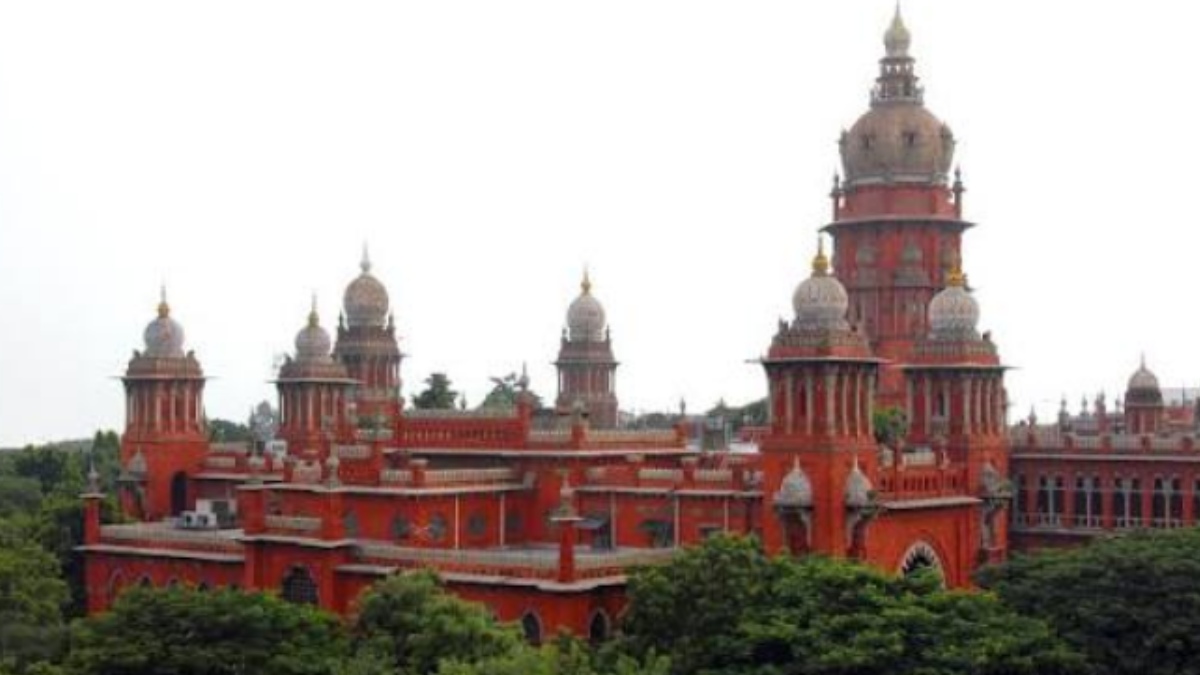
The Madras High Court has asked the Tamil Nadu government for clarification on allegations of harassment against TVK MLA C Arul Vignesh and Kallakurichi District Collector J E Padmaja. Controversy grew after state government told court that neither Chief Secretary nor police had received formal complaint from Collector but reports later emerged that she approached district police instead.
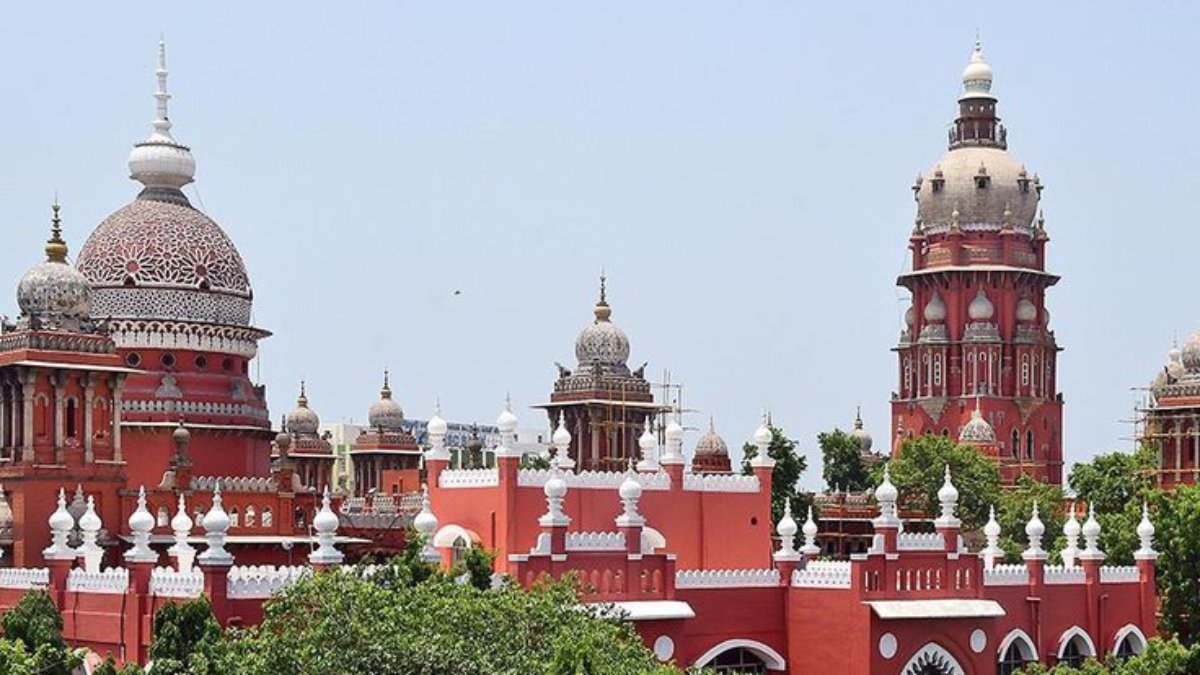
The matter came up before Justice V Lakshminarayanan when a petition was heard seeking directions for registration of an FIR and impartial investigation into the allegations.
What did the Madras High Court ask The Tamil Nadu Government?
During the November 23 hearing, the court asked whether material was available to prove that the MLA had sent inappropriate and sexually coloured WhatsApp messages to the woman IAS officer.


The petition was filed by advocate R Thrishuli who sought directions to DGP and Kallakurichi SP to register a case and investigate the matter.
The petitioner said that Collector had reportedly filed a complaint with Chief Secretary but no criminal action was taken thereafter. But State Public Prosecutor R John Sathyan told the court that neither Chief Secretary nor police had received any complaint from the officer concerned.
Justice Lakshminarayanan asked how the authorities could be directed to take action without a complaint or evidence of action being taken; he also asked counsel for petitioner whether material supporting allegations should not be produced rather than relying on media reports.


The judge directed the State Public Prosecutor to get clarification directly from Collector and Chief Secretary whether any complaint or administrative representation had been made. The matter was adjourned to November 24.
Kallakurichi Collector Reportedly Files Formal Complaint
After the court proceedings came another development. Reports published on November 24 said Kallakurichi District Collector submitted formal harassment complaint against MLA Arul Vignesh to district Superintendent of Police on Monday afternoon.
People familiar with the complaint reportedly said that the officer accused the legislator of making inappropriate advances and sending unwelcome messages.
Reports also said the police had registered a case under Tamil Nadu Prohibition of Harassment of Women Act.
The complaint was filed hours after the state government told the High Court that no complaint had been received from the Collector. The sequence of events has revived interest in how the allegations were handled and how the state administration responded to it.
What Are The Allegations Against TVK MLA Arul Vignesh?
The controversy erupted when it was alleged that Arul Vignesh had sent sexually explicit WhatsApp messages to Kallakurichi District Collector.
Allegations also included claims that MLA went to the officer’s official residence drunk and behaved inappropriately.
The legislator denied the accusations and called them baseless and politically motivated. The allegations are still under investigation so they cannot be seen as final conclusions.
National Commission For Women Seeks Inquiry
The National Commission for Women (NCW) has also taken suo motu cognizance of the controversy and sought an impartial inquiry from Tamil Nadu Director General of Police.
The commission has asked for the representations reportedly made by Collector to be looked into, digital evidence relevant to it preserved and an action taken report submitted.
The matter also got attention when Madras High Court judge Justice Victoria Gowri referred to the allegations during a workplace sexual harassment awareness programme. She asked whether such conduct could be termed as workplace harassment and how the state police responded to it.
Political Reactions And Questions Over Accountability
The case has stirred political reactions as opposition leaders questioned the government’s response to allegations against a ruling party legislator.
Chief Minister C Joseph Vijay’s response has also come under attack. Party sources said he had discussed the matter with Arul Vignesh and said action would follow if allegations were proved through an investigation.
The case now poses questions about protection of women public servants, government authorities’ responsibility to respond to complaints and an impartial investigation.
The Madras High Court proceedings and the reported complaint filed by the Collector have become important developments in the case. The investigation will establish facts and whether further action is needed or not.

Comments