
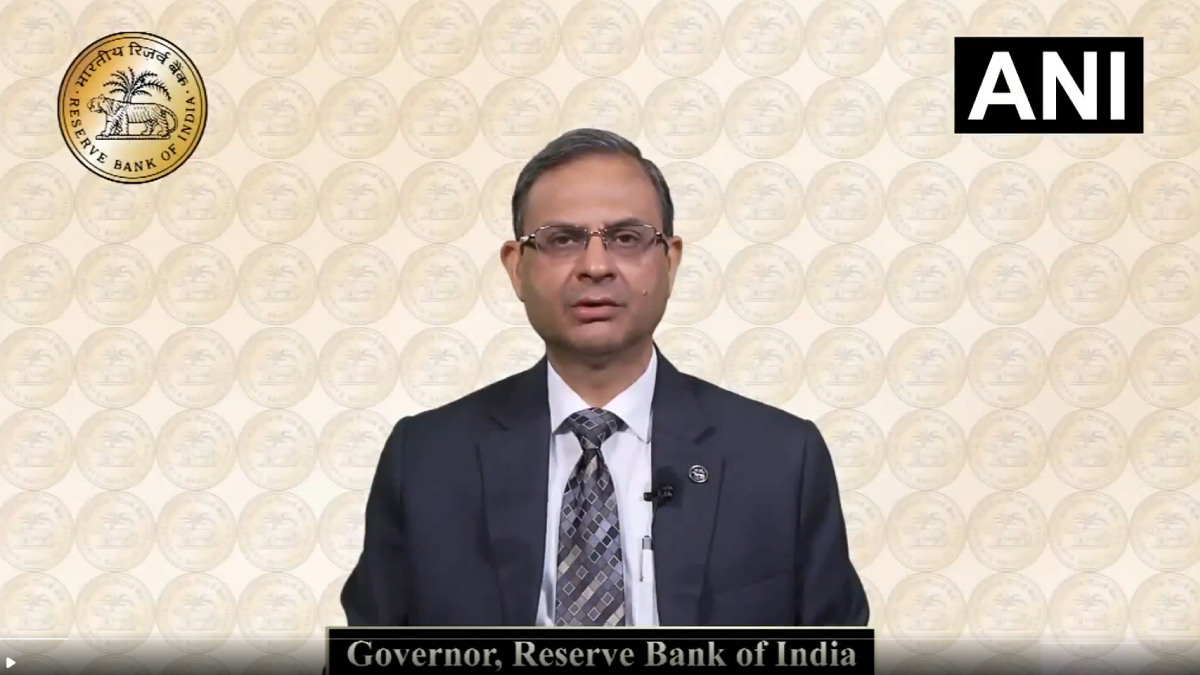
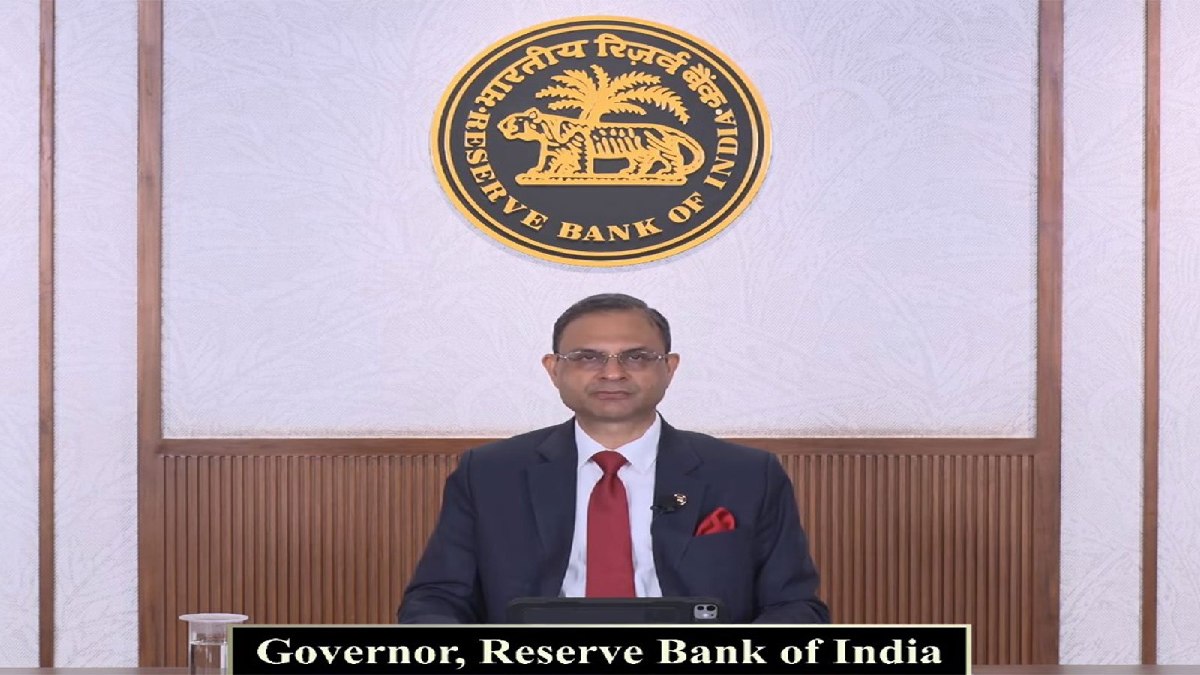
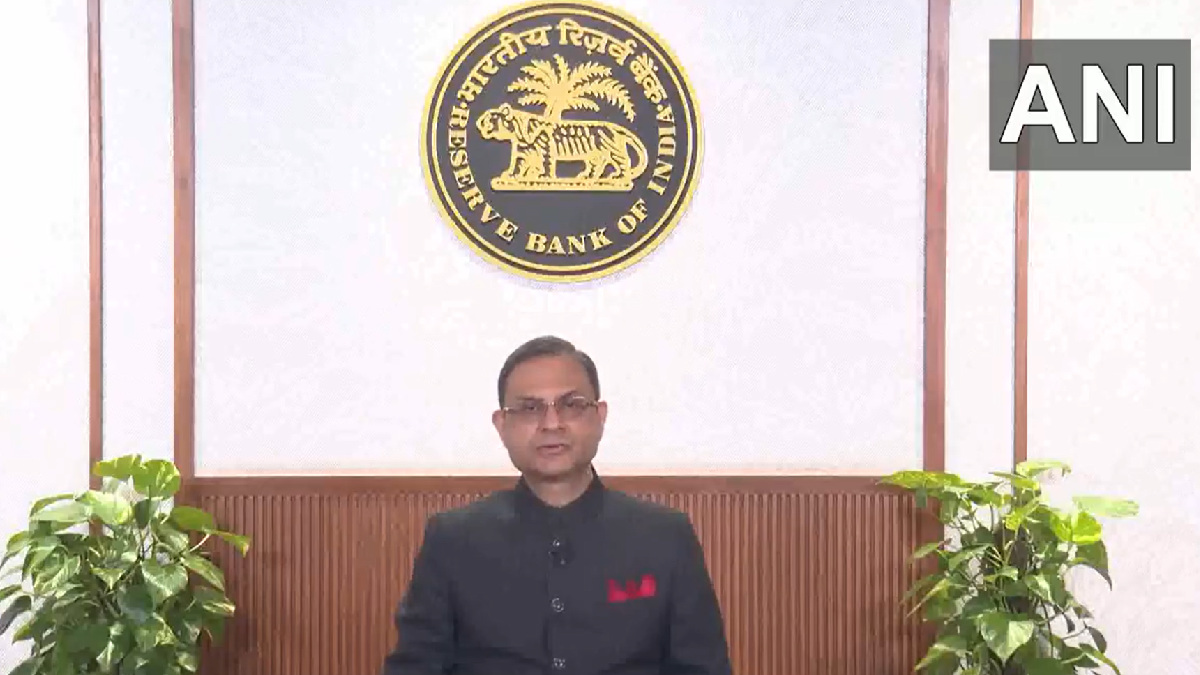
A radical move that could upend the global finance scene, the Reserve Bank of India (RBI) has proposed to connect the Central Bank Digital Currencies (CBDCs) of BRICS nations. The scheme stealthily being floated by the RBI today wants to provide a seamless way of cross-border trade and tourism payments that will allow it to sidestep the traditional strong currency of the U.S. dollar.

The RBI’s Bold Proposal
The Reserve Bank of India is suggesting that the authorities put linkage of BRICS digital currencies on the agenda for the 2026 BRICS Summit to be held later this year. The suggestion is to join up the official CBDCs of member countries Brazil, Russia, India, China and South Africa in order to facilitate more efficient, cheaper, and direct international settlements.
India’s e-rupee has since reached over 7 million consumers since being piloted in 2022. With the e-rupee aligned with digital yuan, digital ruble and others, BRICS members could settle invoices without the "correspondent banking” headache (often a sign of inadequacy) that comes in dollar-focused setups like SWIFT.

Why Is India Pushing This Now?
The timing of this proposal is heavily attuned to the prevailing geopolitical landscape:
- Pressure of De-dollarization: The RBI insists that this is a technical advancement of efficiency, not an ideological war against the dollar, but the strategic advantage is obvious. It gives a “sanction-proof” rail for commerce.
- Rising Trade Frictions: New world trade conflicts and American tariff threats have brought emerging economies looking for ways to defend their financial systems against outside pressure.
- Maximisation of Tourism: It would enable travelers in BRICS countries to settle for services on their home digital currencies, with tourism much more affordable and less reliant on exchange rate instability.
Overcoming the "Rupee Trap"
This digital link is also targeted at practical trade issues. In the past, India and Russia could not trade in local currencies because of large rupee balances that Russia had built up in rupee. It wasn't free money to spend. By a linked CBDC framework and bilateral foreign exchange swap arrangements, net trade positions may be settled either on a weekly or monthly basis, thus preventing such an imbalance.
The Road Ahead: Prospects and Challenges
The plan is riddled with challenges, though. Analysts point out that:
- Technological sovereignty: Not all member nations are ready to accept the technology platforms offered by other countries.
- Governance: Creating a single standard for decentralized digital payments needs regulatory agreement at the highest levels.
- U.S. Reaction: The United States has previously warned against attempts to bypass the dollar, with the current administration calling such moves “anti-American.”







Comments