
In a significant move to support economic growth and boost consumer demand, the Reserve Bank of India (RBI) has announced a 25 basis point (bps) cut in the policy repo rate, bringing it down to 5.25%. The decision was taken unanimously by the Monetary Policy Committee (MPC) following its three-day meeting.
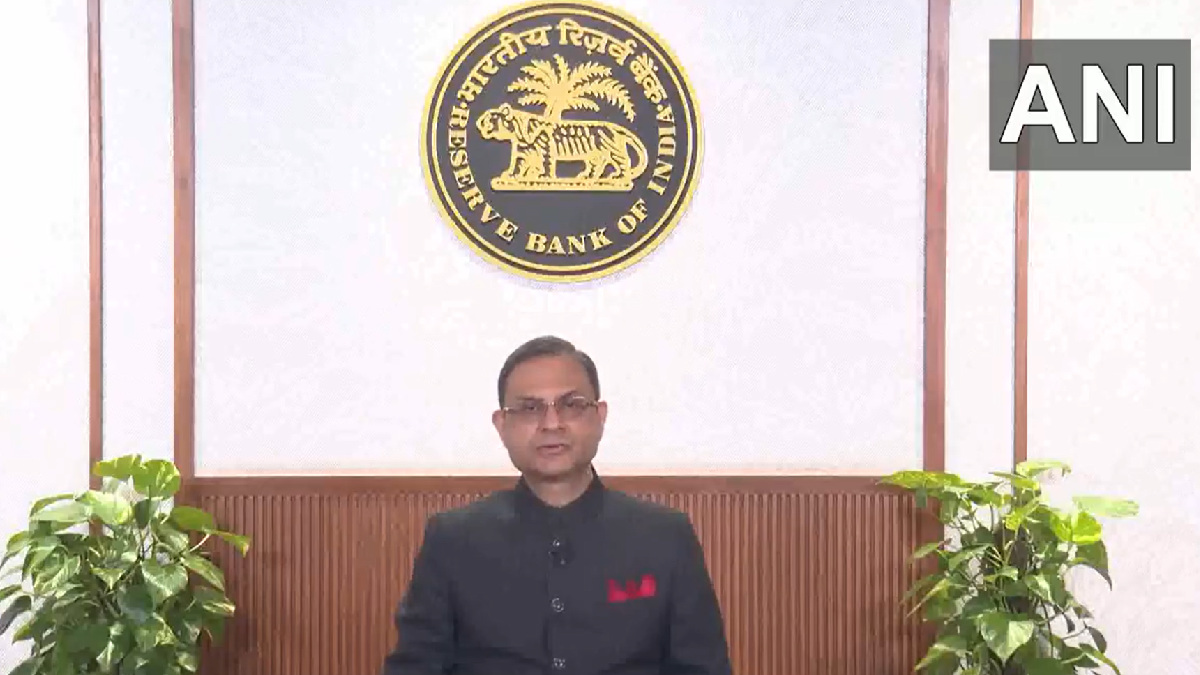
This latest reduction, which is part of a cumulative easing cycle this year, is expected to make loans—particularly home, auto, and personal loans—cheaper for consumers, providing much-needed relief to borrowers.
The Rationale Behind the Cut
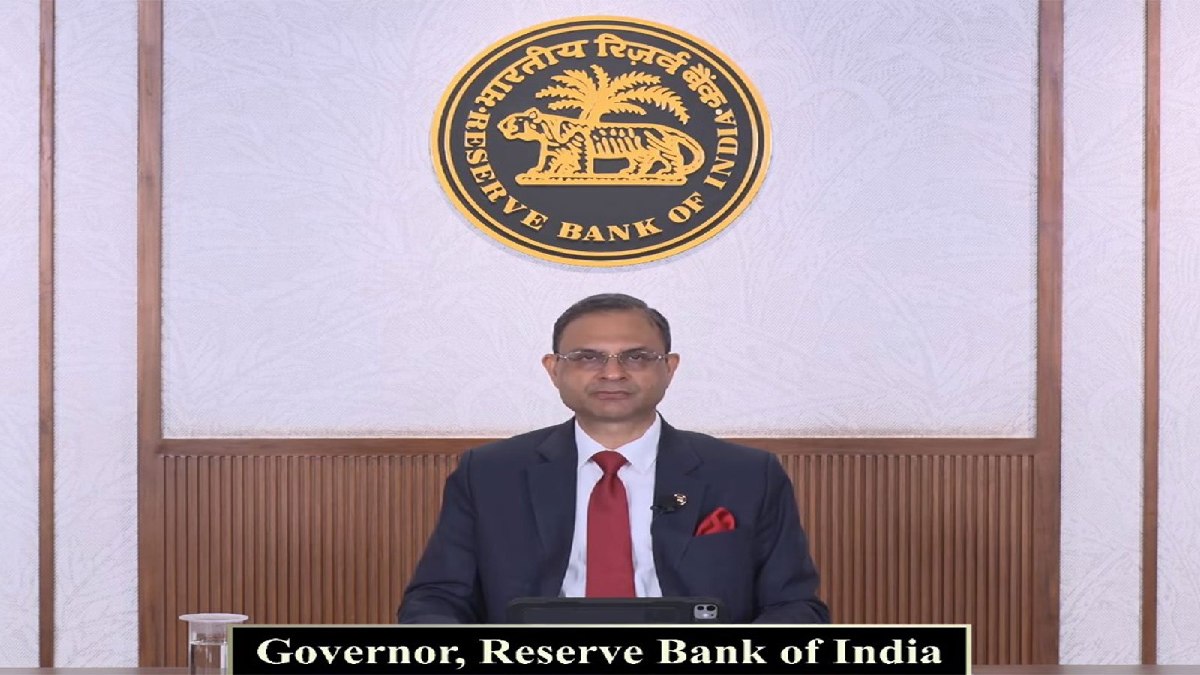
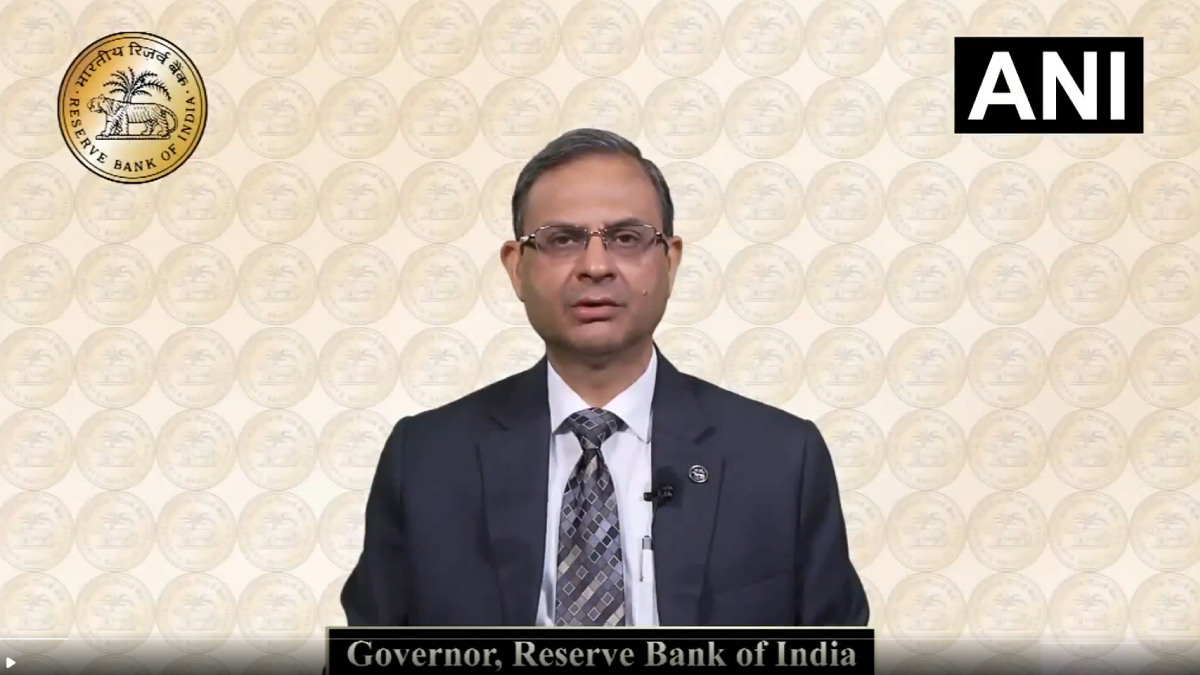
The MPC's decision to cut rates comes amidst a favorable macroeconomic environment, which RBI Governor Sanjay Malhotra characterized as a "rare goldilocks period" for the Indian economy:
- Record-Low Inflation: The primary driver for the rate cut is the sharp deceleration in retail inflation, which fell to a historic low of 0.25% in October. The RBI has revised its CPI inflation projection for the current financial year (FY26) downward to 2%.
- Robust GDP Growth: Despite global headwinds, the Indian economy has maintained strong momentum, with the GDP expanding at an impressive 8.2% in the July-September 2025 quarter. The RBI has subsequently raised its GDP growth forecast for FY26 to 7.3%.
- Policy Space: The combination of strong growth and low inflation provided the central bank with sufficient policy space to support growth through cheaper borrowing costs.
What This Means for Borrowers
The reduction in the repo rate directly impacts the cost of borrowing for commercial banks, which, in turn, is expected to be passed on to the final consumer:
- Lower EMIs: Borrowers with floating rate loans, especially those linked to the External Benchmark Lending Rate (EBLR) or the Repo Rate, will see an immediate or quick reduction in their Equated Monthly Instalments (EMIs).
- Affordability Boost: The cut is a significant positive for the real estate sector. Cheaper home loans are expected to improve housing affordability and convert "fence-sitters" into buyers, particularly in the affordable and mid-income segments.
- Support for Credit Demand: The reduced lending rates are designed to stimulate overall credit demand and investment activity across the economy.
The RBI has also maintained a neutral policy stance, keeping the door open for further calibrated easing if macroeconomic conditions permit, though a strong growth outlook suggests the central bank may proceed with caution.










Comments