
New Delhi: India is tightening its grip on cash transactions and sending a clear signal to people and businesses alike: the days of vast amounts of cash transactions are a bit more secure— or just over. No way to breach what it is going to take to be stricter enforcement to see action through 2026.
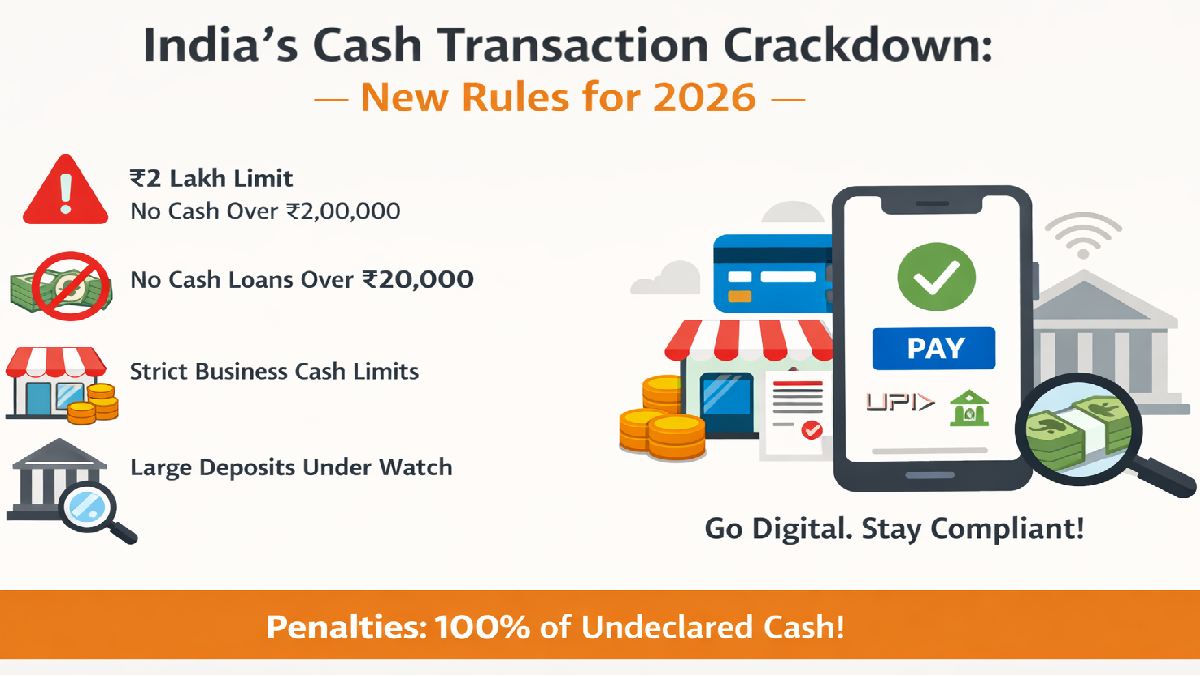
₹2 Lakh Limit: The Biggest Red Flag
The one most important rule is the ₹2 lakh cash limit. You cannot accept ₹200,000 or more in cash from one person in one day or for a single transaction. Even splitting payments doesn't work.
The penalty: A huge 100% of the money received. It’s now one of the strictest cash transaction laws worldwide.

Cash Loans above ₹20,000 Are Banned
All loans above ₹20,000 in cash are strictly forbidden. This is true for friends, family, and business: these transactions must go through the proper banking system.
Businesses Face Tighter Controls
At businesses, cash expenses are heavily restricted. Cash payments above ₹10,000 per day per person cannot be deductible as a tax benefit. We'll be paying higher taxes with greater taxable income and liability.
Large Cash Deposits Under Watch
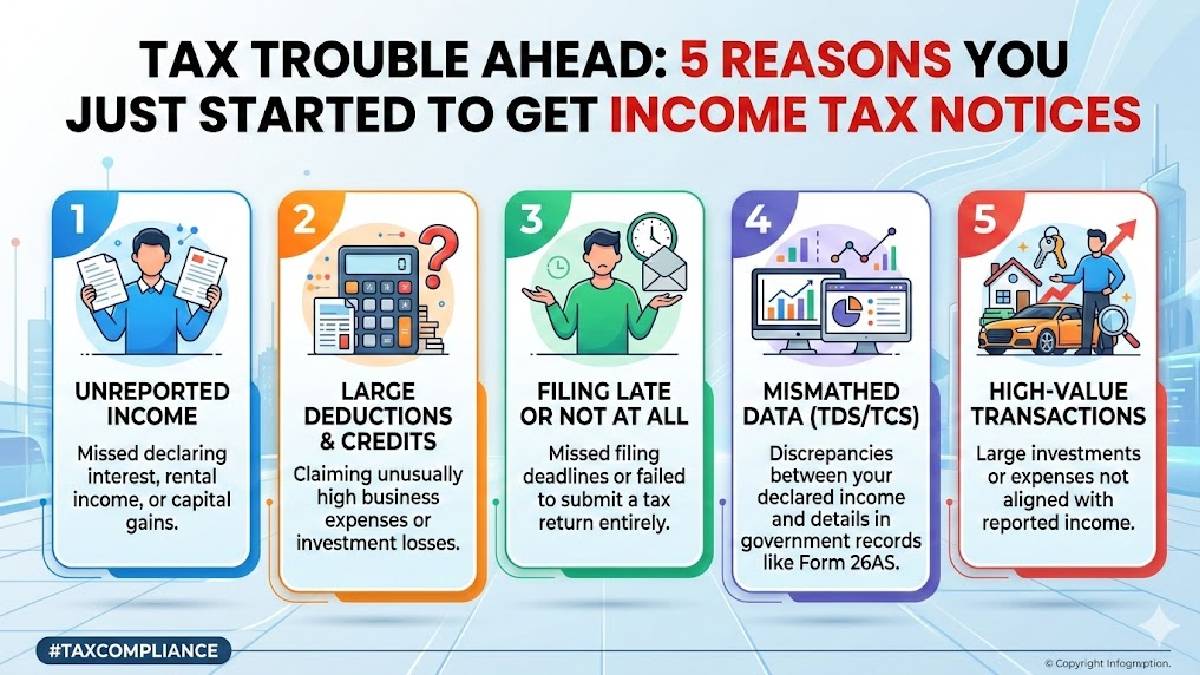
Investing large amounts of cash in banks can trigger alerts. When your cash deposits exceed ₹10 lakh, it may attract attention from tax authorities. If your declared income does not match your deposits, you could receive a notice.


Digital payments are the direction of the business; for now in the future.
The government is promoting digital transactions (UPI, bank transfers, cheques) as well as banking transfers at the bank level. These systems help to maintain a trace which leads to clear audit records, reducing penalties.
Cash is still legal— but with growing risks. The safest mode is to limit the use of cash, to keep proper records and get to digital payments.
In the current financial environment, one mistake in cash transactions can result in profound financial impact.







Comments