
This Union Budget 2026, presented by Finance Minister Nirmala Sitharaman on February 1, 2026, aims to include tax certainty, ease in its execution and targeted sectoral growth. The budget, with a focus on investment-boosting, strengthening domestic manufacturing as well as startups and MSMEs, is expected to speed up India’s economic growth while keeping fiscal control.
Direct Tax Measures
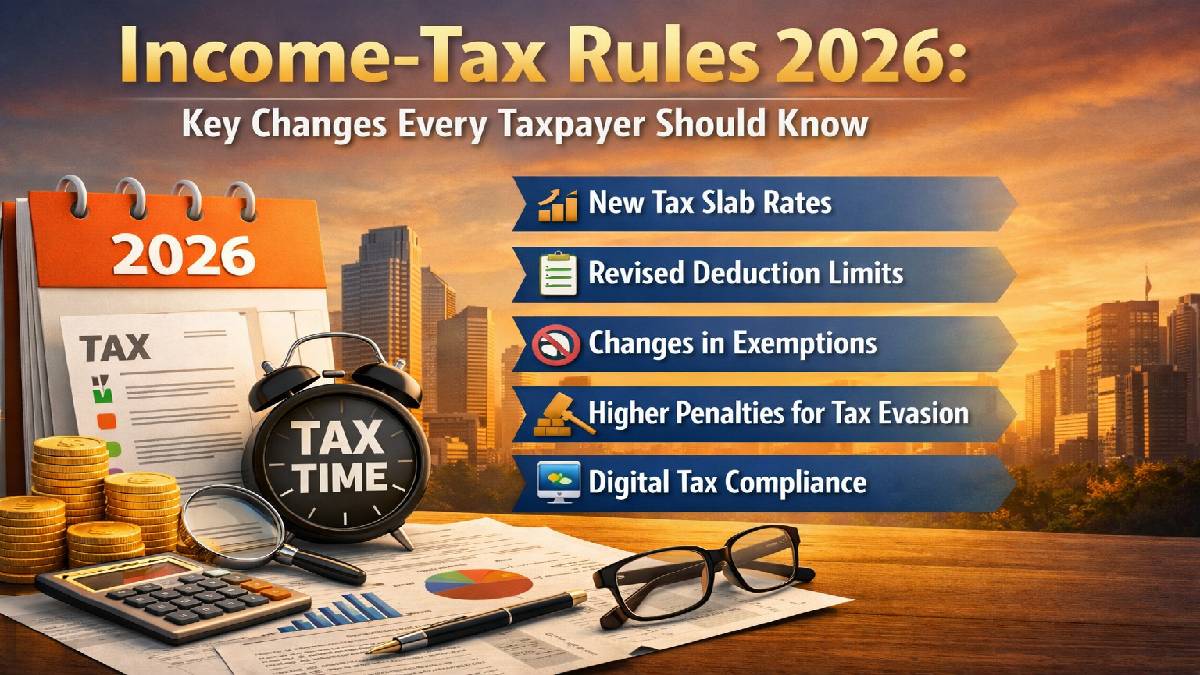
Taxation of Buybacks: The sale of shares on which buybacks are bought will now be subject to an additional buyback tax of 22% on corporate promoters and 30% on non-corporate promoters, which is capital gains on their shares. That would also mean that raising other funds from shareholders would be cheaper without adding as much tax.
MAT (Minimum Alternate Tax): The MAT will become a final tax from April 1, 2026, with a reduction to 14%. Businesses can still set off accumulated MAT credits, making compliance with corporate taxes easier.

Tax Holiday for Foreign Companies: Foreign companies providing cloud services from Indian data centers will benefit from a tax exemption until March 2047, enhancing data infrastructure investment and supporting India’s technology ecosystem.
Analysis: The measures make things clearer for companies while also encouraging investment in new high tech infrastructure to include fair taxation for promoters.
Indirect Tax Reforms
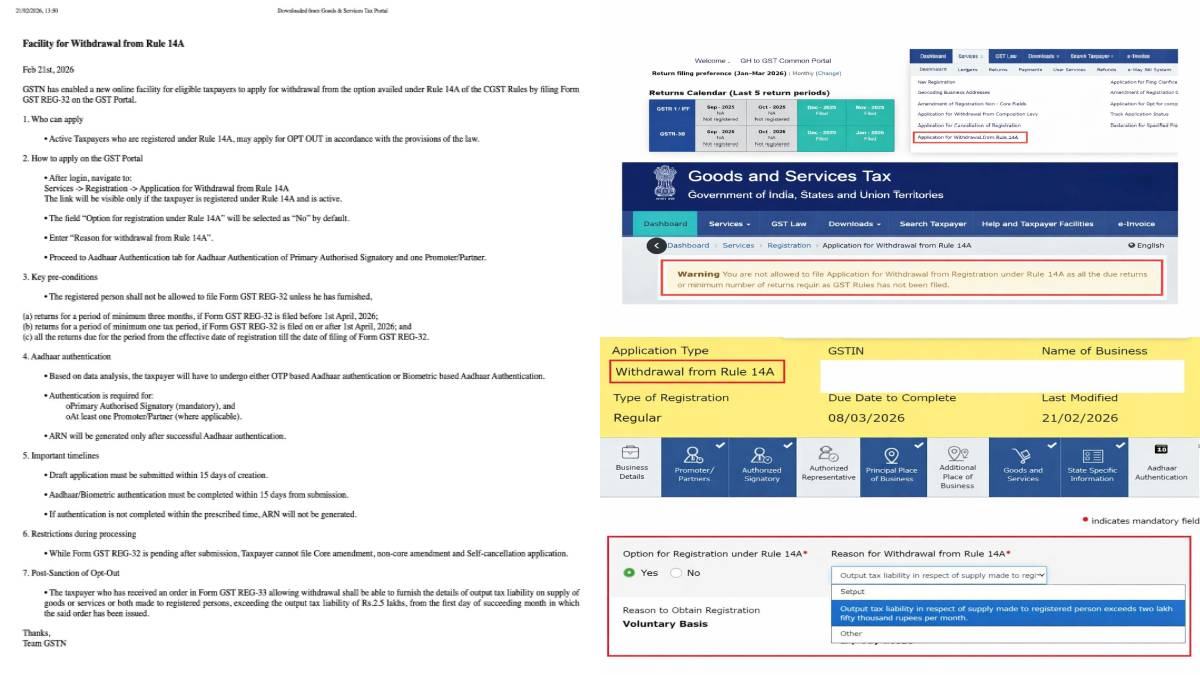
GST Reforms: GST changes include structural tightening but not changes in rates, as it will amend the provisions to strengthen valuation, credit adjustments, refunds and appellate mechanisms.

Customs Duty Rationalization: The customs duty rationalization will draw down a proportion of the exemption measures for items made in the country or low import, giving impetus to the domestic industry and facilitating the rationalization of the exemption.
The paper argues “Indirect Tax Changes” to concentrate on compliance and domestic manufacture, to establish a more transparent system of taxes that does not overload consumers.
Sectoral Initiatives
Manufacturing: The spending plan focuses on seven key areas such as biopharma, semiconductors, electronics parts, rare earths etc and is conducive to India’s “Make in India 2.0” ambition.
Infrastructure: Capital spending of the public will increase to ₹12.2 lakh crore in 2026-27, for connectivity and transportation, to be used for long-term economic development.
Textiles: The Mahatma Gandhi Gram Swaraj Yojana is set to develop khadi and handloom industry and provide jobs for rural people and traditional crafts.
Analysis: A budget addressing inclusive development and sustainable growth by balancing the growth in the high-tech sector with low-tech industries.
Other Key Proposals
Foreign Assets Disclosure Scheme: Small taxpayers may voluntarily disclose undisclosed foreign assets or income over a 6-month period to reduce a potential risk of tax evasion and litigation.
Support for Start-ups and MSMEs: The government will establish a ₹10,000 crore SME Growth Fund for high-potential MSMEs and “Champion SMEs” to promote entrepreneurism/innovation initiatives.
Analysis: For it is through the initiatives that local SMEs are built up, local businesses are inspired to stay in compliance, and with cash inflows of capital are made available for growing enterprises.
Union Budget 2026 focuses on simplification, incentives and compliance reform, with a special emphasis on manufacturing. With measures to bring investment-oriented policies in line with the needs of the rural and traditional sectors--and by doing so, it aims to facilitate sustainable and inclusive economic growth while positioning India even better for future global success.







Comments