
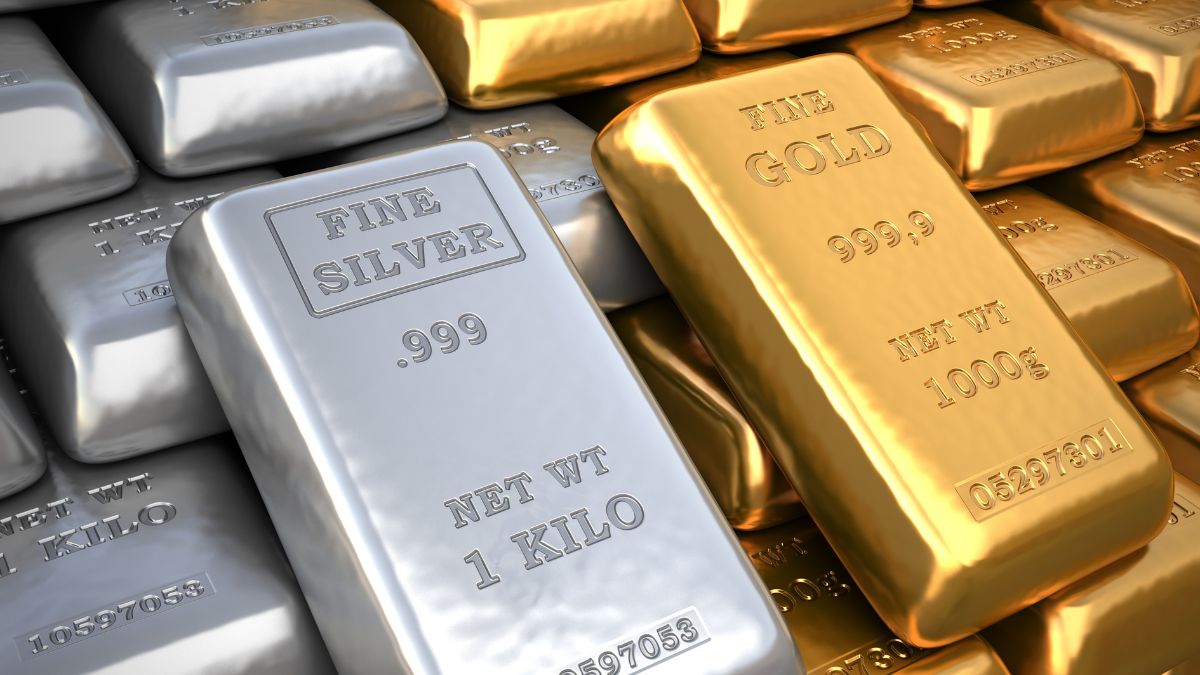
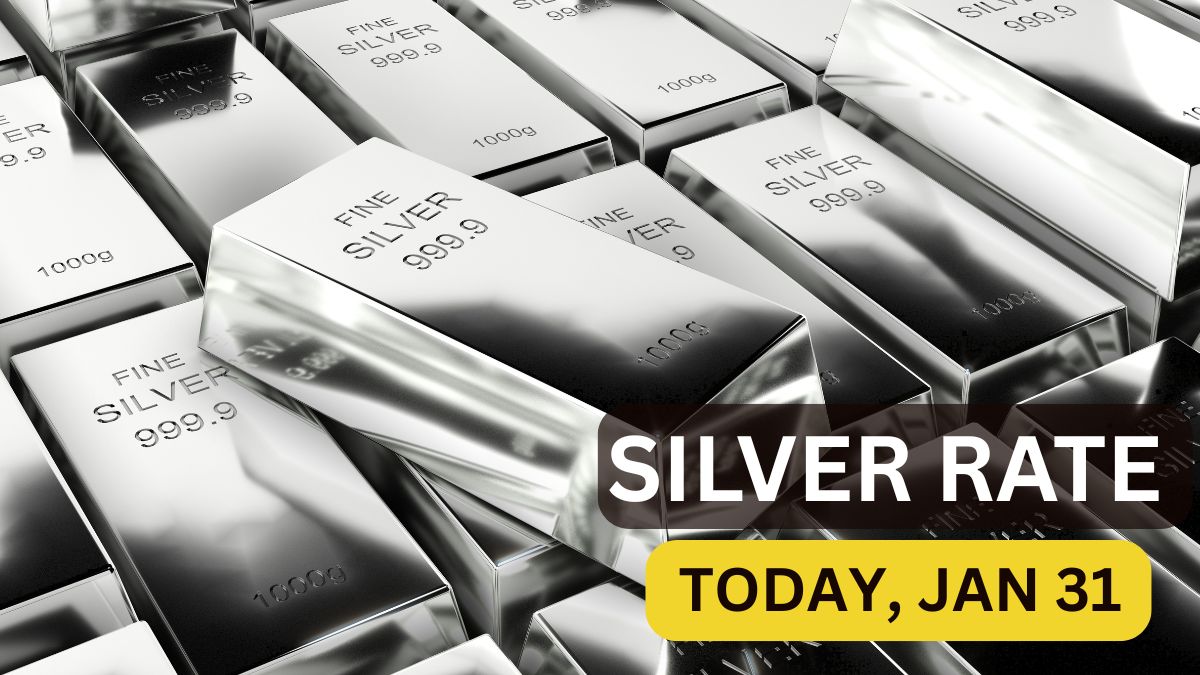
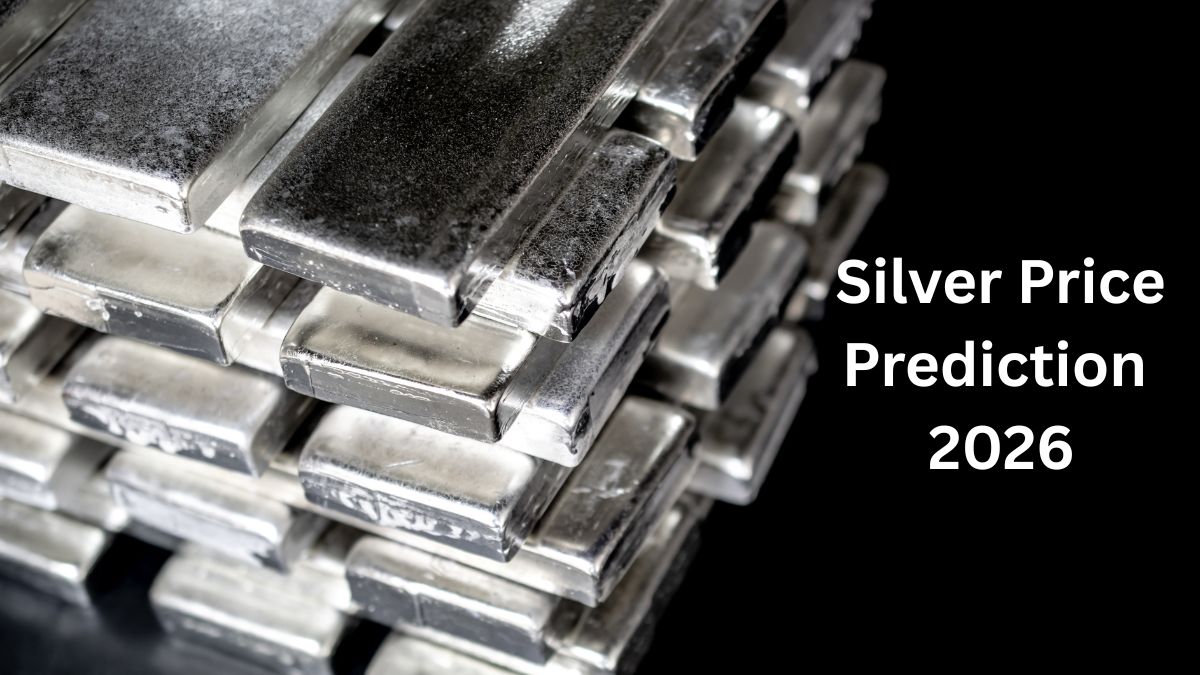
On the other hand, the Central Government has imposed more stringent laws regulating the import of high-purity silver bars to India. The new government will still permit 99.9% pure silver bars to enter India, but under such new rules, a special license will be issued, thus making the precious metals industry accountable for its actions.
The new import policy is designed to rein in silver imports and promote transparency while restricting the abuse of duty structures and reducing access to trade through them, Statecraft said. It will affect bullion traders, jewellery manufacturers and import companies, which rely largely on silver imports for their livelihoods.
What Has Changed?
Silver bars with 99.9 purity in imports after recent recommendations will no longer be open for unrestricted imports, as this article explains. Importers must seek approval from the relevant authorities or obtain a special permit for the import of these products into the country.
It is said that this action has followed an accelerated ramp-up in silver imports that has been taking place in recent months. They are looking to manage precious metal travel more closely, given fears of trade imbalance and misuse in some industries, authorities said.
Impact on the Bullion and Jewellery Industry
India itself is among the largest consumers of silver in the world, from jewellery to investment products, industrial products, solar manufacture and electronics. Analysts, meanwhile, caution about potential ‘time lags’ in silver imports and higher compliance costs for traders under those new rules.
Importers can expect delays in applications and documentation requirements in licensing procedures. But others said the move could also be a means of formalising the market as a whole in the longer term and making it more accountable. Arrangements and mechanisms of compliance are widely assumed to make organised players adjust more smoothly than smaller traders.
Why silver demand is on the rise
India and its recent events have been attributed to silver demand growth primarily due to various reasons: increased investment in precious metals, for instance. Greater availability of solar panels and green materials. Growing jewellery demand. Industrial and electronic production needs. Globally, the price of silver is sensitive; studying import trends and their impact on the economy has big policy implications.
Regulation is at the Centre of Government
The latest decision is part of the government’s broader step towards stronger import controls in a sensitive sector. Similar measures were subsequently adopted for gold and other precious commodities to strengthen monitoring and reduce smuggling. The ministry has said that genuine businesses and licensed importers are only allowed to conduct business as usual under the adjusted license if they comply.
Industry Response
Those operating as bullion trade societies and traders would like to understand more about the proposed schedule, when this can be done, the criteria and process for obtaining licenses, regulations, as well as compliance standards from the government and bullion trade associations.
Others worry that with greater compliance rules comes a higher cost of operation; some view it as a stabilisation for this sector, and as reducing the number of unregulated imports into and out of its boundaries. Traders, jewellers, and investors are all likely to take note of such developments as the silver market adapts to the legislative landscape.







Comments