
In a push to modernize taxation for the times of the internet-powered era, the Indian government has published tougher rules for foreign digital companies and professionals, while also simplifying tax filing under the Income Tax Act 2025. The changes are about compliance, minimizing disputes and putting India’s burgeoning digital economy in the limelight. India has already created a digital frontier for millions of digital businesses.

Under the new rules, foreign digital entities will be liable to pay taxes in India if transactions exceed ₹2 crore and they have at least 300,000 users in the country. Software and data downloads are explicitly listed as part of the tax net, so that digital business revenues are properly logged.
Doctors, lawyers, engineers, and consultants in various professional areas of service must now maintain electronic books of account that are accessible in India, with daily backups stored on servers in India. Digital books of accounts, therefore, must be backed up in their country and available under the aegis of India. And the rules formally incorporate Central Bank Digital Currency (CBDC) into the scope of payment as a recognized electronic payment method, in line with the Indian approach towards digital finance.


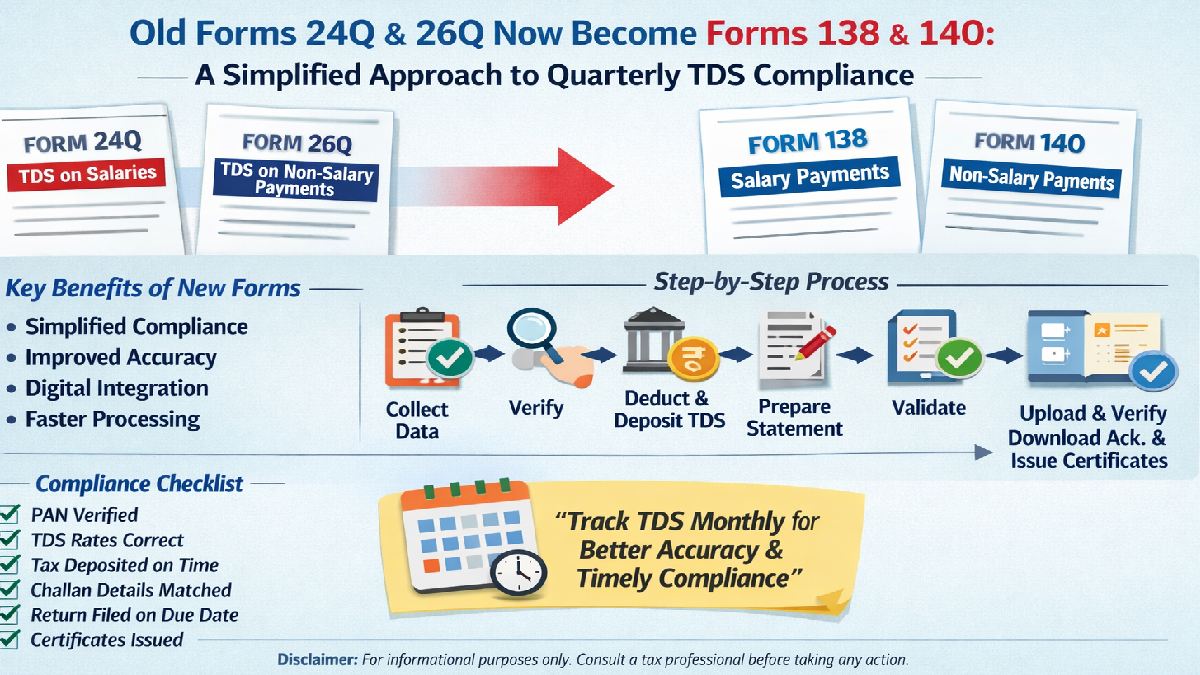
In addition to tougher compliance measures, the Income Tax Department has sought to simplify the filing process. The number of rules overall has been reduced from 511 to 333, and forms from 399 to 190. This is to help in completing the tax process faster, easier, and less prone to errors in the form of pre-filled forms with automated reconciliation, and standardization of information.
Claims for Foreign Tax Credit are now to require accountant-verified documentation and also to enhance transparency and verification of outflow of tax from abroad.
We also expect the Central Board of Direct Taxes (CBDT) to keep interacting with industry stakeholders before finalizing the rules. Though the reforms will serve to modernize India’s tax system and bring much needed clarity to digital businesses, it also raises issues related to data privacy and security since India-based record storage is mandatory.


If these updates were significant, it also means that India is showing that it wants to implement fair taxation in the digital economy, by reducing the challenges of compliance for taxpayers. The changes mark a big move towards balancing the government’s interest in tax revenues with the ever-changing requirements of digital businesses operating in India.










Comments