India is all about diversity and it makes us think about the country. And the nation has people from diverse faiths, cultures and backgrounds in different cities and towns. This is a fusion of traditions that tends to bring beauty and power, although small ways of action can breed misunderstanding. A similar incident was in Mumbai, and how people care about that national symbol but also national identity. How is it possible for people not to respect that one another can feel, for a good example?
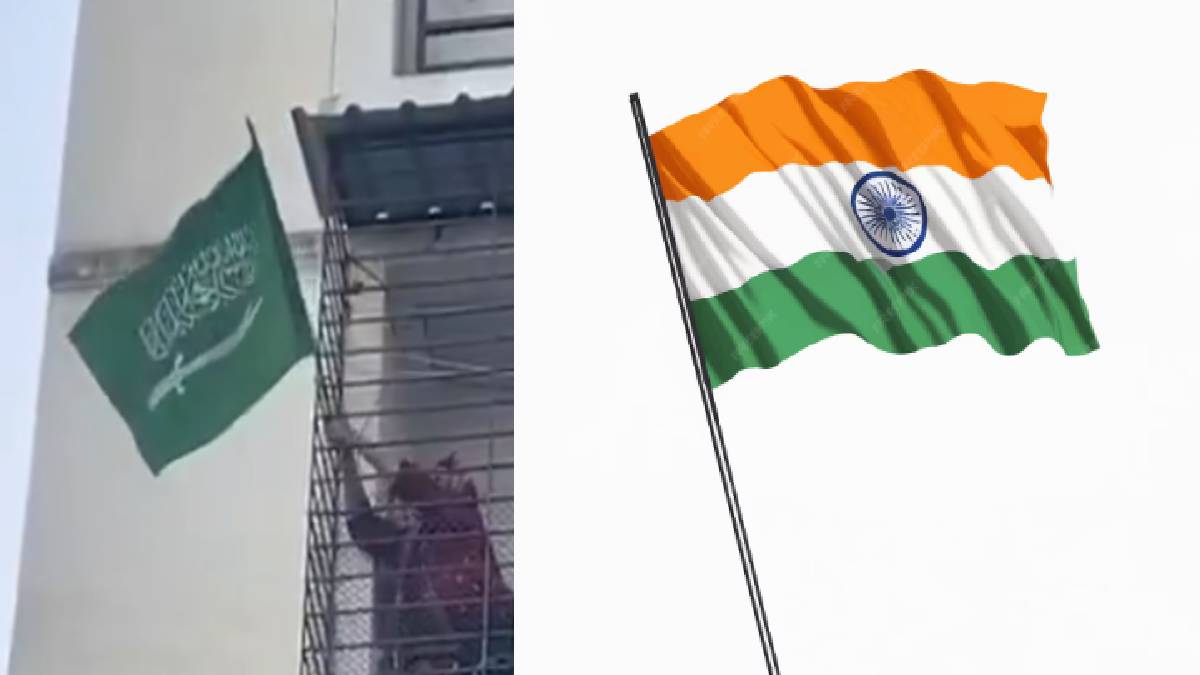
The green flag on the man’s balcony in a residential building in Mumbai. The flag was the national flag of Saudi Arabia with Islamic symbols and Arabic text and most people did not notice it. The flag attracted the attention of some Hindu residents, who even objected to seeing it. They asked why a foreign flag was on display in India, calling it inappropriate. He listened to their concerns, removed the flag. Well this all came out as a result of conversation and explanation instead of conflict, no battles and nothing serious. But social media was the place where the incident spread quickly and people posted strong, sometimes divisive opinions.
Muslim man put up Saudi Arabia’s Islamic flag on his balcony in Mumbai. When Hindus objected, he removed the flag.
— Saffron Chargers (@SaffronChargers) January 19, 2026
They disrespect the Tricolour in India, refuse to stand for it, but openly display the flags of Palestine, Pakistan, Saudi arabia & Bangladesh.
And then they get… pic.twitter.com/al6fuqD3KN
Online responses were fierce. Others accused the man of unpatriotic behavior saying those like him disrespect the Indian national flag and will not stand up for it. Some said national flags of other countries, such as Pakistan, Palestine, Bangladesh and Saudi Arabia, are occasionally used in protests or religious gatherings, causing tension. Many posts took it to another level, asking if Indian Muslims should be loyal to the country and claiming that waving flags abroad demonstrates a lack of patriotism. Negative comments like these are both damaging and unfair, especially when they scapegoat whole communities over a single incident.

Flags are powerful symbols. They epitomize a country’s values, past and self-esteem. In India, the Tricolour is a symbol of freedom and fraternity; the Tricolour is a way for many to live in unity. Whatever is disreputable about it will make you angry and hurt. And yet religious and cultural flags are also richly symbolic. To many Muslims, the Saudi flag signifies their religion and identification with the Islamic faith. But flying such flags in public places, particularly in mixed communities, can even be misunderstood at times. It is why it is essential that one carefully considers before any symbols which might upset others can be put up.
The Mumbai incident demonstrates that peaceful dialogue will solve problems. When the man understood his neighbors’ apprehension and took down his flag, he exhibited a sign of maturity and respectfulness. It also shows that not every disagreement has to end in a fight. But the online response was far more combative. Instead of considering a peaceful settlement of matters, the incident ended up being a hotbed of hate and suspicion for many. This kind of behavior does not tend to damage social harmony and instill fear within peoples.
India’s strength is in its diversity. Different religious and national backgrounds live together side by side, and in maintaining harmony, what people do, say and stand in order should matter. It might not be illegal but displaying a foreign flag can be a touchy way. When it comes to national pride, it’s best to refrain from doing things that might hurt the feelings of others. At the same time, we cannot condemn entire communities for one person’s acts. Patriotism is not shouting slogans and blaming one another -- it’s about mutual respect and cooperative action for the benefit of our country.
The flag controversy in Mumbai is a minor incident with a big lesson. Its result makes it evident that symbols matter and so do human feelings. The residents, in opting for dialogue over conflict, demonstrated that peace was attainable. We still have a long way to go in creating trust and understanding, at least online. In a country as ethnically diverse as India, respecting the boundaries and ideologies of other people isn’t just good manners, but the bedrock of oneness. Let this be a time to reflect, not to split.