
Have you been given an income tax notice and been concerned about what went wrong? You are not alone. Over recent years, the Income Tax Department has dramatically strengthened its monitoring systems. Advanced data analytics, artificial intelligence, and instant financial record-keeping lead to finding discrepancies very quickly for nothing else could be achieved earlier. Focusing on the typical triggers for them helps you be compliant and relaxed.
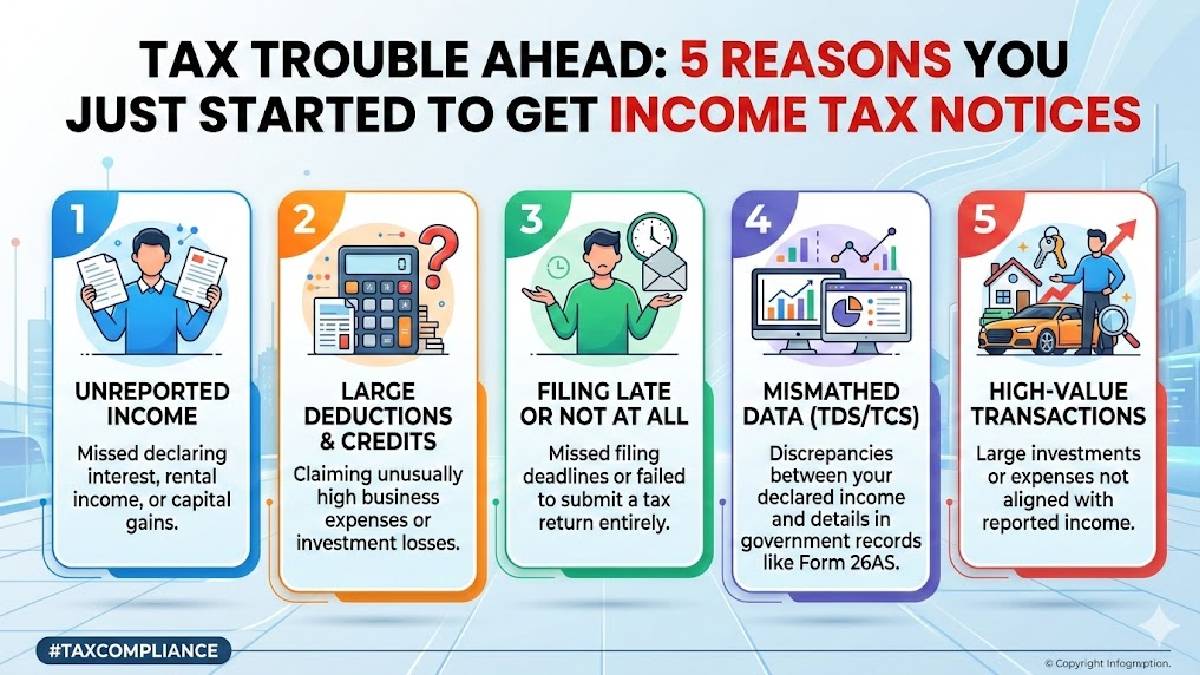
If an ITR form were selected for treatment, the most common mistakes are that that form is the wrong one. Each form indicates what type of taxpayer (salaried or non-salaried persons, businesspeople or professionals, or those who have capital gains). Reporting income in the wrong head, by misrepresenting business income to be other income, can act as a red flag in the system from the get-go. Make sure you’re choosing the right ITR form based on what your income flows through.
The Annual Information Statement (AIS) stores information on all your financial transactions -- such as salary, interest income, stock trades, mutual funds, real estate deals, and others. When the data shown in your ITR does not correspond to what is reflected in AIS, the system automatically flags it. Verify, before you file a return, whether your ITR is consistent with your AIS or not.


Taking excessively generous deductions under sections such as 80C, 80D, HRA, or others without proper documentation can attract scrutiny. The tax department might ask you to provide evidence for the deductions the taxpayer claimed. Make sure that all deductions are real, credible, documented and well-calculated.
Big cash deposits and credit cards, property purchases, stock market investments or remittances from abroad should all be reported automatically to taxes. If these things are not properly reported in your ITR, a notice may result. Accurate reporting of all major transactions is an absolute must.
If you hold international bank accounts, holdings in cryptos, and live to earn or lose money abroad you must declare them. Insufficiently disclosing foreign assets can be severely penalised and subject to legal consequences.


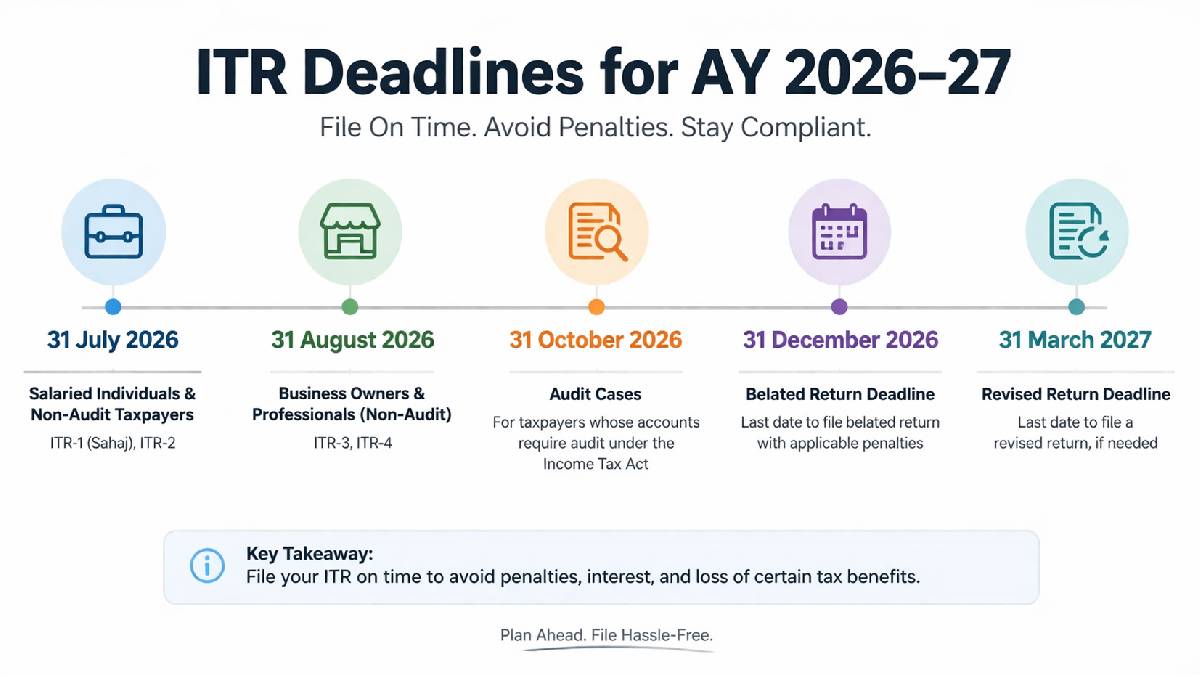
File your ITR on time. Reconcile AIS before submission. Documentation for deductions will be maintained; Disclose all sources of income. Tax notices do not always entail a fine, they often serve as an explanation. A good tax plan, accurate records, and adherence to proper timetables will keep you out of undue trouble on the tax front--and peace of mind.










Comments