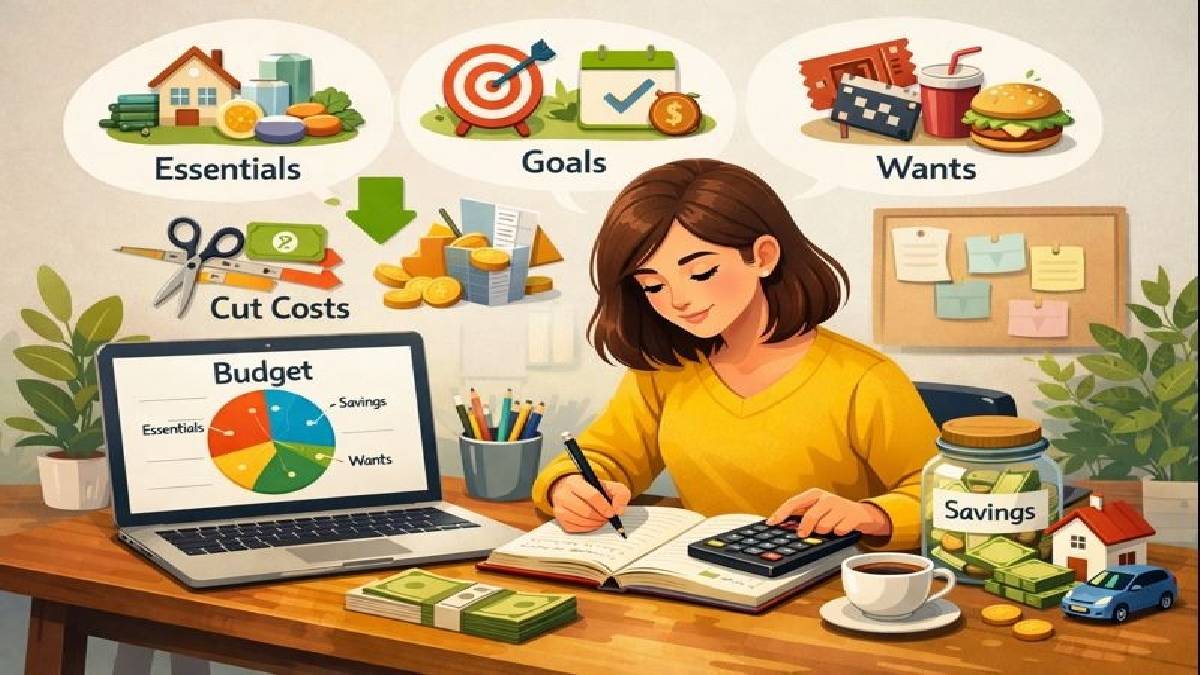
Finance is an art and science of money management. It touches people, businesses and governments, and how people earn, spend, save and invest resources. It really is at the very top, making smart decisions to ensure financial balance and sustainability in the bigger picture.
Types of Finance
Broadly speaking there are three types of finance:
Personal Finance
That means your own (or a family’s) money. Key components include:
- Budgeting: Planning for income and expenses so as not to be in excessive debt.
- Saving: The ability to put money aside for emergencies or future plans.
- Investing: Buying stocks, bonds, real estate or mutual funds.
- Debt Management: Managing your loans, credit cards, or mortgages.
Corporate Finance
That is all about business management of money, investments, and capital.
- Capital Raising: Financing by loans or selling shares.
- Investments: The kind of project to select, and management risk, for profit.
- Financial Planning: Ensuring that there is good cash flow available for operations and expansion.
Public Finance
Its budget and spending is closely linked with government income. The fundamental elements comprise of it all are:

- Taxation: Generate income from citizens for public services.
- Budgeting: Planning how to use a public budget for health, education or infrastructure.
- Debt Management: Borrowing money responsibly to fund projects without dragging the economy down.
Importance of Finance
- Security: Good financial management is crucial to prevent surprise shocks.
- Growth: Investing intelligently means saving wisely in future.
- Decision Making: Money intelligence is an important business habit, and thus a foundation of decision-making.
- Stable Economy: An economy works when financial habits are strong.
Modern Finance Tools
Technology has remade finance. Popular tools include:
- Digital Banking: Digital wallets, mobile applications and payment gateways.
- Investment Platforms: Apps that make it easy to trade stocks, crypto and mutual funds.
- Budgeting Apps: Aid you in budgeting your money spending, saving and debt management.
- Financial Education Platforms: Websites, courses and similar resources to improve financial literacy.
Financial Literacy: Tips for Sound Management
- Keep track of your income and expenses periodically.
- Designate at least 3 to 6 months of emergency support to be covered under a cushion.
- This will have the effect of not taking on needless debt and paying off high-interest loans before the debt is repaid.
- Have steady growth through diversified assets.
- Focus further on learning about finance so that you can make more informed financial decisions.
Finance is not just about dollars and cents, of course — it’s an ability to make good, educated decisions that help keep you safe, today and in the world to come. Understanding finance is critical to stability and growth as well as prosperity in your personal life, corporate life, or your government. It's not like accounting is about making money, it's making good money.
If money management is really the key to long term financial stability—one that is to say, understanding how you can budget, save, invest and avoid going into debt in excess amounts with little expense is the keystone for lasting financial stability. So begin by looking at your income and bills; aside some of it for emergencies.
Then plan to invest in the future. Small, steady steps today can help you financial freedom tomorrow.
Tip of the Day: Write in a clear, simple journal all your day expenses to comprehend your spending habits.