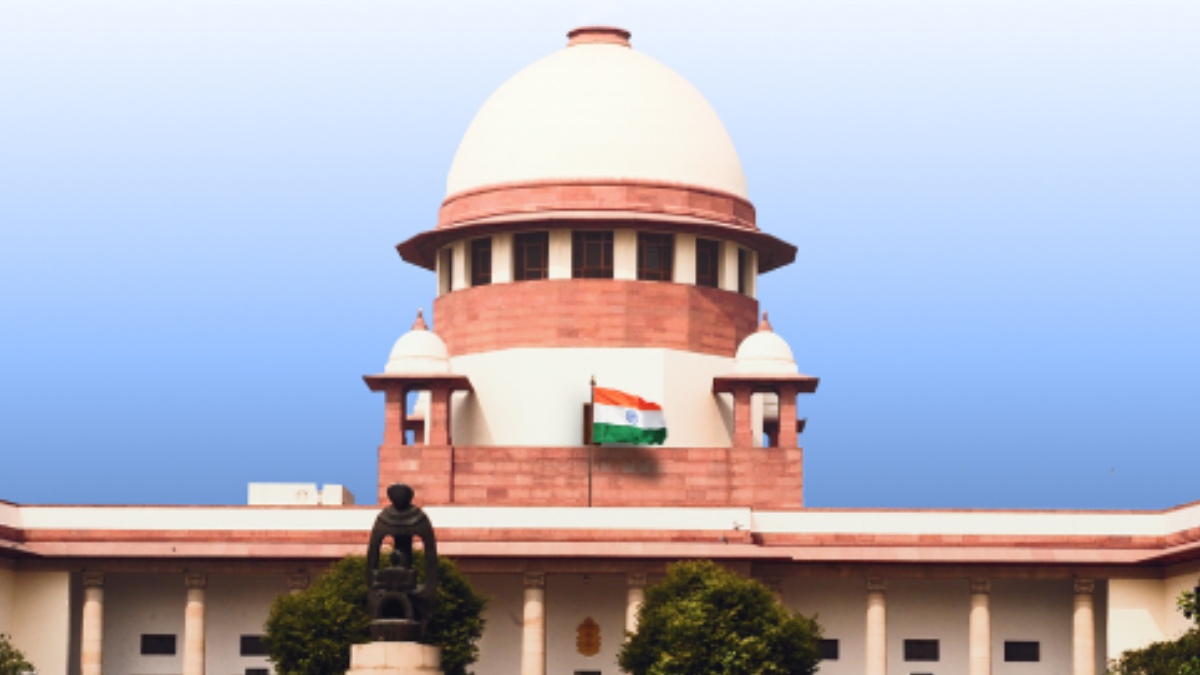
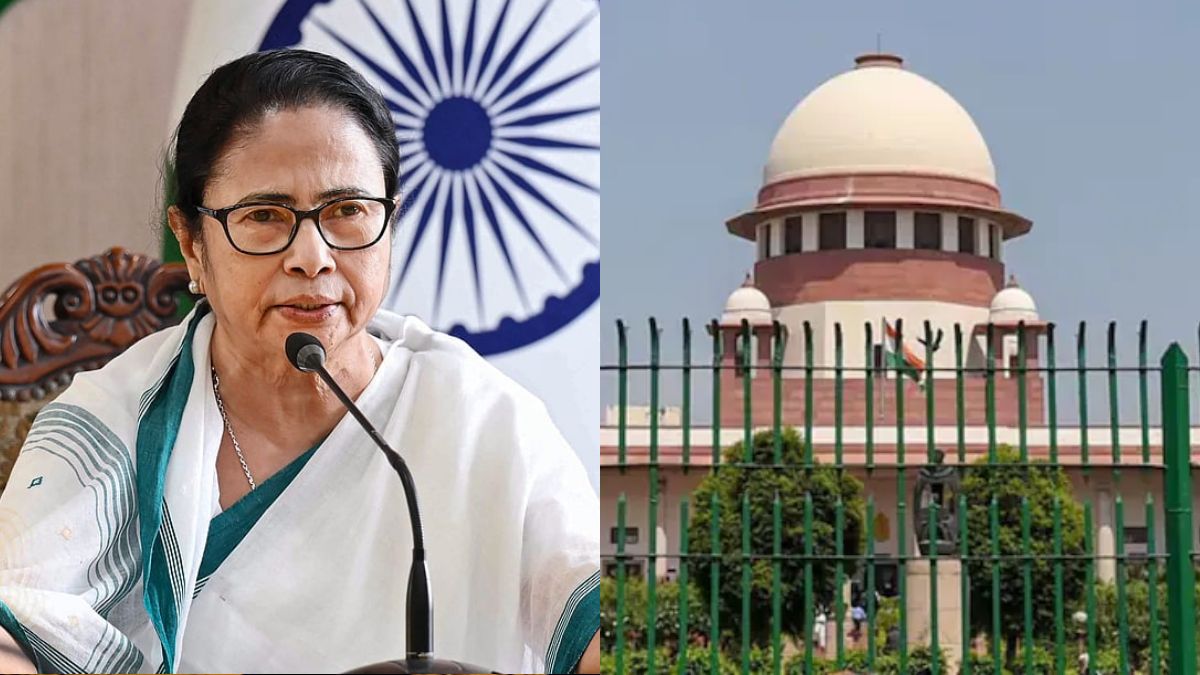
The Supreme Court of India has declined to entertain a plea seeking the implementation of mandatory menstrual leave for women employees and students, observing that such a policy could inadvertently harm women’s employment opportunities.
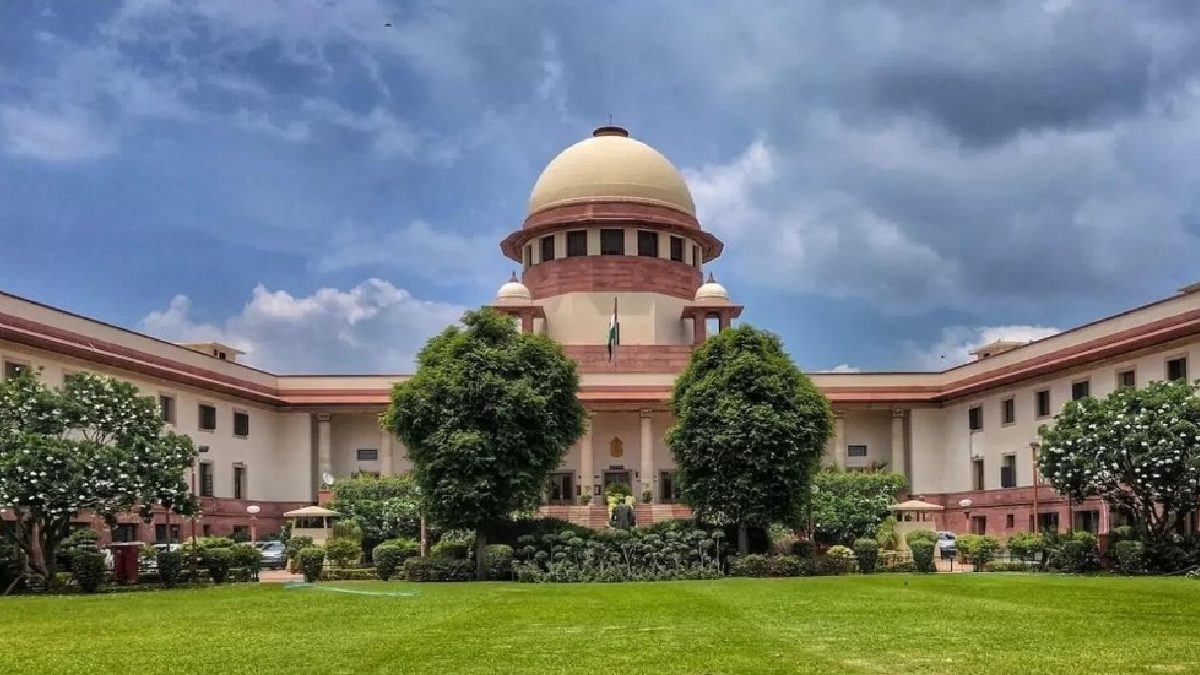
During the hearing, the court expressed concern that making menstrual leave compulsory could lead employers to view women as less employable. The bench remarked that if such a rule were enforced across workplaces, it might discourage companies from hiring women altogether.
Court’s Concern Over Employment Bias
The petition had urged the court to direct the central and state governments to frame a policy granting women a certain number of paid leave days during menstruation. However, the Supreme Court said the issue involves complex policy considerations and cannot be resolved through judicial orders alone.
The bench pointed out that while the intent behind menstrual leave is to support women’s health and well-being, it could create unintended consequences in the job market. According to the court, employers may begin to see women as a “costlier” workforce if additional mandatory leave is imposed.
The judges reportedly observed that such a situation could lead to discrimination in hiring, with companies preferring male candidates to avoid perceived productivity losses.
Policy Matter, Not Judicial Intervention
The Supreme Court also emphasized that decisions related to workplace policies should ideally be handled by the government and lawmakers, rather than being mandated by the judiciary.
The bench suggested that the matter could be discussed by relevant ministries, including those dealing with women and child development, labour, and education, to examine the feasibility of a policy framework.
Debate Around Menstrual Leave
The issue of menstrual leave has sparked widespread debate in India. Supporters argue that menstrual pain and related health issues can significantly affect productivity and well-being, making leave policies necessary for gender-sensitive workplaces. However, critics believe that mandating such leave could reinforce stereotypes about women being less capable in professional environments.
Globally, only a few countries including Japan, South Korea, Indonesia, and Zambia have formal menstrual leave policies, though their implementation varies widely.
Current Situation in India
In India, there is currently no nationwide law mandating menstrual leave. Some private companies and educational institutions have voluntarily introduced such policies to support female employees and students. Several states have also discussed the idea in the past, but a uniform national framework has yet to emerge.
What Lies Ahead
While the Supreme Court has declined to intervene directly, the debate around menstrual leave is unlikely to fade anytime soon. Experts believe the issue may eventually require a balanced policy approach that addresses women’s health needs without creating new barriers to employment.
For now, the court’s observation has reignited discussions about gender equality, workplace inclusivity, and the challenges women face in the labour market.