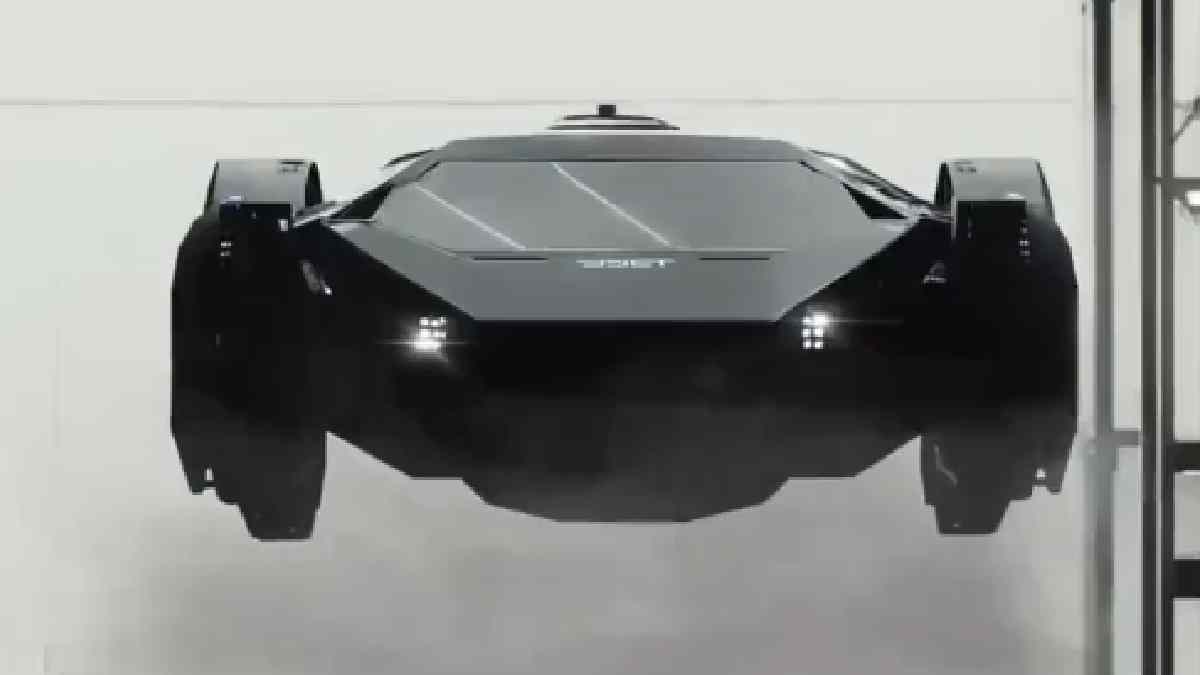
Railway maintenance is in the midst of a technological revolution as Artificial Intelligence (AI), automation and the Internet of Things (IoT) have started transforming how tracks are checked and maintained.
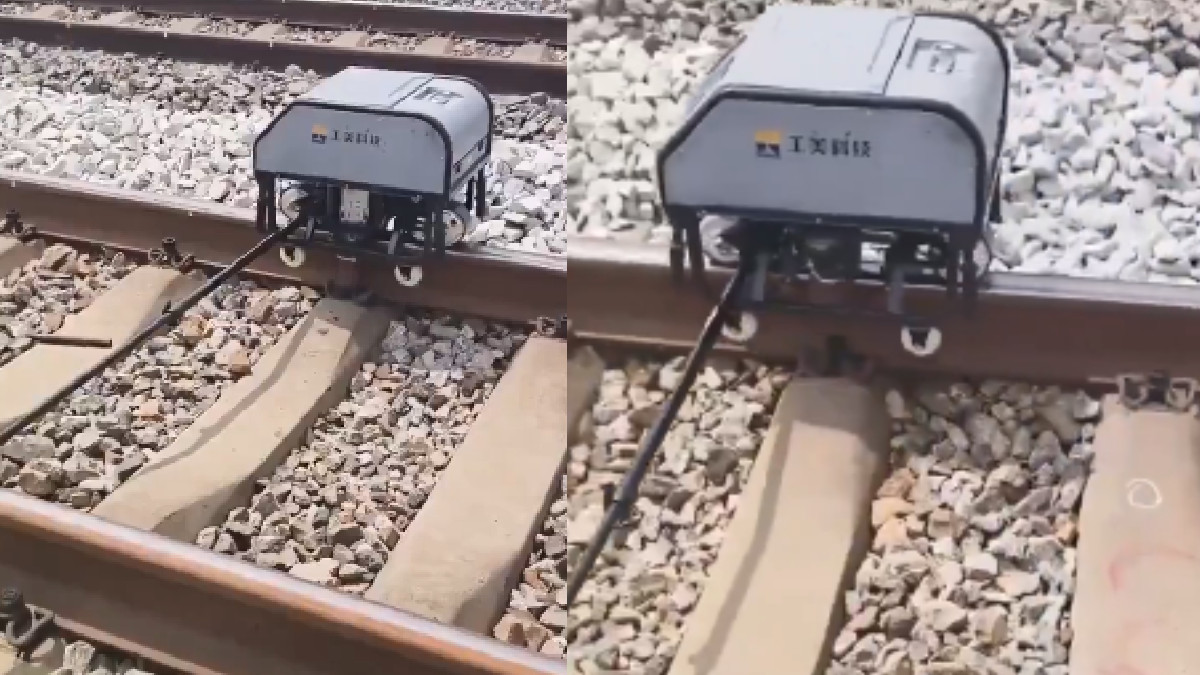
Instead of relying entirely on workers to manually check long lines of railway lines, smart machines can monitor track conditions, spot the issues and help engineers take corrective measures quicker.
The most common application is to check railway fasteners, screws, bolts and clips that hold the track secure. They are constantly vibrating from passing trains and are under mechanical stress, which can cause the fastener to become loose or go missing.
Inspection systems can now use cameras, sensors, machine vision and AI algorithms to detect such problems. Research has also demonstrated the use of distributed acoustic sensing and machine learning to detect loosened railway fasteners.
Next step is automation. Imagine that a machine is running on a railway track and is constantly checking on its state.
Sensors can check the fasteners and other components of the track and AI-based software will analyze the data. If a loose screw or bolt is detected, its location can be identified and flagged for maintenance.
In an advanced automated setup, the machine could then place a tightening mechanism over the affected fastener and apply the required torque. It would mean that workers would not have to manually check and tighten every fastener individually.
However, the ability to automatically tighten fasteners is dependent on the design and certification of a machine and most commercial systems are currently based on detection and reporting.
AI-based railway inspection is already moving beyond just simple visual checks. Systems can find missing fasteners, track geometry problems, rail defects and other abnormalities through large amounts of data.
How #AI and #Automation Are Transforming the Future of Railways
— Ronald van Loon (@Ronald_vanLoon) September 1, 2026
by @DP0STS
#Robotics #Engineering #Innovation #Technology pic.twitter.com/fuaVBksKPr
L&T Technology Services, for instance, describes its TrackEi system as “combining machine vision, IoT sensors, edge analytics and AI-driven insights for railway track monitoring."
Indian Railways is also adopting AI and machine learning technologies for railway safety.
Integrated Track Monitoring Systems (i.e., AI-based inspection and monitoring of track components) are being deployed by the Ministry of Railways and Machine Vision Inspection Systems are being piloted to detect loose, missing or hanging components.
The biggest advantage of these technologies is predictive maintenance. Instead of waiting for a component to fail, railway organizations can detect and fix issues before a minor defect becomes a major problem.
IoT helps with that by linking sensors and inspection equipment to digital monitoring systems. Data collected from different sections of track can be analysed, stored and compared over time.
Engineers can then find locations where problems are recurring and prioritize maintenance accordingly.
AI and automation will not completely eliminate railway engineers and maintenance teams. Instead, they can be an additional layer of safety as workers will identify problems faster, reduce repetitive inspection work and make maintenance more precise.
The future railway could therefore be one where intelligent machines continuously check the tracks, identify loose fasteners, report their exact locations and, where the technology is designed and approved for it, automatically tighten them.
It might be this combination of AI, IoT, sensors and robotics that can make railway maintenance faster, smarter and more proactive.