
Apple is negotiating with its main display suppliers, Samsung Display and LG Display, for a 20% cut in the price for OLED panels that will be used in the upcoming iPhone 18 lineup. It is Apple’s continued strategy of managing component costs and maintaining high hardware requirements on the iPhone.
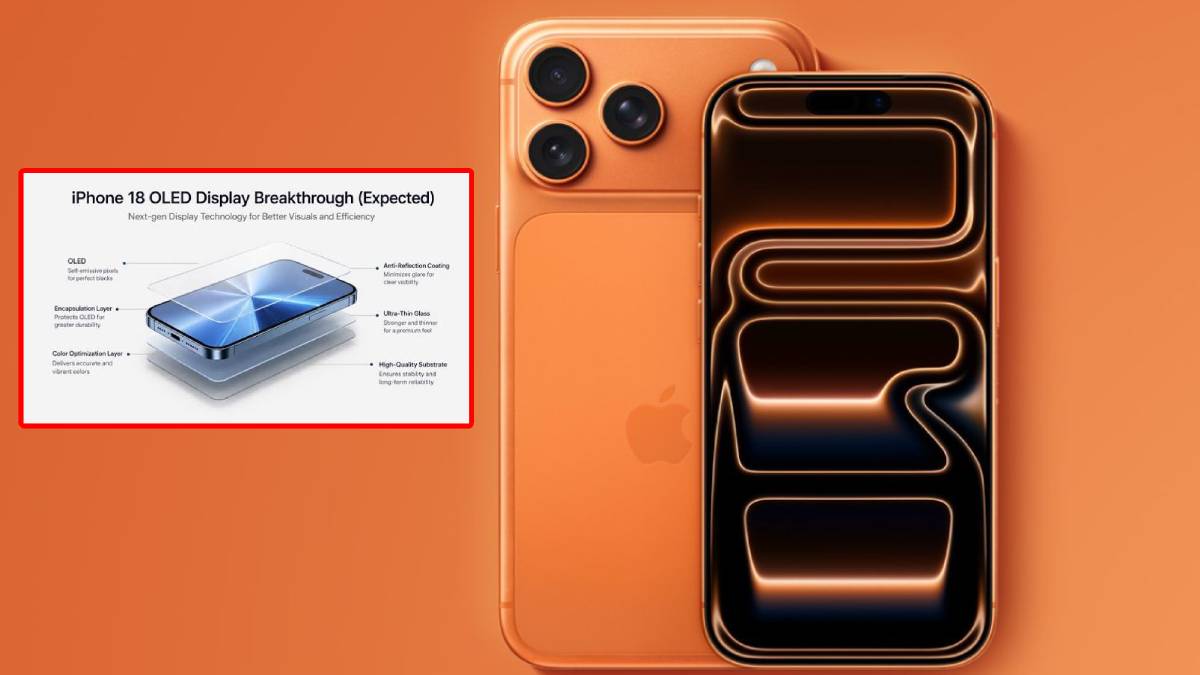
The Cupertino-based technology giant is seeking to reduce procurement costs as it gets ready for the next generation of iPhones, according to the report. OLED displays are among the most expensive components in a modern smartphone, so they’re a major component in the overall manufacturing cost.
Samsung Display has long been Apple's primary supplier of premium OLED displays, and LG Display has been increasing the number of LCD screens provided to Apple on various iPhone models. Both companies have poured a lot of resources into OLED manufacturing technologies of very high quality to meet Apple’s high standards.

Apple has been able to negotiate aggressively with suppliers in the past to get better prices thanks to its huge production numbers and long-term supply contracts, industry analysts say. Lower component costs can raise profit margins and help to control prices for other areas (e.g., advanced chipsets, camera systems, artificial intelligence features, manufacturing).
The demand for a 20% price reduction comes at a time when the smartphone industry is also suffering from fluctuating demand, supply chain changes and increased investment in next-generation technology. Display manufacturers are forced to balance profit-making and high-volume deals with one of the world's biggest smartphone makers.
For Samsung Display and LG Display, Apple is still a primary customer. And for several years, they have been providing OLED panels to millions of iPhones, in turn generating a substantial amount of revenue, and pricing negotiations are fundamental to their business relationship.

If Apple were to get lower OLED panel prices, then the company may have more flexibility in how it handles production costs in the iPhone 18 series. While there is no indication that any savings would necessarily be passed on to consumers through lower retail prices, lower component costs might allow Apple to absorb growing research, development, and manufacturing costs.
The iPhone 18 lineup is going to bring even more advancements in display technologies, processing power, camera capabilities, and on-device artificial intelligence in the future. As these advancements become more sophisticated, controlling component costs is becoming more and more important for sustainable profitability.
Supply chain negotiations like this are common in the consumer electronics industry, especially ahead of large-scale product launches. Final pricing agreements typically depend on production volumes, technological specifications, manufacturing yields, and long-term strategic partnerships between companies.
Apple, Samsung Display, and LG Display have not publicly confirmed the negotiations. However, the report points out that for many companies, there are intense commercial conversations that are going on in the background before most consumer technology products are released in the market.
As all preparations for the iPhone 18 go on, industry observers will closely watch Apple and its display partners to see if Apple and its partners can come up with an agreement that will impact the production economics of one of the world’s most anticipated smartphone launches.






Comments
Leave a Comment