
Apple’s new iPhone Fold could run out of supply when it is released, and the company could be hit by a supply crunch with the first batch of supply. Apple’s anticipated iPhone Fold will probably face a shortage of supply, and the company may not be able to ramp up production quickly enough to meet initial demand before it goes on sale. A very tight supply situation is one of the most imminent challenges for Apple’s first foldable iPhone and may not be able to meet its demand; in some sense, it could be one of the hardest to build, given the company may not be able to produce quickly enough to satisfy demand.

The foldable iPhone has been expected for years, and Apple is reportedly working on a new form factor that could make it a very different kind of iPhone. If the product is released as expected, it will be a major hardware change from Apple since the first iPhone was released in 2007.
A foldable device, unlike traditional iPhone models, has a more complicated manufacturing process. The flexible displays, folding mechanisms, specialized materials, and additional durability requirements may make production much more difficult than a traditional smartphone.
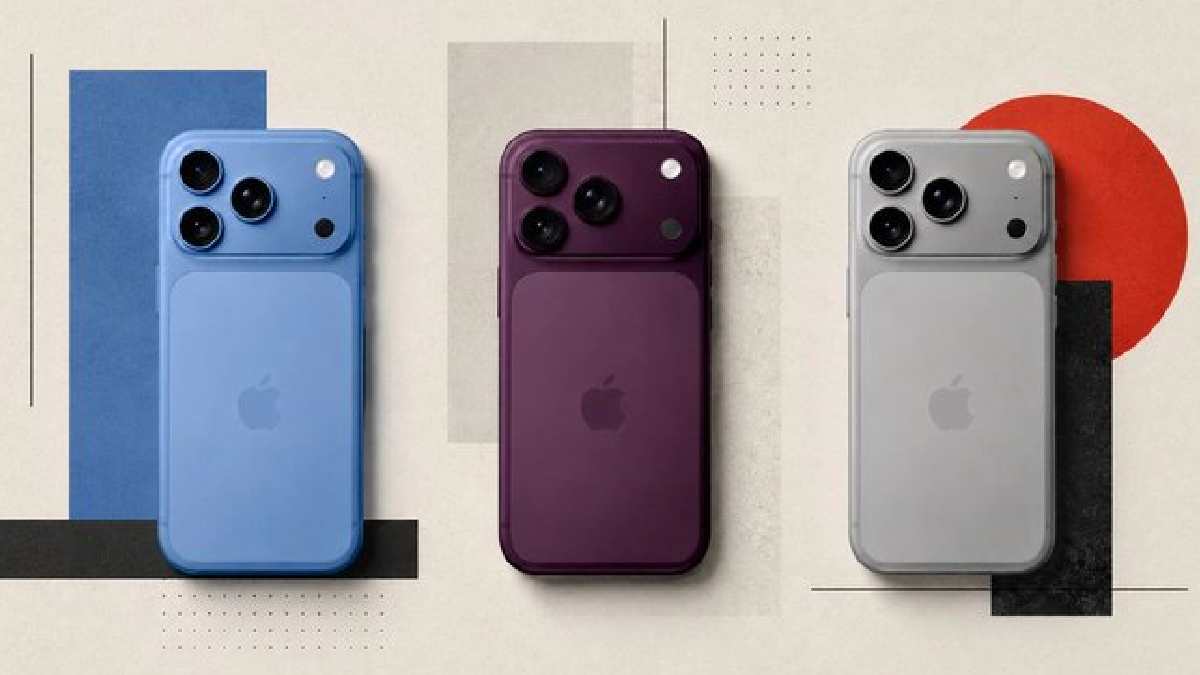
The reported supply constraints could be related to Apple's efforts to deliver on the high-quality standards expected from its premium devices by increasing production volumes and/or product production numbers.
Apple usually has a very sophisticated global supply chain capable of producing millions of devices. But the challenge of launching an entirely new category is different from simply expanding production of an iPhone model.
A foldable iPhone could require specialized components that have lower production capacity than the standard smartphone parts. Suppliers might also need more time to improve manufacturing yields before Apple can significantly increase production.
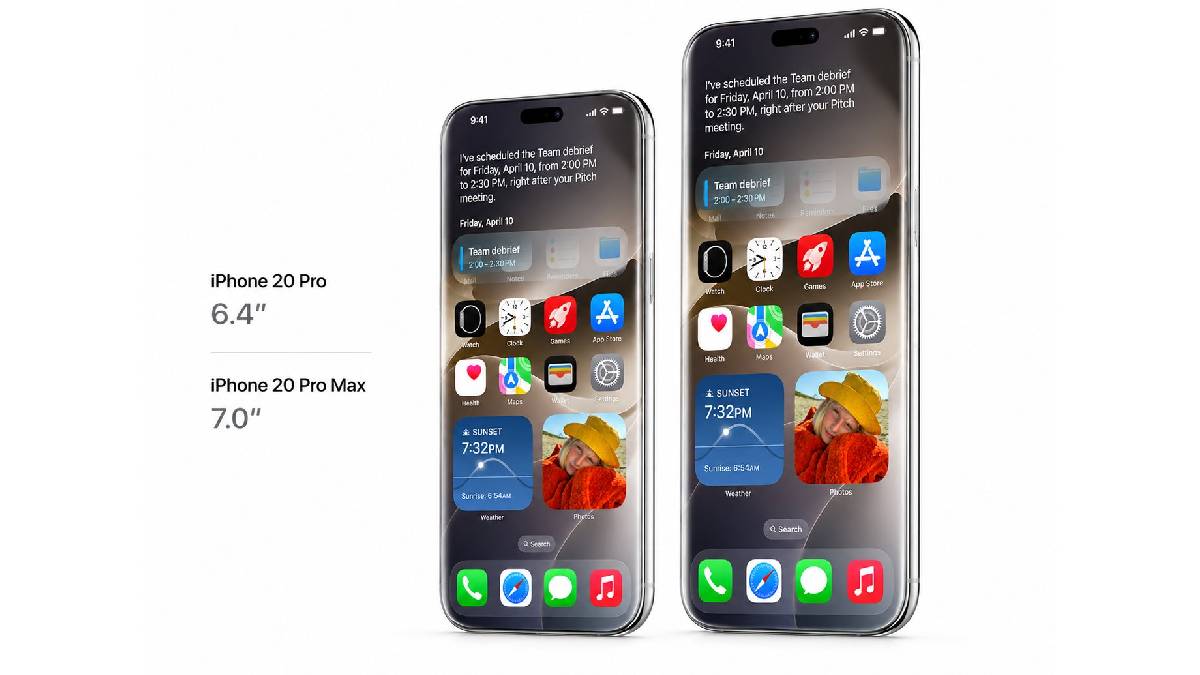
If you’re a consumer, only limited launch inventory could mean longer wait times, limited availability in certain markets, and more sales over Apple’s retail and online channels.
The situation could be especially serious because Apple's first foldable smartphone would attract much attention from existing iPhone users as well as consumers who have already adopted foldable devices from other companies.
Foldable smartphones have become increasingly sophisticated in recent years. In that regard, competitors have aggressively invested in thinner designs, better hinges, larger cover displays, and more durable flexible screens. Apple's entry into the market would therefore have high expectations from consumers.
Apple has a cautious attitude towards new hardware technologies. A new product is not launched in a rush, and reliability, design, and user experience are the main reasons why a new product is developed. This can certainly affect the initial production volume for new manufacturing technologies.
If the iPhone Fold is indeed in very tight supply at launch, early buyers could face a situation similar to previous Apple product launches where demand significantly exceeded available inventory.
Supply dynamics could also affect the pricing and market positioning of the device. The limited initial supply combined with strong demand could make the foldable iPhone particularly desirable among Apple's most loyal customers.
At the same time, Apple would have a strong incentive to increase production as quickly as manufacturing capacity allows. The company could gradually improve supply after the initial launch period as suppliers increase output and manufacturing processes become more efficient.
In the near future, the iPhone Fold could become an important premium product for Apple's larger smartphone strategy. Foldable devices allow for a much larger screen and a small form factor from which smartphone portability and tablet-like capabilities can be combined.
Apple’s entry could also drive up competition in the foldable phone market. Rivals will respond to new product designs, pricing strategies, and technological advances as they look to defend their market positions.
But the production challenge brings to light one of the biggest problems with introducing a foldable iPhone: scaling up a sophisticated new design without compromising Apple’s quality standards.
Until Apple is ready to announce the device, any specifications, production volume, and the launch date for it still remain subject to change. And supply constraints should be treated as early warnings rather than firm company direction.
If the rumors are true, Apple's first foldable iPhone could have great demand and not much stock. That combination will be of great importance for Apple and the smartphone industry to launch it.
The upcoming months will see if Apple is able to overcome production challenges and build sufficient inventory for what could be one of the company’s most closely watched product launches in years.










Comments
Leave a Comment