Apple is preparing for one of the most radical design changes in the history of the iPhone as it celebrates the 20th anniversary of its business. Apple is also testing a radical new display concept for its upcoming flagship line-up that will have a borderless quad-curved screen, huge display sizes and advanced under-display Face ID technology, based on the latest reports and industry speculation.
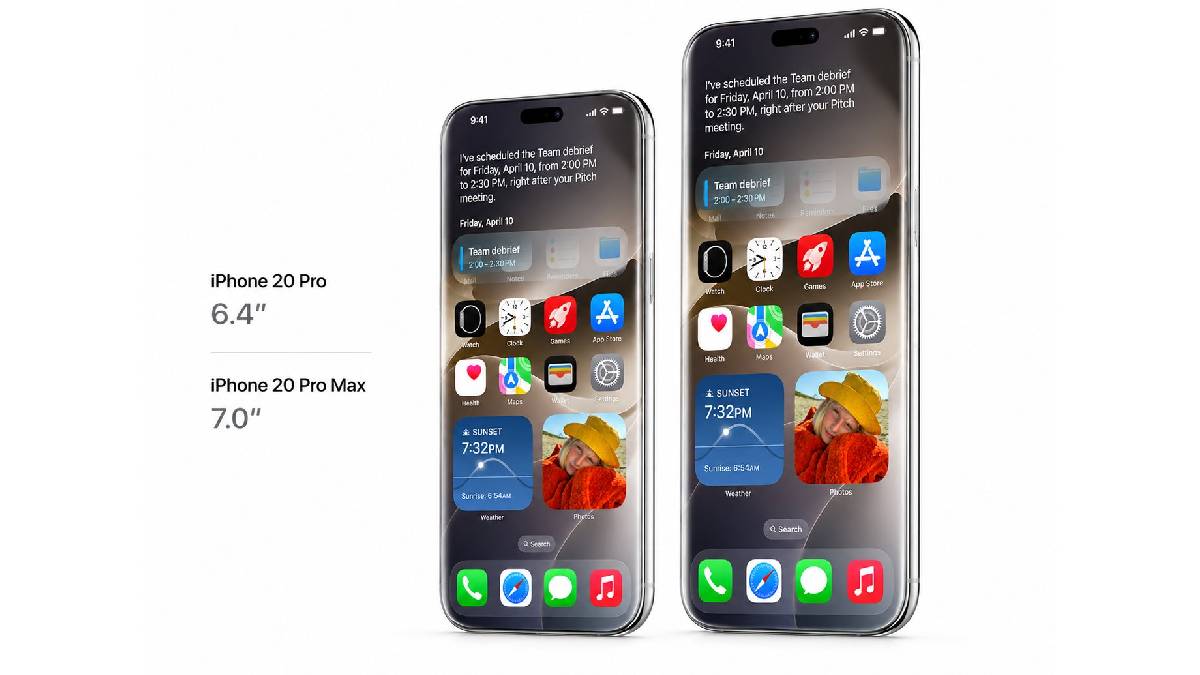
The purported devices are referred to as the iPhone 20 Pro and iPhone 20 Pro Max, but Apple has not released any of the names, specifications, or even the existence of these devices. If these reports are true, the anniversary-generation iPhones will most likely have a major visual change and move forward to the long-talked-about concept of a completely uninterrupted display.
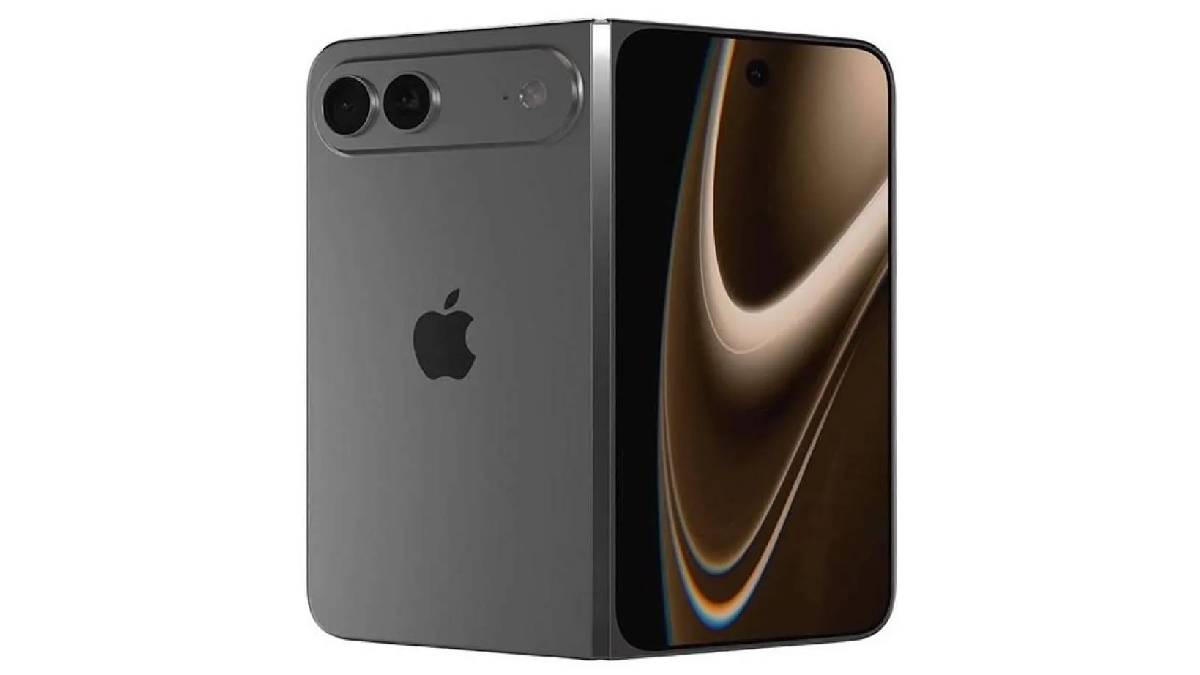
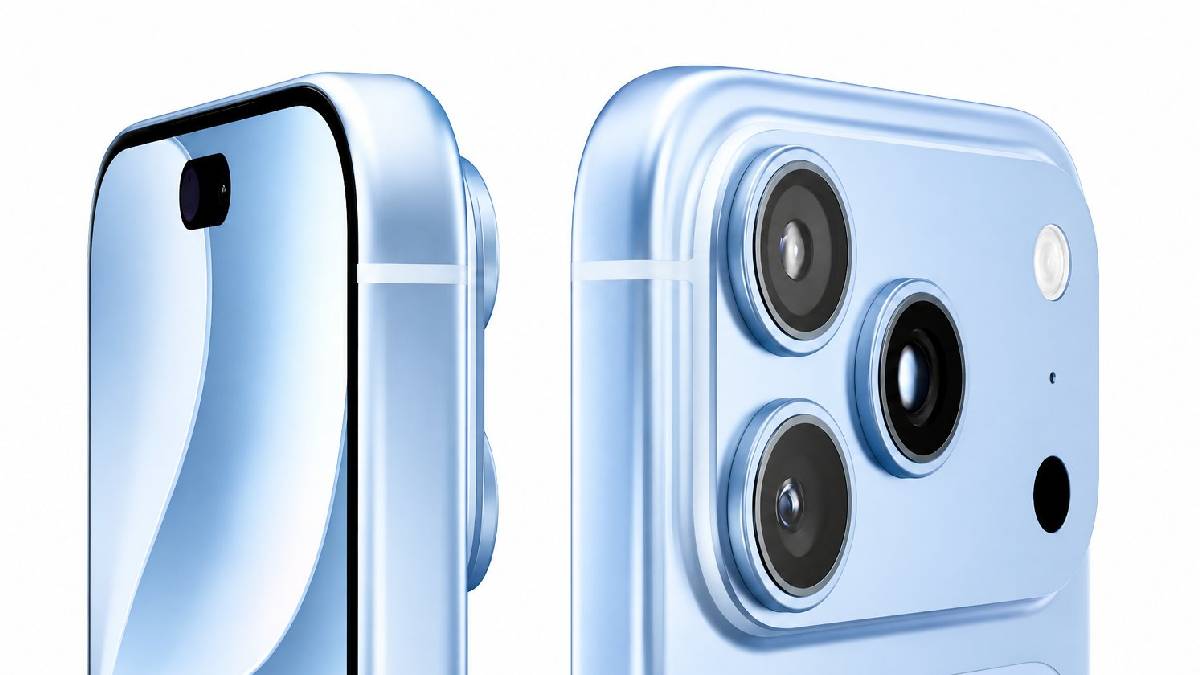
The biggest talking point is the possible quad-curved display. Unlike traditional curved smartphones, which tend to have curved edges on the left and right sides, Apple's design may curve all four sides of the device. That would make the display look like it’s embedded in the frame, eliminate bezels, and create an almost borderless front.
The company also has been thinking of a new display structure that might give the iPhone a more futuristic look without losing usability. Apple could avoid the deep “waterfall” curves in some early smartphones and instead use rather subtle curves to make the borders look thinner without touch control or screen distortion.
The rumored display upgrade could also bring larger screen sizes. Apple is said to be testing a 6.4-inch display for the iPhone 20 Pro, which would be larger than the current Pro-sized iPhone screens. The larger model (the iPhone 20 Pro Max) could have a display of close to 7 inches.
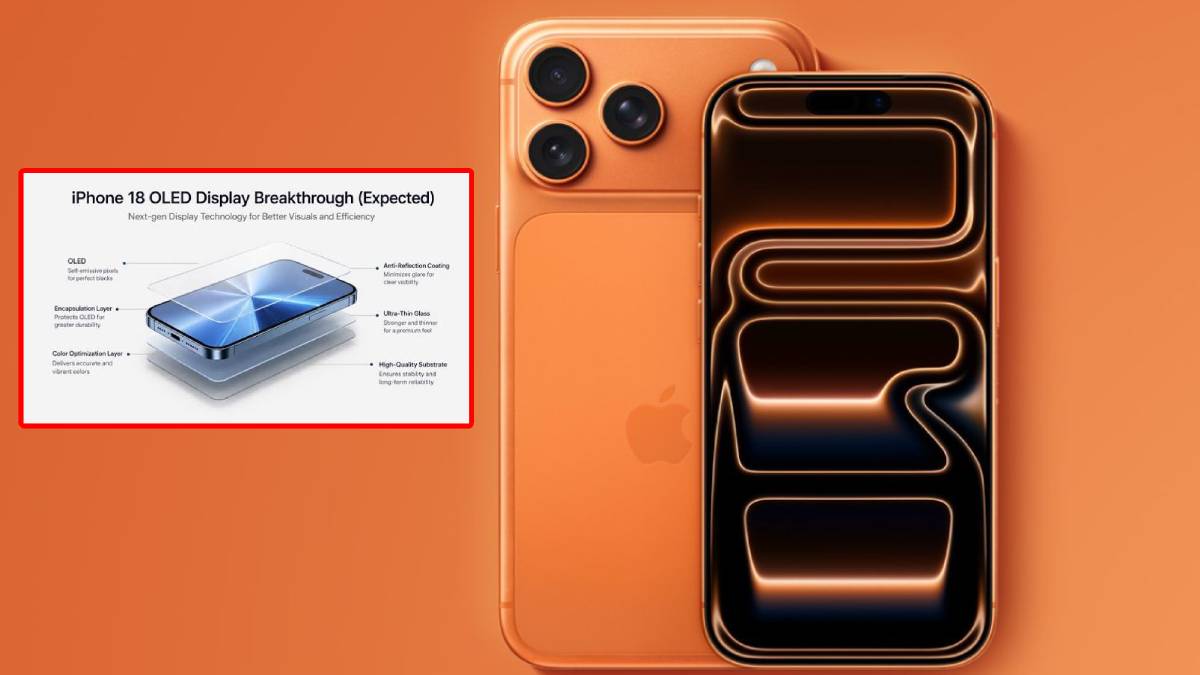
A nearly 7-inch iPhone would be Apple’s biggest smartphone screen ever. That screen would give much more space for video streaming, gaming, photo editing, productivity, and multitasking. More AI features and media applications could be enhanced with a bigger screen.
Even as the screen size increases, Apple might try to keep the physical dimensions smaller by cutting into the borders around the screen. The combination of ultra-thin bezels and a curved display may allow the company to increase the visible screen area without making the phone much wider.
Another major feature being tested is under-display Face ID. The technology could place the sensors required for facial recognition beneath the display, eliminating the need for the current Dynamic Island design.
If Apple incorporates Face ID underneath the screen, that display could be cleaner and more immersive. Some reports suggest that the front camera might still be placed under a small opening, while the Face ID components remain hidden behind the OLED panel. Apple may eventually be able to have both the Face ID system and the front camera under the display and have a complete screen.
But under-display technology is still technically challenging. The display needs enough light to pass through for sensors and the camera to work properly and at the same time have good image quality and display performance. Apple will trial different solutions before deciding which technology is ready for commercial use.
The 20th-anniversary iPhone could be especially important because Apple had been using the iPhone’s 10th anniversary to launch the iPhone X, a product that changed the product design. The iPhone X dropped the Home button, introduced Face ID, and presented an edge-to-edge OLED display to the iPhone line.
A similar redesign for the 20th anniversary could be another big turning point. The combination of a quad-curved display, almost invisible borders, larger screens and hidden Face ID technology could lead to an iPhone with a completely new visual identity.
The anniversary model could also serve as a premium, pan-market flagship that showcases Apple’s latest display and hardware technologies. A lot of engineering work will be required to develop the curved OLED panel, sensor under the screen, and to remain durable around the edges.
But those details are still based on reports and early industry information. Apple often tests multiple prototypes, display sizes, and technologies, and not every feature is being developed. Apple has not released any official statement about the iPhone 20 lineup.
For now, the possibility of a curved, borderless iPhone has engendered so much interest among technology fans. If these reports are true, the iPhone 20 would be one of the most ambitious and visually striking phones Apple has ever made.
The future iPhone could have a bigger and seamless display that curves around all four edges and hides its Face ID technology below the screen. When Apple brings this radical concept to market will come to light as the anniversary launch approaches.