China's AI race has another big player and its name is Kimi.
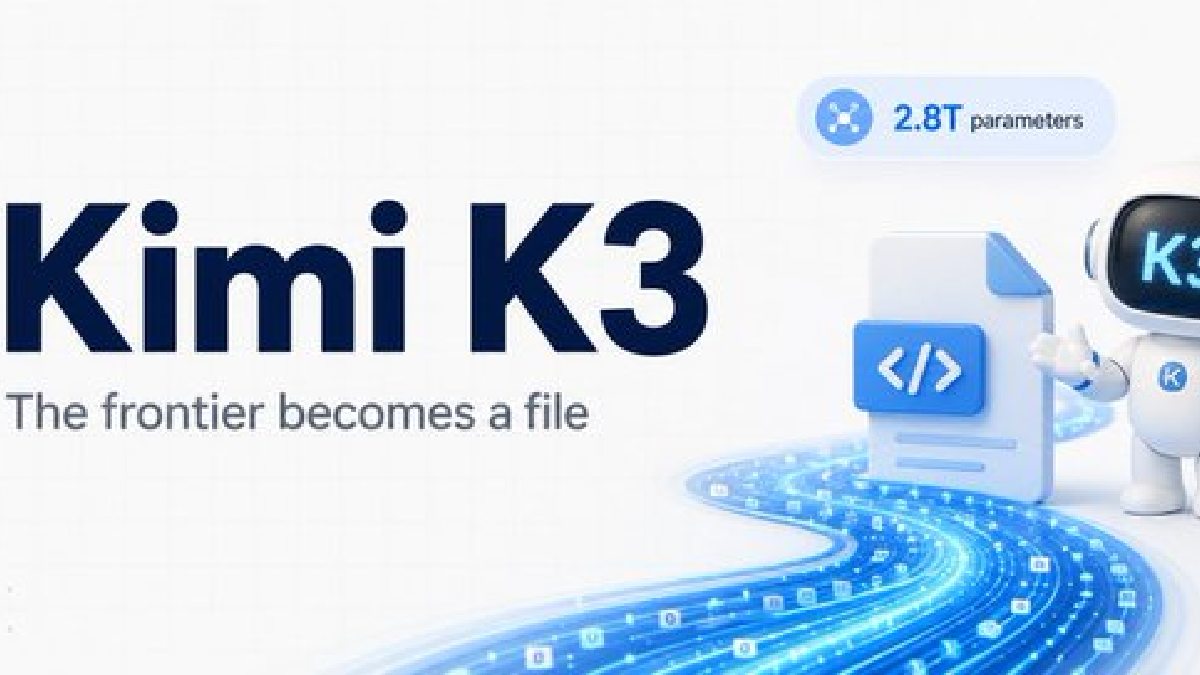
Kimi is a Chinese AI startup Moonshot AI and in short-term and long-term, is rapidly gaining attention for its strong reasoning capabilities, long-term understanding and competitive nature with the world's best AI chatbots.
As AI competition between the United States and China escalates, Kimi has also caught the attention of India.
Kimi is more than just another chatbot. It has been designed to process extremely large documents, answer complex questions, summarize lengthy reports, assist with coding and support research. These abilities have made it one of China’s fastest-growing AI platforms, competing with domestic competitors like DeepSeek and challenging global AI models such as OpenAI, Google and Anthropic.
For India, Kimi is both an opportunity and a strategic menace. India is now one of the world's largest AI markets and millions of developers, startups, students and businesses are using generative AI tools. The arrival of another powerful Chinese AI platform could create more competition for Indian AI startups and will have an effect on data privacy, cybersecurity, and digital sovereignty.
Chinese AI applications have been under scrutiny in India as well. During border tensions in 2020, the Indian government banned hundreds of Chinese mobile apps over national security concerns.
Kimi is an AI assistant rather than a social media or entertainment app but experts say any Chinese digital platform entering the Indian market will likely be subjected to close oversight.
Kimi’s strength is in the context of long-term conversations. It can analyze large research papers, legal documents, financial reports, and books in one prompt. And it is attractive to professionals, researchers, and businesses looking for advanced AI support.
Kimi also signals China’s impressive progress in artificial intelligence despite the limited access of advanced chips and some Western technologies. Chinese companies have been investing in developing smart AI models that can be competitive with lower operational costs.
India is also investing in its own AI ecosystem through government initiatives, semiconductor manufacturing, AI research, and startup funding. Domestic companies are building indigenous large language models to serve India's multi-language population.
Success in these efforts will be important as competition from Chinese and American AI firms continues to grow.
Industry experts say Kimi is an indication that the worldwide AI race is no longer restricted to Silicon Valley. Chinese companies are rapidly innovating and developing products that can stand toe to toe on the global stage.
When Kimi will be released in India and accepted in India will be dependent on regulatory approval and privacy and trust of users. But its rapid growth is just another sign that artificial intelligence is becoming a crucial arena for technological, economic and geopolitical competition.
As India strives to become a world AI superpower, it will be how it is using platforms like Kimi to shape discussions about innovation, security and digital sovereignty for years to come that will shape the conversation around innovation, security, and digital independence.