Privacy concerns about smart TVs have come back to the fore after some news about LG TVs may be recording conversations inside users’ homes. Smart TVs have become connected entertainment hubs with voice assistants, streaming services, internet access and artificial intelligence-powered features, so questions about microphones, voice commands and data collection are becoming more common.
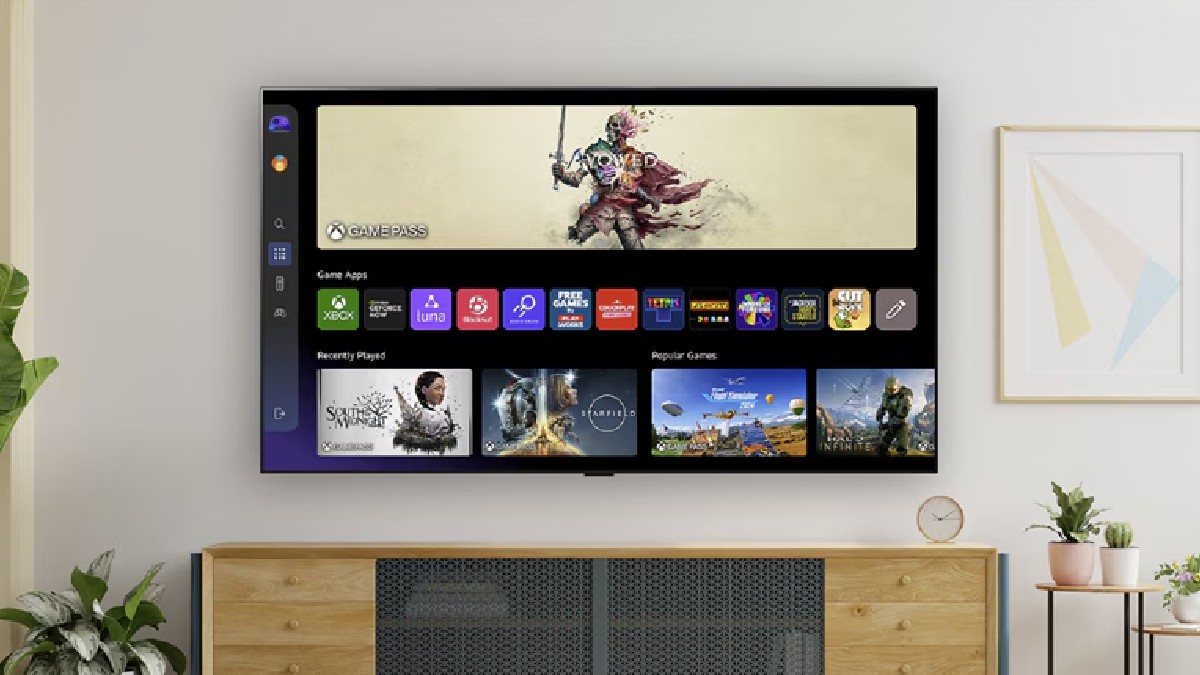
LG has since responded to the concerns, saying its smart televisions are not secretly recording or transmitting private conversations. It has also tried to clarify how its voice-recognition technology works and maintains that speech-to-text processing is related to an active voice interaction and not to a continuous monitoring of conversations in the room.
LG said the voice feature on its smart TVs will be enabled when the user actively interacts with it. That can happen by calling a wake word or pressing the relevant voice or AI button on the TV remote. As a result, its TVs do not record or transmit conversations when the voice feature is not turned on.
That’s important because today’s smart TVs can have microphones that can search for shows, control settings and perform other functions using voice commands. The presence of such hardware can naturally lead to questions about whether conversations are being captured when no command is being given.
LG has said this is not how its voice-recognition system is designed to work. It said conversations are not converted into text, stored or transmitted through the voice-recognition system when a wake word is not detected. LG also explained local processing as part of how voice interactions are handled.
But the company admitted that voice recognition logs could be recorded during an active voice-command session. The logs are associated with specific interactions initiated by the user, according to LG, not a continuous recording or surveillance.
LG also talked about the duration of voice recognition sessions. The company said these sessions generally remain active for a short amount of time after activation. So the voice functionality is designed to work around a specific interaction rather than being constant throughout the day.
LG’s Automatic Content Recognition (ACR) has also received more attention. ACR can identify the content viewed on TV and can be used in content-related services and advertising. Concerns about ACR can arise as the technology uses information associated with what is being viewed.
LG says its ACR technology uses audio fingerprinting instead of traditional recordings of the television's screen or the surrounding environment. The company said the feature does not collect screenshots, screen recordings, video recordings or voice recordings.
The features such as voice recognition, ACR and interest-based advertising are optional, they also say, according to LG, for instance. LG said those features are not enabled by default, and users are free to choose whether they want to use them or not, so they must also decide whether they want to activate or consent to them.
Those preferences can be controlled by the TV settings, including withdrawal of consent for optional features as required. LG says customers can continue using core television functions (live television, streaming applications and software updates) even though they choose not to use certain optional features.
The clarification comes at a time when privacy has become a huge priority for consumers buying connected home devices. Smart televisions can connect to online services, apps and advertising systems and users should understand what features are active in their devices and what permissions they have granted.
LG has rejected the suggestion that its televisions secretly record private conversations, but users who are concerned about privacy can check the settings available on their individual TV models. Turning off optional voice, content-recognition or advertising-related features can give users more control over how connected features are used.
Smart TV features can vary based on the model, software version, region and services available. For that reason, users should check the privacy and voice-assistant settings on their specific LG television rather than assuming every model has exactly the same configuration.
LG’s position is clear, though: smart TVs aren’t constantly listening to, recording or transmitting private conversations, the company says. Instead, voice processing starts when users invoke the relevant voice feature and optional technologies such as ACR can be controlled by television settings.