The foldable smartphone market has evolved rapidly in the past few years as manufacturers have developed designs, made them more durable and delivered flagship-quality performance. By 2026, there will be three best foldables - Google Pixel 11 Pro Fold, Samsung Galaxy Z Fold 8 Ultra and Vivo X Fold 5. All of them are high-end smartphones but are very different from each other. Camera performance, productivity, software experience or battery life, for example, is the key to selecting the right foldable device.
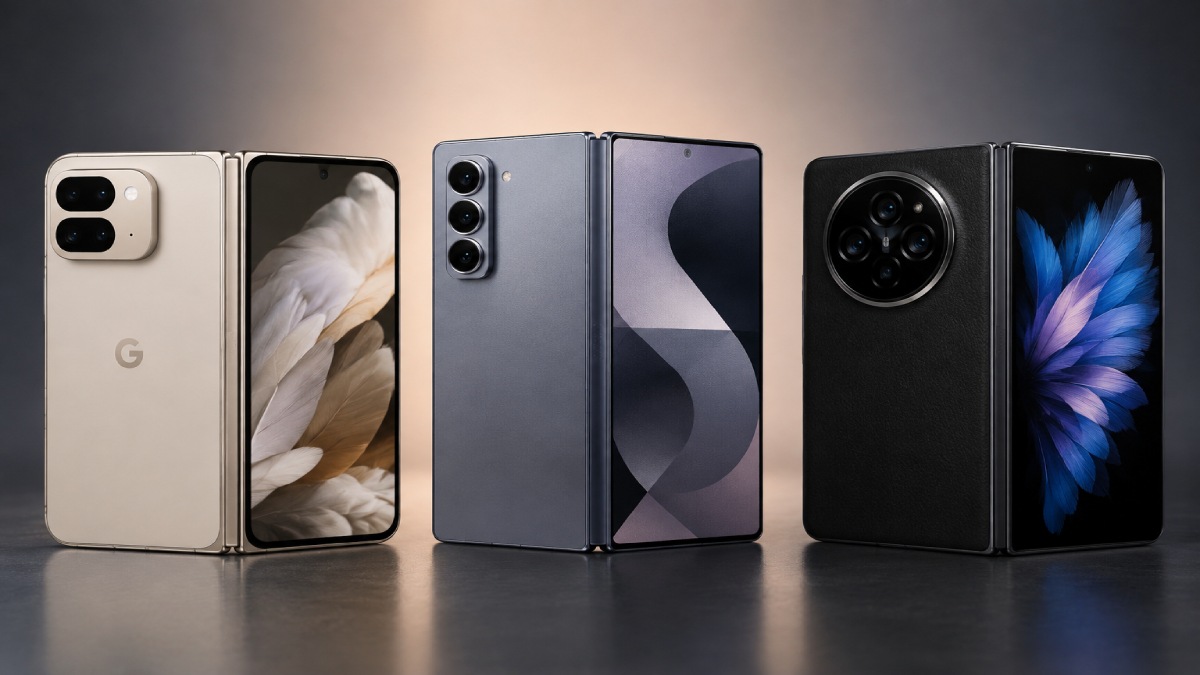
The Google Pixel 11 Pro Fold is a continuation of Google’s focus on artificial intelligence and software integration. The phone is expected to bring a clean Android experience with exclusive AI-powered features that enhance photography, productivity, translation, and daily usability.
Google's robust software support is one of the main reasons people buy Pixel. Users looking for intelligent features, computational photography (and timely Android updates) will love the Pixel 11 Pro Fold. And the camera software of Google consistently works great in the dark and in the harsh light, so it is a great choice for photography lovers.
Samsung’s Galaxy Z Fold 8 Ultra builds on years of foldable success with the Galaxy Z Fold 8 Ultra. Samsung has been improving upon its hinge mechanism, display resilience and multitasking capabilities and S Pen support since the first generation of foldable products in the company.
The Fold 8 Ultra will be marketed for professionals and power users who rely on the productivity features of split-screen multitasking, desktop-like functionality and seamless integration with Samsung’s tablet, smartwatches and laptops ecosystem. Samsung's foldables also have high-end AMOLED displays, water resistance and software customization with One UI for that same.
As the company continues its strategy of marrying the best of hardware and the best camera technology in all products, the Vivo X Fold 5. The good portrait photography, advanced imaging features and fast charging capabilities are the factors that the company has been known for so far. But people who want a foldable with big battery life, ultra-fast charging and a great camera system - the Vivo X Fold 5 could really be the one for them. Vivo has also made immense improvements in hinge engineering, so its foldable devices are thinner and lighter than those in the past.
Display quality is still one of the most important aspects of any foldable smartphone. All three devices are expected to have high-refresh rate AMOLED displays with bright colors and bright and smooth animations. Samsung has long been the traditional leader in display technology, and Google’s software optimization ensures they appear sleek and professional. Meanwhile, Vivo has focused on reducing crease visibility and display quality improvement so everything can be kept in sight without compromising quality.
Performance won’t be compromised no matter which device is chosen. The high performance, high memory and high memory configurations of high-end smartphones enable gaming, multitasking, video editing and AI-powered tasks, they have been good for so long. The thermal management has also improved drastically in these smartphones which helps maintain performance at the highest level when challenging tasks are encountered.
Camera performance is still a major difference. Google’s computational photography often produces natural colours, excellent HDR performance, and it has industry-best image processing. Samsung typically offers more zoom flexibility and camera software that is more suited to casual users and content creators. Vivo continues to do good portrait photography and has developed imaging partnerships that help to make photographs look good.
Battery life is another important factor. Foldable smartphones need bigger batteries to power dual displays and manufacturers have responded to this by increasing efficiency along with charging speeds. Vivo should still be able to contend with wired charging speed, while Samsung and Google will focus on battery optimization via software and AI-driven power management.
Software experience may ultimately determine more purchase decisions than hardware. Google's Pixel experience gives clean Android with special AI tools and software upgrades instantly. Samsung's One UI offers lots of customization, super multitasking and ecosystem integration. Vivo’s interface is improving with improved performance and productivity features for everyday users.
Pricing is also important. Foldable smartphones are still among the most expensive devices on the market and buyers are also increasingly focused on long-term value. Google's software support, Samsung's ecosystem and productivity features and Vivo's premium hardware provide a different value proposition for every individual.
There is no single winner ultimately. The Google Pixel 11 Pro Fold seems to appeal to mobile users who want the best Android experience with beautiful computational photography. The Samsung Galaxy Z Fold 8 Ultra is still the best option for productivity-oriented professionals who want the most mature foldable ecosystem. Meanwhile, the Vivo X Fold 5 is a must buy for those looking for the best camera, best hardware, long battery life and fast charging.
As foldable smartphones become more mainstream, consumers now have more compelling choices than ever before. It is about software intelligence, multitasking, photography, charging speed, or ecosystem integration to choose the best model.