
Kolkata’s streets have always been synonymous with its yellow Ambassador taxis an inseparable part of city identity. But as the vehicles slowly disappear from the roads, photographer, author and HarperCollins India CEO Ananth Padmanabhan is bringing their stories back to life through a photography exhibition called No Refusal.
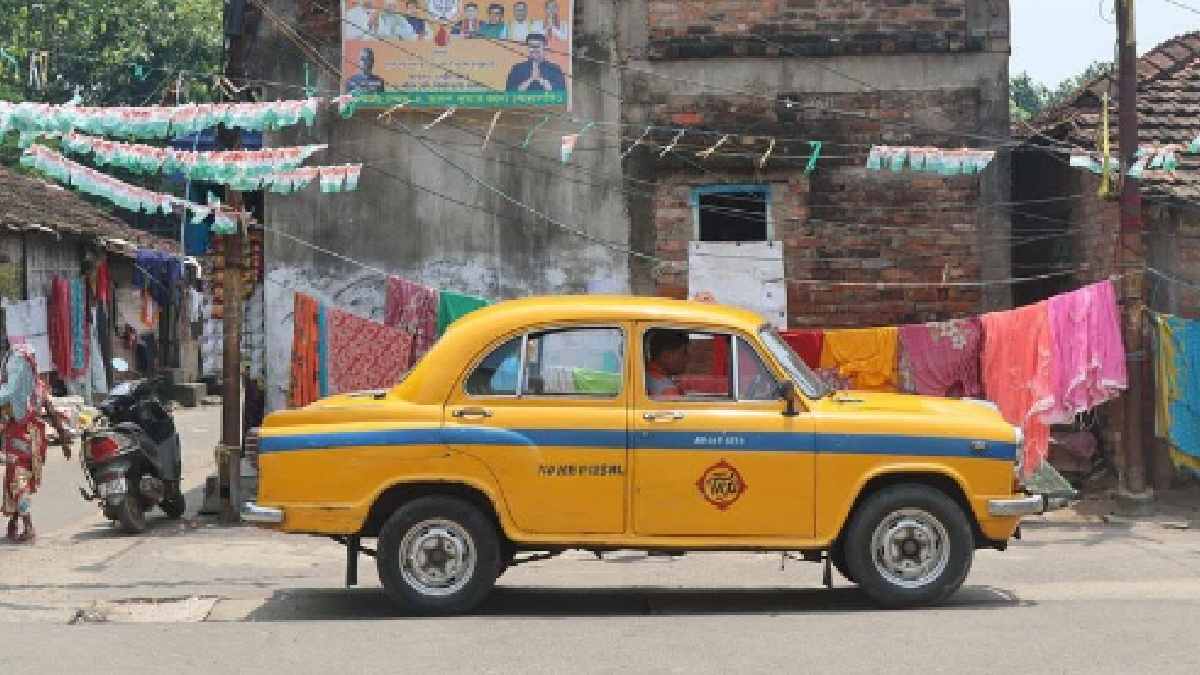
The exhibition celebrates the cultural importance of Kolkata’s yellow taxis through photographs taken over almost three decades. On show at the Visual Arts Gallery of India Habitat Centre in New Delhi, the collection shows how the streets of Kolkata changed and one of its most iconic symbols was declining over time.
Padmanabhan’s fascination with yellow taxis began in January 1998 when he came from Delhi by Rajdhani Express to Howrah railway station. The sight of these unique vehicles caught his eye immediately and so it became a long-running photography project documenting the taxis in different parts of city.
The title of the exhibition is ‘No Refusal’. The words on the doors of Kolkata taxis were traditionally displayed as a government directive not to allow drivers to refuse passengers. It became part of city taxi culture and an important part of its visual identity.
The Ambassador car has a long history in India. Made near Kolkata since the late 1950s it served politicians and government officials and other prominent people first then became a taxi on the city’s roads its shape and bright yellow colour eventually made it one of Kolkata’s most recognisable vehicles.
But the end of Ambassador production in 2014 was a turning point. New cars and changing preferences have entered the market and the yellow taxis are slowly becoming less common.
Padmanabhan photographs different aspects of this change. Some images are of yellow taxis on busy streets and rain-soaked roads; others are of ageing vehicles in garages and cars that have been abandoned or sent for scrapping.
The exhibition also pays attention to the people behind the vehicles. Photographs of taxi drivers standing beside their cars show how emotionally they relate to the Ambassadors; for many drivers these were not just means of transport but livelihood and part of family life too.
Padmanabhan says if they lost these taxis it would be losing part of Kolkata’s character. He has suggested that around 500 Ambassador taxis should be preserved and fitted with environmentally friendly engines so that they can continue to operate as heritage vehicles.
His proposal is part of a wider question about how cities preserve their cultural identity while meeting modern transportation needs.
‘No Refusal’ is therefore not just a series of photographs. It is a visual record of a dying tradition, the people involved and memories made on countless journeys.
As Kolkata changes, Padmanabhan’s work reminds us that some of the city’s most meaningful landmarks are not monuments or buildings but everyday objects that become part of people’s lives.
The exhibition hopes that even if the yellow Ambassador taxis eventually disappear from Kolkata’s streets, their legacy will live on through photography and collective memory.





Comments