
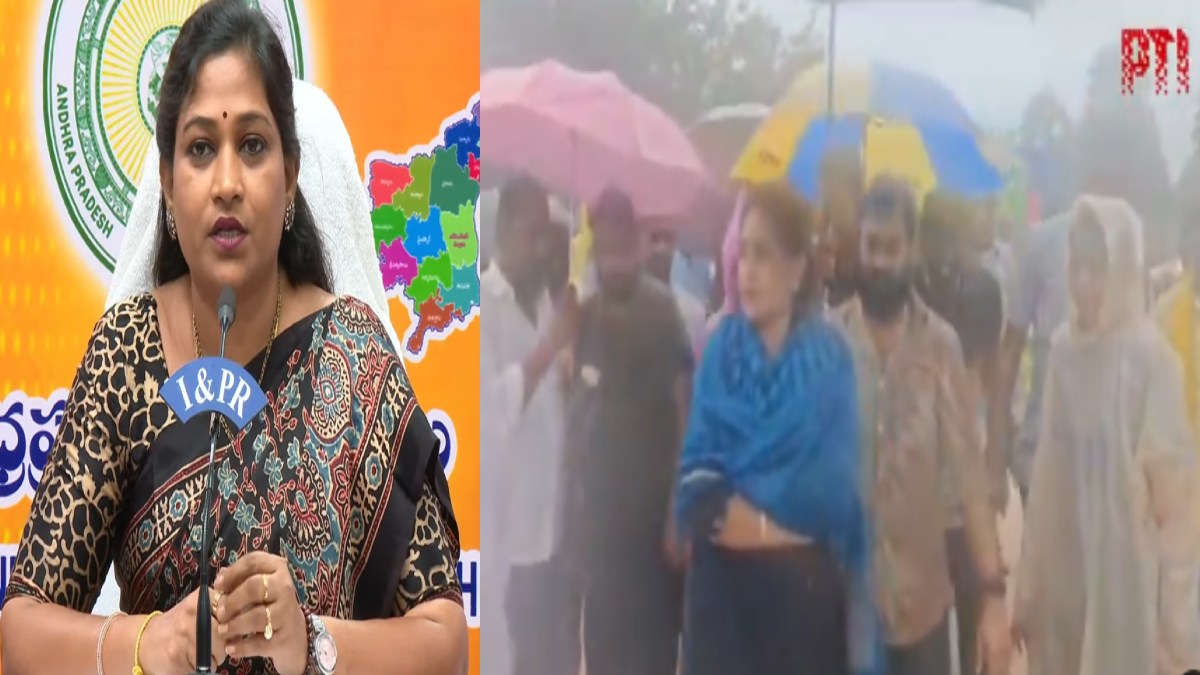
Andhra Pradesh Home Minister Vangalapudi Anitha has visited cyclone-affected areas in Payakaraopeta mandal of Anakapalli district as authorities assess the effect of Cyclone Arnab and monitor conditions in affected communities.
Residents of these areas are affected by severe weather and are not well-equipped to deal with damage to their homes, disruption to transport, power loss and lack of access to essential services.
These inspections are a key part of a cyclone response to ensure that officials can assess local conditions, hear residents’ concerns and coordinate with the relief and restoration teams. The visit also focuses on the preparedness of district authorities and support provided to families whose daily lives may have been affected by the weather system.
Payakaraopeta mandal is located in Anakapalli district of coastal Andhra Pradesh, one of the areas being highlighted in connection with the cyclone impacts. There are many weather-related risks for coastal districts during cyclonic periods, such as heavy rainfall, strong winds, waterlogging and damage to agricultural fields or infrastructure.
The impact on a village will vary from village to village and local geography, drainage systems, wind strength and rainfall, as well as the amount of rain in the area. Local administration teams are required to collect information on the extent of damage and the assistance required therefore, officials must assess it. The visit of the minister is a chance to review that assessments and identify such areas where residents may need immediate assistance.
VIDEO | Cyclone Arnab: Andhra Pradesh Home Minister Anitha visits cyclone-hit areas in Payakaraopeta mandal in Anakapalli. (Full video available on PTI Videos - https://t.co/d8jp61yd2p) https://t.co/cyuiEeULqt
— Press Trust of India (@PTI_News) October 28, 2026
With visits to affected areas of the country, government representatives usually meet local officials and community members in order to know what needs are being met. This might be restoring power and drinking water supply, clearing roads blocked by fallen trees or debris, checking damaged houses and helping vulnerable people. Emergency teams might also need to coordinate medical help, sanitation and the supply of essential commodities in areas where services are not operational.
Any information about the damage, casualties and evacuation or relief announcements has to be confirmed by district administration or state government. Cyclone Arnab: Andhra Pradesh Home Minister Anitha visits affected areas in Payakaraopeta.
Home Minister Vangalapudi Anitha now visits cyclone-affected areas in Payakaraopeta mandal of Anakapalli district as the state is responding to Cyclone Arnab and the damage done to essential services.
Heavy rainfall, strong winds and disruption are affecting coastal parts of Andhra Pradesh and the state must therefore take measures to protect people and repair services, as well as what to do to keep people safe, and how to resolve the damage, it seems, as the cyclone reaches the state. She has been in contact with the Payakaraopeta Assembly constituency and is taking steps to prepare for the cyclone and coordinate with its officials, she said.
Arnab crossed the Andhra Pradesh and Yanam coasts on 28 October 2026 after intensifying in the Bay of Bengal. According to the India Meteorological Department, the system made landfall as a very severe cyclonic storm with wind speeds between 125 and 135 kilometres per hour and gust speeds of up to 150 kilometres per hour.
The landfall was completed around 8 am and the system became a cyclonic storm. The storm started weakening off the coast but officials warned of heavy rainfall and dangerous weather in the affected districts.
Payakaraopeta and the entire Anakapalli region are critical to monitor as coastal communities could be hit by heavy rain, flooding, fallen trees, disrupted power lines and transport disruption during cyclones.
The extent of damage is affected by the rainfall intensity, drainage and wind, and the condition of local infrastructure. Ministerial visits allow officials to look at local reports, identify needs and communicate with the state administration the problems of the community. It also gives local authorities a chance to point out where emergency assistance and restoration work is needed. Cyclone Arnab: Relief Operations and Damage Assessment.
The cyclone also caused severe rainfall across Andhra Pradesh, with several districts in the region affected by torrential rainfall, while some districts in Andhra Pradesh experienced heavy rain. It was reported that Anakapalli and other coastal districts had heavy rainfall and strong winds uprooted trees and disrupted electricity supplies in some locations.
The authorities in Andhra Pradesh also set up relief shelters and arranged emergency support for those living in vulnerable areas as soon as it hit before the cyclone impacted the area where the cyclone struck. The immediate focus for such a disaster would be to investigate injuries, assess structural damage, clear roads, restore power and water supply for people in low-lying areas and keep people in those areas safe.
Anitha’s visit to the cyclone-hit areas is important because local representatives are a critical part of communicating residents’ needs to the government. In the aftermath of the cyclone, officials usually survey damaged houses, roads, drainage systems and public facilities in the villages and collect information from village-level administration teams.
Farmers also may need assistance if standing crops have been damaged by heavy rain or strong winds. Any compensation or relief payments, however, depend on official damage assessments and government announcements. Residents should only be informed by what is officially told by district authorities not through social media.
The Andhra Pradesh government had begun preparing before the cyclone even reached the coast. Emergency arrangements were reviewed, control rooms were opened and people in the area were advised not to travel during a time of high risk.
The warnings of the India Meteorological Department also helped the government to plan for heavy rain and strong winds. The emergency response teams—disaster-management personnel and others were on alert to assist in rescue and clearing up the fallen debris.
Such preparations are more important in coastal areas where strong winds, heavy rains and flooding can disrupt normal life even after a storm has passed. Press Information
What is going to happen next? The full implications of Cyclone Arnab are now being investigated and communities that have been affected are being brought back to normal.
District officials will need to examine the extent of damage to infrastructure, homes, agriculture and public services before deciding the next steps for relief. The cyclone is still affecting some areas, and such heavy rain can lead to waterlogging, flooding and more disruption.
People should avoid fallen power lines, stay away from flooded roads and follow all the advice given by local authorities and weather agencies.
As for Payakaraopeta and other parts of Anakapalli district, how quickly essential services are restored and how efficiently assistance is delivered to families in need will be the challenge for recovery.
Anitha’s visit has brought attention to the constituency’s situation in the face of the storm and how the administration is still working to overcome it. The coming days will be important for confirming damage reports, addressing urgent needs and supporting residents as they return to their normal routines.






Comments