
Visakhapatnam, Andhra Pradesh, has seen traffic disruption as heavy rainfall (partially linked to Cyclone Arnab) flooded the vehicular subway under the railway track at Convent Junction.
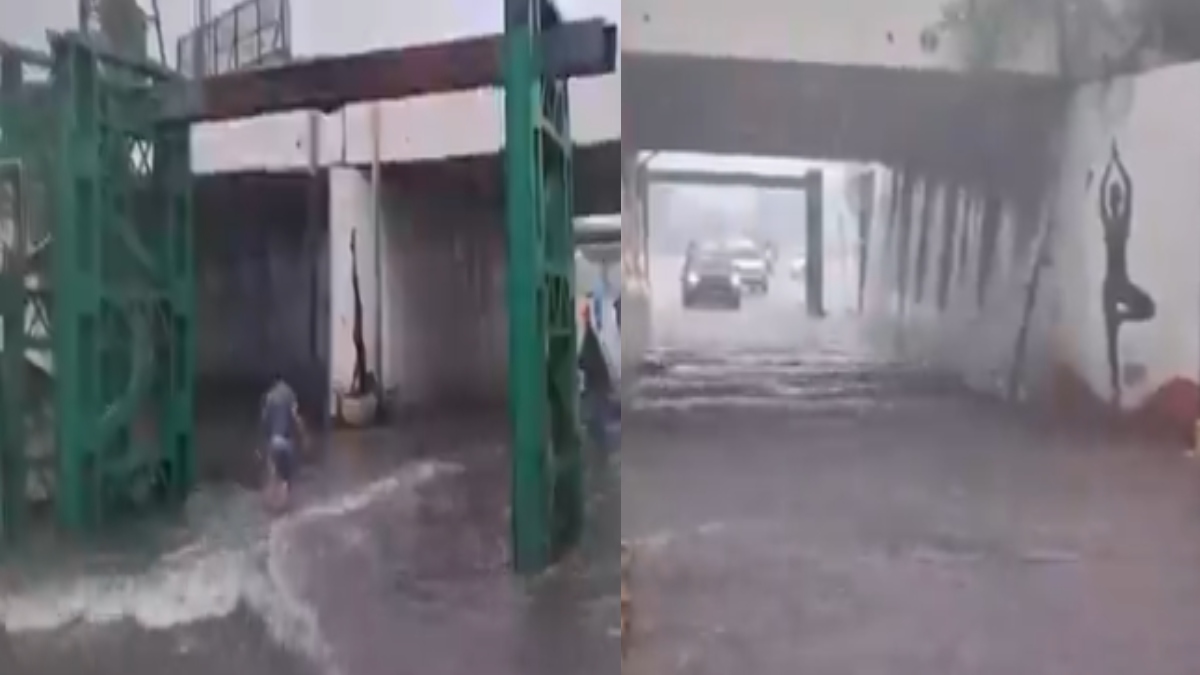
The rainwater has made it difficult for commuters to pass through the busy junction and as a result, road safety, vehicle movement and the residents' problems in times of heavy rainfall are faced. The flooded underpass is also a hazard to drivers and two-wheeler users and commuters might need to use alternative routes to avoid a delay.
The extent of waterlogging, the current condition of the subway and how long it takes to get back to normal traffic were not confirmed from the information provided.
Convent Junction is an important local road connection in Visakhapatnam and water accumulation at a subway beneath railway tracks can quickly affect everyday transportation. As roads with open drainage and multiple escape routes are relatively low-lying, an underpass is a low-lying area where rainwater can be collected when drainage systems fail to take it away properly.
In the midst of heavy rainfall, this problem is exacerbated if stormwater drains are overwhelmed or if rainwater flows into the subway from the surrounding roads. Consequently, even a relatively short stretch of flooded roadway can affect travel and cause difficulties for people on their way to work, schools, markets and other places.
The waterlogging has raised concerns about commuters crossing the affected stretch. Drivers can’t tell how deep the standing water is if the road surface and potholes are below it.
Two-wheelers are particularly vulnerable because water entering the engine or electrical components can cause vehicles to stall. Cars and other vehicles can also be stranded if the water is deeper than expected. Sudden braking, overtaking in narrow sections and moving in opposite directions may also increase the risk of accidents in a flooded underpass.
The subway was flooded with water and so many people who are still using the subway will have longer travel times and commuters will also be stuck in the traffic jam because of this. There will be congestion on the intersection of other roads as drivers slow, turn back or travel by other routes if they can’t make it through the junction. Public transport services and local commerce may also be affected if people’s transport services are disrupted and the road traffic is blocked because the traffic is not moving through the junction smoothly.
People who need to travel in the rainy weather can check local traffic information and schedule more time to travel in the rainy weather and to make it so that they can travel well during this very rainy period.
That is to say, the stormwater drainage and road maintenance is now very important. Vehicular subways are especially susceptible to flooding because rainwater flows down to the lower layers of the city.
#WATCH | Visakhapatnam, Andhra Pradesh: The vehicular subway beneath the railway track at Convent Junction has been waterlogged following intense rainfall triggered by severe cyclone Arnab. Commuters are experiencing traffic disruptions and navigation hazards across the area. https://t.co/2tTDpuwuW1
— ANI (@ANI) October 27, 2026
Drainage systems, pumping equipment and outlets are all required for heavy downpours, but they can block the flow of water and worsen waterlogging. When blocking and clearing blockages during the monsoon or cyclone season can be done early, the threat of a longer-term issue of flooding can be reduced, and authorities should also control the entry of vehicles until conditions are safe.
In high-risk weather, public safety should be above all other considerations and motorists should avoid crossing flooded roads when the depth or condition of the road beneath it is uncertain. A vehicle that appears capable of crossing may stall unexpectedly, leaving its occupants stranded in a potentially dangerous location.
Pedestrians should not enter fast-moving or deep water, especially near railway infrastructure and drainage openings.
The recent flooding at Convent Junction is a reminder that heavy rainfall can disrupt urban mobility in coastal cities such as Visakhapatnam quickly and severely. Cyclone-related weather can bring heavy downpours, strong winds and localized flooding, and this can add to the pressure on roads and drainage systems.
But the precise intensity and track of Cyclone Arnab as well as any official weather warnings about this situation should be determined by the India Meteorological Department and local authorities. It is not known when normal traffic will return once the subway is closed and water pumping operations have begun.
For now, commuters coming from Convent Junction should keep safe, avoid entering a flooded underpass and monitor traffic advisories on the road.
More information from municipal authorities and/or traffic police will be needed to see how the damage is being handled and how the water is being cleared. Until the waterlogging is addressed, road users should treat the affected stretch as a potential safety hazard rather than risk crossing it.




Comments