
An old video featuring Colonel Sunil Kotanal criticising the Agnipath recruitment scheme has resurfaced on social media, drawing renewed attention to concerns over military recruitment, training and long-term national security. The discussion comes amid public anxiety over reports of Chinese activity along India's borders, including Arunachal Pradesh.
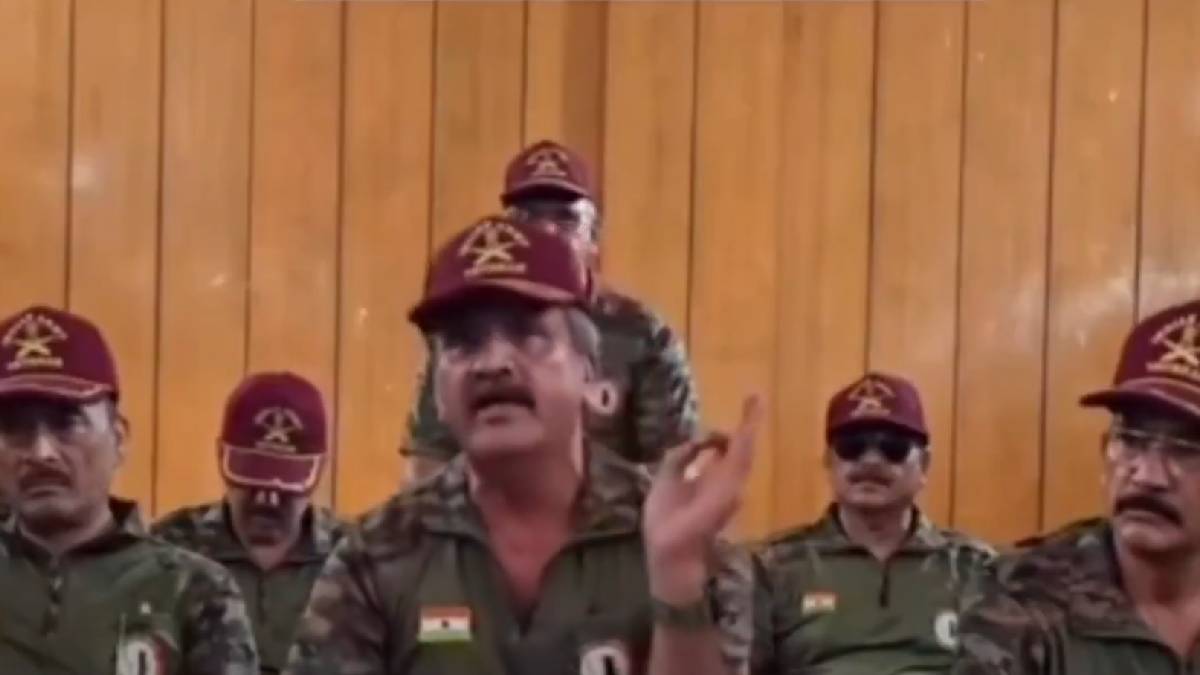
The Indian Army gave Modi govt a severe-dressing down!! 🔥 The "Agniveer Recruitments" weakened the Indian Army to such an extent we can't even imagine. > No one is ready to marry his daughter to Agniveers because of the elimination of pension scheme and short service span. > The Indian govt is compromising India's security. > Well trained Agniveers are being released when they are fully prepared to defend India. > And the most significant concern is that, currently almost all of India's neighboring countries are hostile towards it. Yet we are being forced to discharge well-trained Agniveer soldiers who are highly skilled in combat operations within regions like Kashmir and the North East's valley areas. Then how are we to deal with these hostile nations?
— Simpu Singh (@Simpu_SinghIND) October 27, 2026
Concerns Raised Over Short-Term Military Service
One of the concerns raised in the video is the limited scope for long-term military careers under the Agnipath scheme. The discussion also recalls earlier recruitment proposals, including the reported Tour of Duty concept, before the introduction of Agnipath and the recruitment of Agniveers.
Under the scheme, Agniveers serve for four years, after which up to 25% of each batch may be selected for continued service in the regular cadre. The remaining personnel leave the Armed Forces with their training and experience, but without the pension benefits available under regular service terms.
The video questions whether the military loses valuable trained manpower when personnel leave after four years. It also raises concerns about the investment made in training recruits who may not continue serving the country in uniform.
Why Was the Scheme Introduced So Quickly?
The criticism questions why the scheme, discussed before its launch, was introduced across the Armed Forces in 2022 without first conducting pilot trials in other uniformed services, such as the Central Reserve Police Force (CRPF), Assam Rifles or state police forces.
It also raises questions about the experts and committees involved in designing the policy, the feedback considered during its development, and the research or policy papers that informed the final decision. These questions form part of the broader debate over the transparency and evaluation of the recruitment model.
Is Budget Reduction the Main Objective?
The video suggests that reducing defence expenditure and long-term pension liabilities may have been major factors behind the scheme. It questions whether financial savings should take precedence over military preparedness, particularly when India faces security challenges along its borders.
The government's stated objectives include creating a younger Armed Forces profile, improving technological readiness and making trained personnel available for civilian employment after their service.
Recruitment Shortages and the COVID-19 Gap
The criticism also points to the recruitment disruptions during the COVID-19 pandemic, when military recruitment rallies were curtailed, and recruitment processes were delayed. It questions why the existing personnel shortfall had not been fully addressed before introducing a system in which most recruits leave after four years.
The broader issue is whether the short-service model can meet the Armed Forces' manpower requirements while retaining experienced personnel and maintaining operational readiness.
Is National Security Being Compromised?
The central question raised by the criticism is whether the financial and organisational advantages of the Agnipath scheme outweigh the potential loss of experienced personnel. With India facing continuing security challenges, the debate over recruitment, training, retention and military preparedness remains significant.
The video ultimately questions whether a major change to the Armed Forces' recruitment structure was introduced without sufficient testing and whether the long-term consequences for national security were adequately assessed.




Comments