
The Ethiopian Orthodox Tewahedo Church is one of the world’s oldest Christian traditions, with a distinctive liturgy, ancient religious practices and a long history in the Horn of Africa. Its traditions are closely associated with the Ge’ez liturgical language and have developed distinct characteristics over centuries.
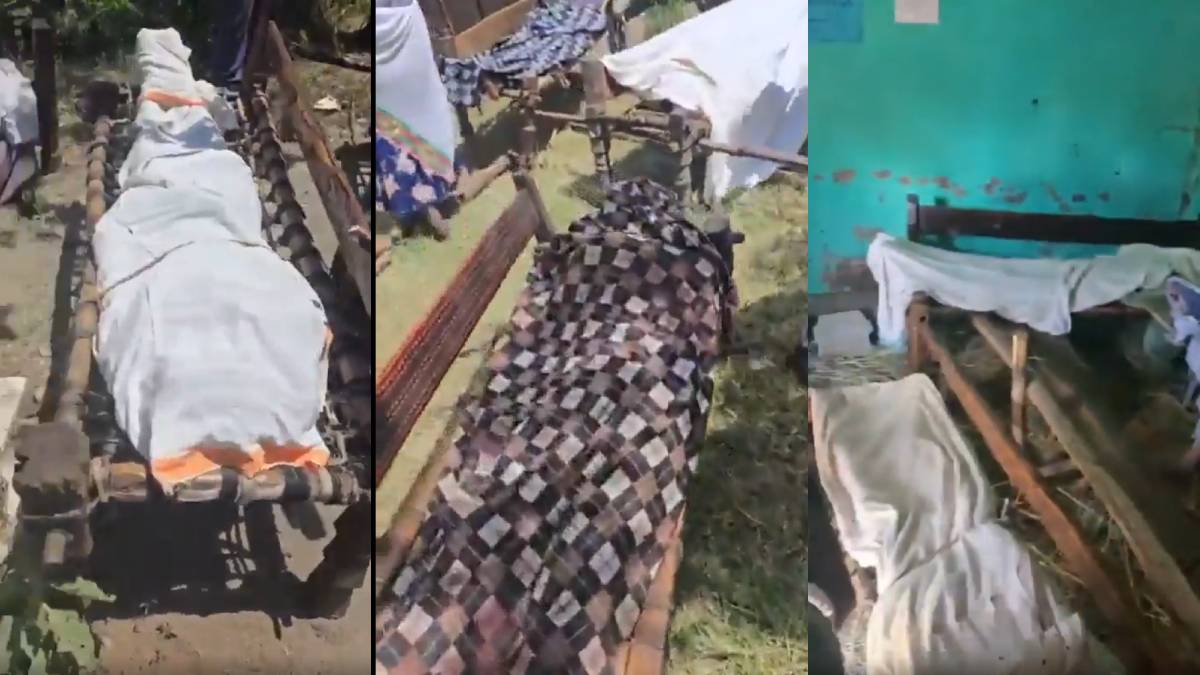
At least 60 people were reportedly killed in two attacks in Ethiopia’s conflict-hit Oromia region, according to the Ethiopian Orthodox Tewahedo Church. The reported killings took place in Merti Woreda on Oct 20 and Sherka Woreda on Oct 24, with 14 people reportedly killed in the first attack and another 46 in the second, while locals claimed that at least 5 of them were children. Over 20 homes were burned down while several people were injured. Responsibility for the attacks has not been independently established.
Who Is Responsible for the Attacks?
Oromia’s regional government has blamed the attacks on the Alliance for Survival, a recently formed alliance of armed groups that includes the Oromo Liberation Army (OLA). Officials have alleged that the violence was intended to inflame religious tensions, but publicly available reporting has not established who carried out the killings.
The OLA had not issued a response to the latest attacks at the time of reporting. The group has previously denied responsibility for violence it has been accused of carrying out. The church’s account did not identify the perpetrators, and the conflicting claims underline the need for an independent investigation.
Reports indicate that security forces reached the affected areas but were unable to stop the attacks. The violence has also renewed concerns over the safety of local communities, as residents reportedly are leaving their homes.
Years of Violence and Growing Security Concerns
The Ethiopian Human Rights Council, an independent non-governmental organisation, reportedly documented 458 deaths in the area over the preceding four years in a report released in July 2026. The report described repeated attacks against local communities, particularly Orthodox Christians.
The wider conflict in Oromia has affected people from different religious communities. Reports have also documented attacks against Muslim communities by armed groups, suggesting that insecurity in the region cannot be understood through religious identity alone.
Ethiopia’s Religious Demographics
Ethiopia has a large Christian population, with the Ethiopian Orthodox Tewahedo Church representing the country’s largest Christian denomination. Muslims also make up a substantial share of the population. The latest official national census dates to 2007, so current proportions are uncertain; that census recorded approximately 44% of Ethiopians as Orthodox Christians and 34% as Muslims.
The world seems concerned as to why the government wasn't able to stop such an incident and who is powering and providing arms for these attackers, unfortunately no proper news is coming out from Ethiopia about these attacks, and it is hard to understand the complexity of the region from an outside perspective




Comments