
Britannia Industries was fined ₹1 lakh for advertising that a bread product was “100% Whole Wheat” when whole wheat flour made up 62% of the product.
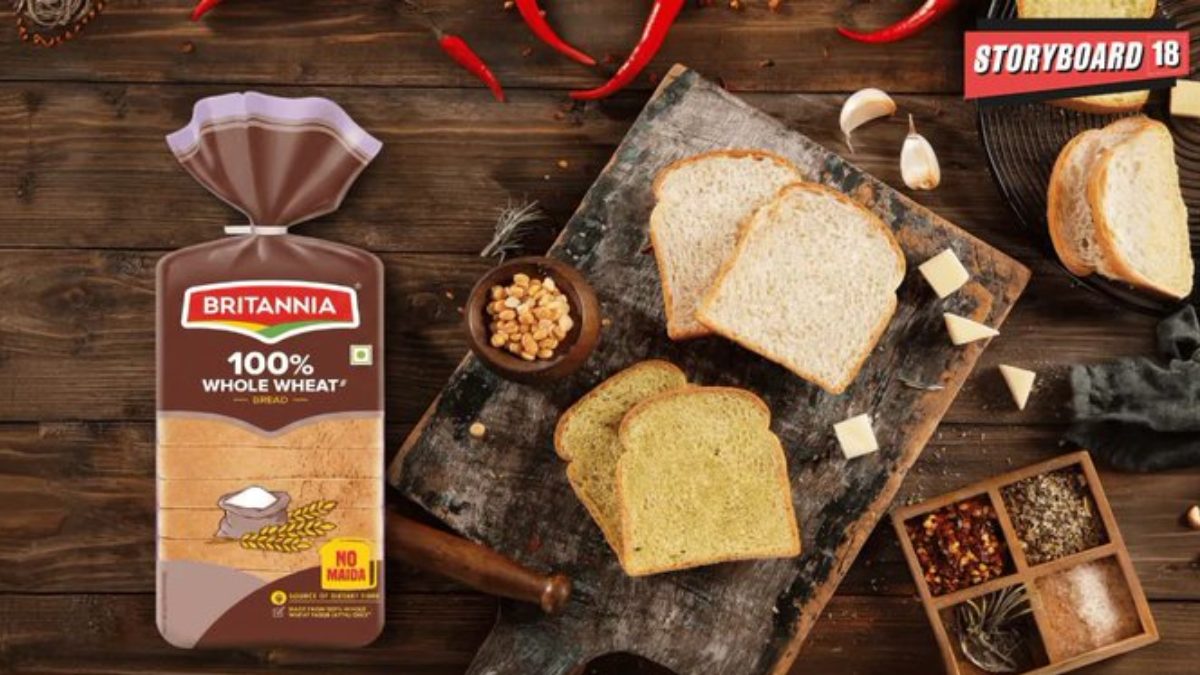
The case has raised questions about food labelling standards and advertising claims and why consumers need the information about the products they buy to be right.
Bread is one of the country’s staple foods and “whole wheat” and other such terms can be used to encourage consumers to buy a product that has more whole grain content or may be healthier than refined-flour bread.
If a product is advertised with the claim that is not true for what it is about and how the customers are getting that information to make a decision based on that, then transparency will not always be there and will be a big issue.
The reported penalty highlights the need of food companies to ensure their product packaging, advertisements and product descriptions are in line with the actual ingredients in their product.
The words “100% Whole Wheat” will be the most obvious statement that the product is whole-wheat based, and therefore has a very high level of meaning in terms of food laws.
If whole wheat flour accounts only for 62% of the product, then the other portion should be at risk of being taken for granted and advertising language should be able to accurately describe the bread. Which court brought the penalty, who is to blame and how was it ordered?
Food labels are vital for consumers to compare products. Ingredients, nutritional information, allergen labels and other statements are all there for consumers to identify what's being purchased.
And for people concerned with their diet, a whole-wheat product and one with some of it can be a very different thing. Families may buy whole-wheat bread not because its fibre content is higher, but because of its grain quality and less refined flavour.
But the nutritional value of bread is more and more about the entire ingredients list, serving size and fibre content and other nutritional information not just the words on the front of the package. This is why clear product descriptions are so important in the packaged food industry.
The case also brings the broader issue of food advertising into focus. That is, short phrases on packaging could communicate product features quickly, but the product’s nature, composition or benefits must not mislead consumers.
“Whole wheat,” “multigrain,” “high fibre” and “made with whole grains” are different words that cannot be considered interchangeable. When marketing language imparts an impression that is different from what is actually in the product, regulators might want to see whether the claim is safe and consumer-friendly.
The Central Consumer Protection Authority (CCPA) said that the “100%” wording could mislead an average buyer because it implied that the finished bread was made of whole wheat.
Britannia argued that the claim was for the flour in question, meaning whole wheat flour was the flour source, not refined flour (maida). But the authority denied that interpretation, arguing that the overall impression of the prominent claim would matter to consumers.
Britannia said it would withdraw the disputed advertisements from print, electronic and social media and submit a compliance report within 15 days. The order was dated October 22, 2026.
The ruling also draws attention to food labelling requirements. According to documents reported on the case, whole wheat flour was required to make up at least 75% of bread labeled “Whole Wheat Bread.” But the regulator’s worry wasn’t that bread was made of something other than flour (water and yeast are necessary), but that the “100% Whole Wheat” claim would give shoppers an inaccurate impression of the material.
This is important because consumers should be able to see product claims without having to look up at the small print to know what the main label means.
The case is a reminder for consumers to read the ingredient list and nutrition panel instead of relying exclusively on claims printed on the front of a packet. Checking the percentage of whole wheat flour, fibre content, serving size and complete ingredients can help shoppers compare different breads.
A product described as brown bread, wheat bread or whole wheat bread may not have the same composition or nutritional profile as another product carrying a similar description.
Consumers should also remember that a “100%” claim does not automatically mean a food is healthier in every respect; nutritional quality depends on the full formulation and how much of the product is consumed.
To the packaged food industry, the penalty reinforces the need for advertising claims to be substantiated and information to be delivered clearly. The big, bold wording will have a strong effect on purchasing decisions when people are hungry for simple everyday foods to feed their families.
The Britannia case could be an incentive for food companies to verify product names, labels and websites and promotional material to ensure that the product is the best product. In the end, clear food labelling can build trust between brands and buyers, and misleading information can hurt confidence in the wider market.
The ₹1 lakh fine may be small for a large company, but that is because food advertising needs to be honest and consumers need to know what they’re buying.







Comments