
A United Nations report has raised concerns about deficiencies in water and land management in Pakistan’s Sindh province. Data reliability is unreliable, water use is tracked and resources are used in the wrong way and so on, it says. These problems could affect agriculture and the supply of water in the cities and the environment in the region.
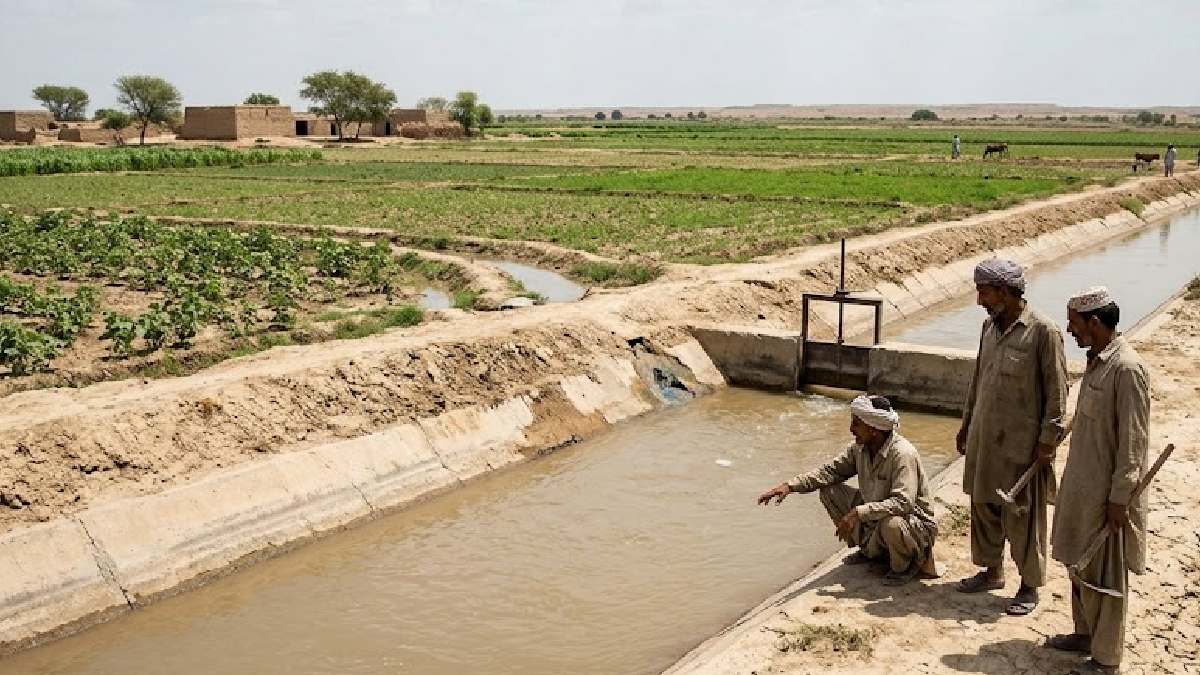
The Food and Agriculture Organization (FAO), a global organization of the United Nations, produced the report titled Water and Land Accounting in Sindh: Quantifying Water Availability and Uses. The province’s land and water resources, it says, need to be thoroughly researched to make better decisions in government.
In Sindh the water management system is getting more complicated with irrigation systems, urban supply networks, local storage facilities and drainage infrastructure serving different needs.
The systems need to understand how to work in conjunction to determine how much water is available and how it is being used.
One of the main concerns raised in the report is the quality of official agricultural data. The Crop Reporting Service reports on cultivated land and agricultural activity but its methods may not be accurate.
Survey procedures, land boundaries, sample selection and district coverage are to be reviewed, the report suggests.
The assessment also shows differences between irrigated areas recorded by the Crop Reporting Service and canal command areas documented by the Sindh Irrigation Department.
Such inconsistencies make it very difficult to assess the real extent of the canal operated land and distinguish it from groundwater or rainfall.
To plan irrigation, estimate agricultural supply and distribute water for farming, reliable information is essential. When official statistics do not accurately reflect the reality on the ground, policymakers may not be able to identify any shortages or direct resources to the areas that most need them.
The report also suggests changes in the province’s water infrastructure. Drinking water networks, industrial supply systems, small dams and local storage facilities have expanded the ways water is collected and distributed. But existing monitoring and reporting systems don’t always capture such developments.
Lakes, reservoirs, and drainage networks also play a role in water availability and use. Better operational records would help authorities understand their role in meeting agricultural, household and environmental requirements.
The FAO recommends a more integrated system to assess water resources. If done so, rainfall, groundwater, river flows, canal diversions, reservoirs and drainage outflows would be part of the data. Combining these figures would then give more context to the province’s water balance.
The report also recommends annual and seasonal water accounts for agriculture, households, industry and environmental needs be maintained.
Such assessments might help officials compare water availability with demand, identify regional differences and strengthen long-term planning.
Climate change has made these improvements that much more important. Rainfall, weather changes and monsoon seasons are so variable that there are impacts on water supply and agriculture that can be felt. Better data and monitoring would help us face those challenges.
The findings underscore the need for data collection, coordination of government departments and water governance in Sindh. If the recommendations are implemented, irrigation could be more efficient, agricultural planning could be improved and the environment may be protected because water sources are never depleted.
The report also points out, in the end, that accurate water accounting and transparent resource monitoring are major steps in sustainable water management in Pakistan’s Sindh province.





Comments