
Apple’s iPhone sales have dropped up to 30 percent in India during the Dussehra period, as high prices, fewer promotional offers and cautious consumer spending have taken a toll on smartphone sales.
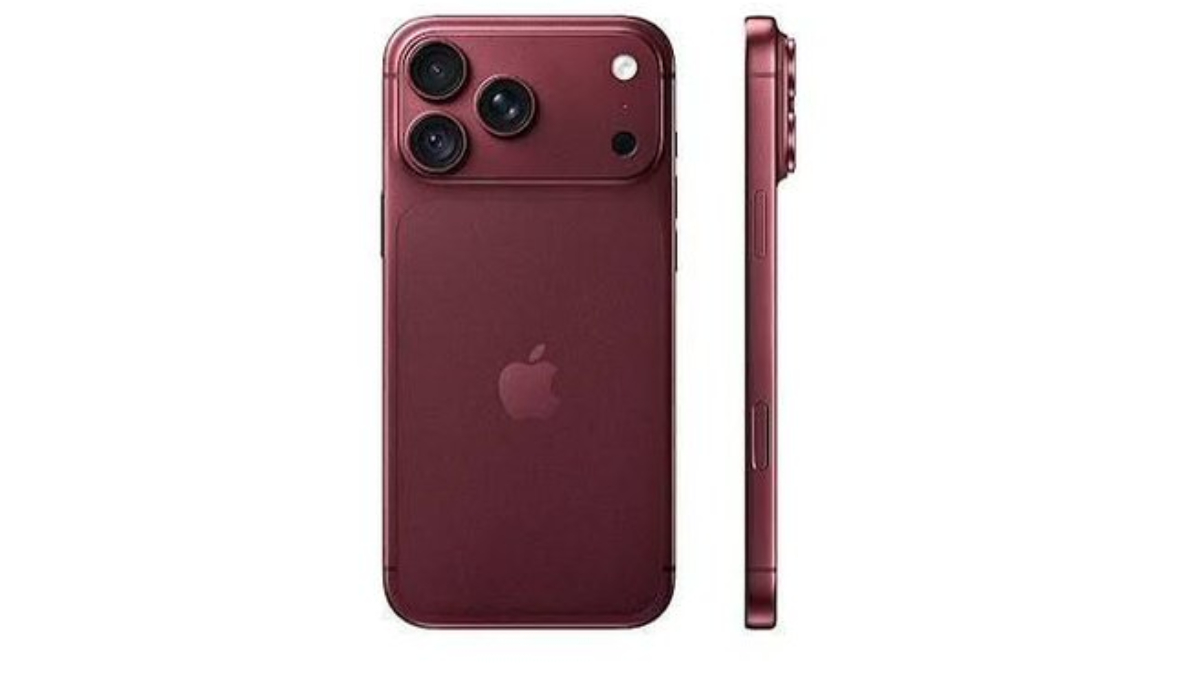
And that’s a big deal because retailers have said that demand could be weak during Diwali, and Apple is in a tough spot in one of the world’s largest smartphone markets.
The market’s decline shows that affordable products are more desirable in India and even those users who like high-end smartphones are putting off buying when the money-making opportunities of festivals are so few.
One factor behind the slowdown is the jump in price of Apple’s smartphones across all sectors. Retailers have reported weaker demand for older models such as the iPhone 15, iPhone 16 and iPhone 17 series, after price cuts and the end of discount and financing schemes.
In past festive seasons, customers were often waiting for older iPhone models to be priced more cheaply through online sales, exchange deals and instant bank discount coupons.
So some people have less to choose from with fewer options for upgrades and are sticking to their current phones rather than paying more for a new one. In this way, the changes in consumer behavior could affect online marketplaces (and also offline mobile retailers, which usually do better in the festival season) that have higher sales during a big festival.
This is also indicative of a larger trend in smartphone buying behavior. Consumers are using phones for a longer time, especially as their current phones are still doing great. People are waiting for an upgrade in features or a more attractive price before getting one - rather than upgrading every few years.
That longer replacement cycle can be particularly challenging for premium brands because their products depend on customers being willing to spend more for new technology.
Higher prices are likely to narrow the pool of customers who can comfortably afford an iPhone, and when there aren’t deep discounts, it’s hard for them to convince someone else to buy an iPhone during the festive season.
The timing of Apple's product launches may also have influenced demand. Industry analysts cited in reports have pointed to a lack of iPhone 18 launch alongside the Pro models in September as a factor contributing to seasonal demand.
Some customers may prefer to wait for a wider range of devices or for a model that better fits their budget. If purchases are delayed and not cancelled, a bit of the demand could shift into the first quarter of 2027. But the true impact will be determined by launch timing, pricing, product availability and the attractiveness of offers in the coming months.
Retailers are also facing an inventory challenge. Many distributors and shops had stocked up on older iPhone models ahead of the festive season, expecting sales to rise during Dussehra and Diwali.
When purchases didn’t meet expectations, unsold inventory began building up across distribution channels. Currency fluctuations and import-related challenges have added pressure for some traders, although retailers have identified weak consumer demand as the main concern. If demand does not recover during the remaining festive period, retailers may need to reassess their inventory and pricing strategies.
But the slowdown does not mean that customers have lost interest in every new Apple device, the news says. There are reports that the iPhone 18 Pro and Pro Max have faced supply constraints, while the newly introduced iPhone Duo has experienced limited availability despite customer interest.
So it is not the same problem as the lack of demand for older models: people may want to buy a new phone but cannot easily find available stock. Retailers have also raised concerns about product allocation and access to saleable inventory.
Such supply issues underscore the need to differentiate between products that aren’t getting traction and products for which demand may exceed immediate availability.
Despite these challenges, Apple still enjoys a dominant position in the premium smartphone market in India. According to market data cited in recent reports, Apple accounted for 27% of India's smartphone market by value in the June quarter of 2026 and is still a key player in the high-end market, even as price-sensitive consumers become more cautious.
The reported decline in festive sales should be viewed separately from annual shipment estimates: retailer sales around Dussehra and the number of devices shipped across the year are different measures.
Industry reports have suggested that India's iPhone shipments could decline in 2026 compared with the record 14.3 million units shipped in 2025, but the final outcome will depend on demand and supply conditions over the remainder of the year.
🚨 Apple iPhone sales fall up to 30% in India as high prices curb festive demand. https://t.co/YT5VriEt3e
— Indian Tech & Infra (@IndianTechGuide) October 28, 2026
Looking ahead, Apple's festive performance in India will depend on whether the company and its retail partners can make its devices more accessible without relying solely on premium positioning.
Competitive exchange offers, financing options, attractive discounts and adequate stock could help encourage customers who are currently delaying upgrades. At the same time, consumers will continue weighing the benefits of a new phone against the cost of keeping their current device for another year.
The reported decline of up to 30% around Dussehra is therefore an important signal for the smartphone industry: brand popularity alone may not be enough when prices rise and promotional incentives shrink. Whether Diwali sales improve will be a key indicator of how Indian consumers respond to Apple's pricing strategy and the wider premium smartphone market.






Comments