
India’s political conversation is now in social media and the rise of the Cockroach Janata Party (CJP) is an exception to the rule as it is part of the way that internet culture can challenge existing political voices. A movement started with satire and memes has attracted millions of followers and has not only drawn attention to the concerns of young Indians but also to the changing nature of political communication.
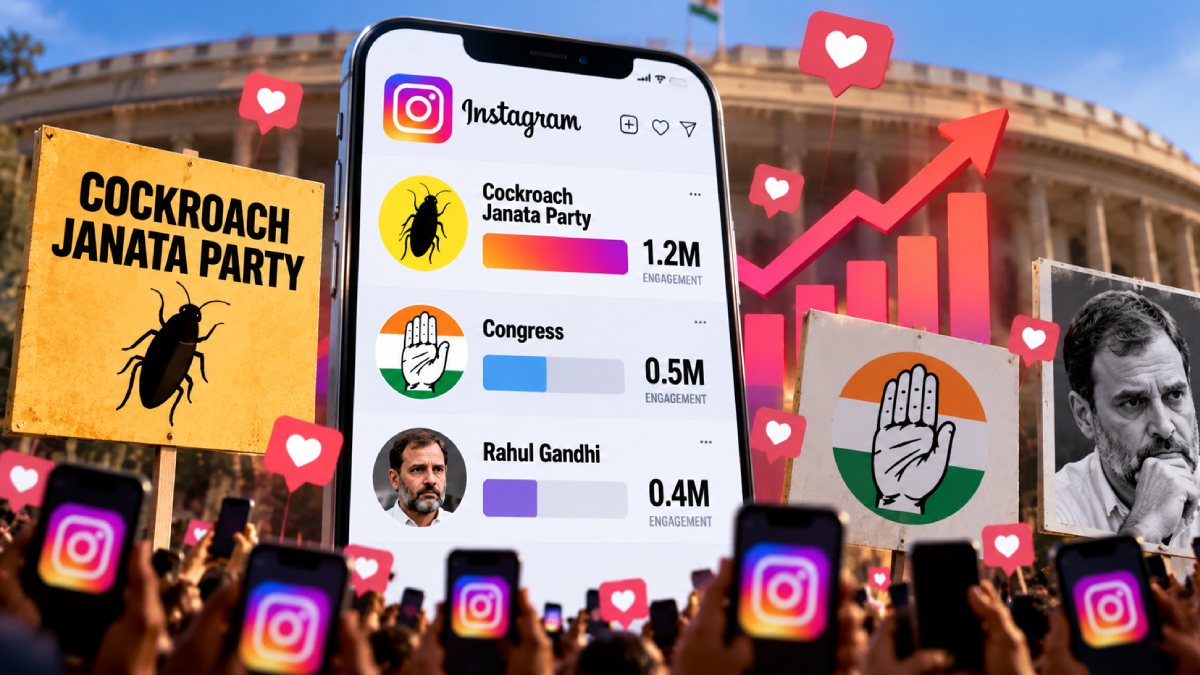
As its Instagram followers grew by more than a factor of 10, the group quickly overtook those of other big political parties like the BJP and Indian National Congress. Its explosion also highlights the extent to which political figures and organisations get to know audiences online.
How the Cockroach Janata Party became popular
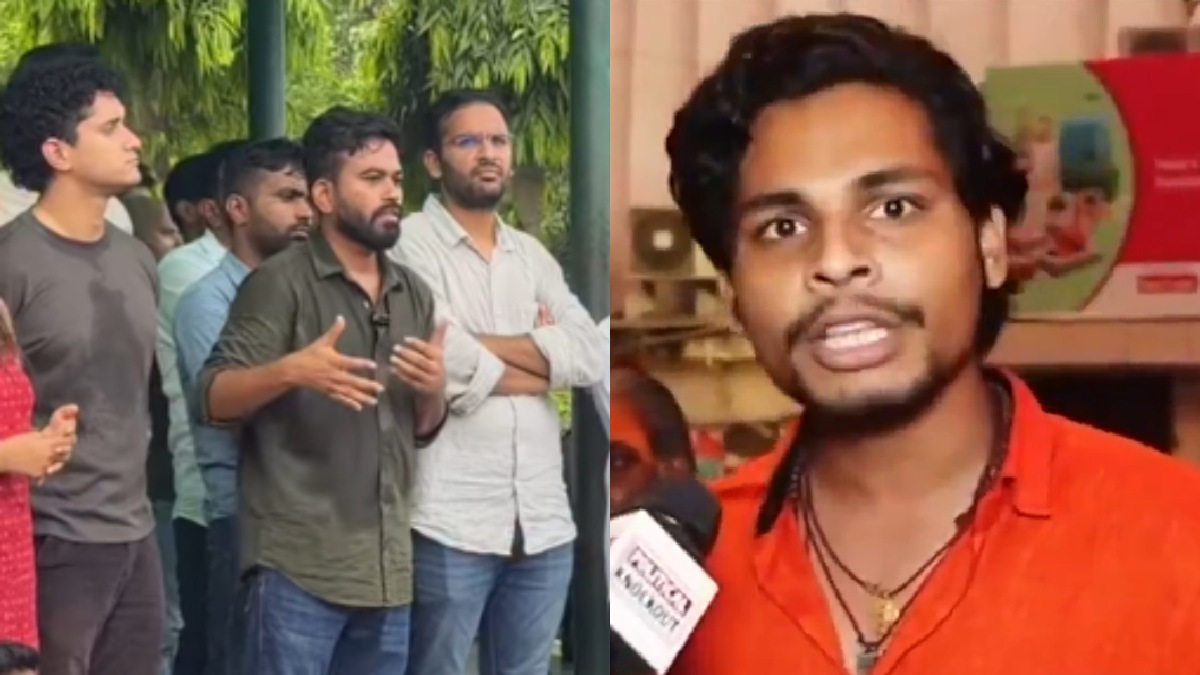
The Cockroach Janata Party started in May 2026 as an online satirical movement founded by Abhijeet Dipke. The name was inspired by comments made by Chief Justice of India Surya Kant on people associated with unemployment and activism. It triggered online responses and the cockroach image was used by the movement as an image of resistance and persistence.

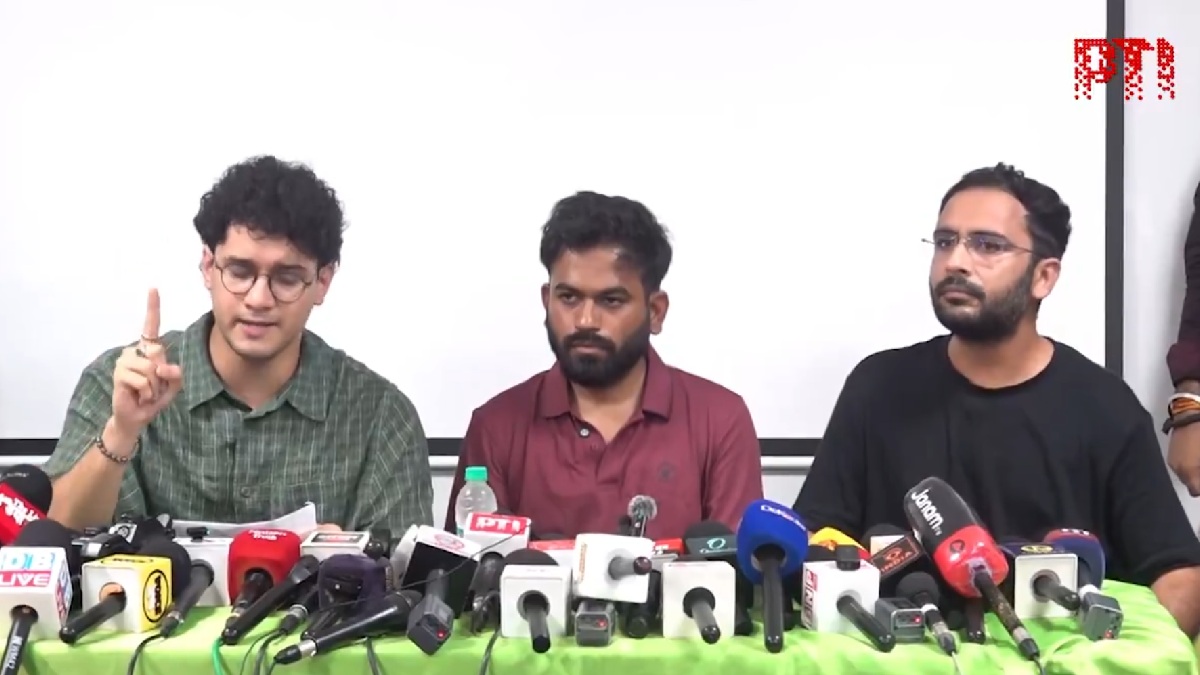
The group used humour, political satire, memes and social media posts to draw attention to the group. Instead of the usual political party-type methods used by established political parties, they set up a platform for fast sharing and online conversations, building on content that was meant to be shared at an online forum.
Its self-defined identity as a voice for the unemployed and those frustrated with the system helped it connect with younger audiences. Topics associated with the movement include unemployment, inflation, examination-related controversies, political accountability and concerns about representation.
The movement’s rise is also evidence that a strong public statement can take on a life of its own when social media users are there to amplify it.
CJP Surpasses major political parties on Instagram
The growth of the movement was particularly remarkable because it happened quickly. In May 2026, media reports mentioned, the CJP had reached 15 million Instagram followers within days of the emergence of the movement and overtook the official Instagram accounts of BJP and Congress at that point.
The milestone was significant as Congress had previously enjoyed a larger Instagram presence compared to other major Indian political parties. The CJP’s rapid rise challenged that position in a digital age where established organisations generally have substantial resources, large communication teams and years of online presence.
But follower numbers can change quickly. Figures during the movement's initial surge should not be used as current totals without checking the relevant accounts.
It is also important to distinguish between followers and engagement. Follower counts measure the size of an account's audience, while engagement may be likes, comments, shares and other interactions with individual posts. A claim that one account has been ahead of another account in engagement therefore requires comparable data covering the same period and using the same measurement method.
Why Young Indians Are Responding to the Movement
The appeal of the CJP seems to be linked to the subjects it talks about and the way it speaks about them. Unemployment, competitive examinations, rising living costs and concerns about institutional accountability are the issues that affect many young Indians.
Memes and satire provide an easy way to express frustration with those subjects. They can make political commentary easier to share and encourage people who might not regularly follow traditional political discussions to participate in online conversations.
The growth of the movement also mirrors the reach of digital communities. A viral post can reach users far beyond an organisation’s original audience and reposts and reactions can keep a topic in the public eye.
But popularity on the internet doesn’t mean every follower agrees with the movement’s stance. Some may follow an account for its humour, others for its political commentary and some just because it’s trending.
What Its Rise Means for Indian Politics
The popularity of the CJP shows the increasing importance of social media in political communication. The established parties and leaders are increasingly competing on short videos, pictures and hands-on interaction with the audience.
For political organisations, the challenge is not just to get more followers but to remain credible, encourage meaningful participation and communicate consistently with the public.
The CJP’s experience also raises questions about how long a movement that gains momentum online can sustain its influence beyond social media. Building an audience is different from building an organised membership, maintaining a long-term campaign or translating public attention into electoral support.
But the movement has attracted attention partly because its identity mixes humour and criticism of established institutions. What it can do to maintain that appeal at least for a long time will depend largely on its direction, organisation and ability to address the problems that brought people to its platforms.
Instagram popularity does not mean electoral strength.
The rise of the CJP should be taken as a social media phenomenon rather than an indication that it is outstripping established parties in electoral strength. Congress, the BJP and other recognised political organisations have extensive structures, local networks, candidates and campaign operations that cannot be measured by Instagram figures alone.
Similarly, the online performance of Rahul Gandhi or any other political leader cannot be measured by followers only. Engagement varies with the type of post, the size and interests of an audience, the timing of publication and how platforms distribute content.
The larger takeaway is that India’s political landscape is becoming influenced by new ways of online participation. The Cockroach Janata Party has shown how satire can bring attention to serious public problems but it will take time for the effect of that attention to translate into sustained civic engagement and action for that to happen.






Comments
Leave a Comment