
When the weather is bad for India, temperatures may get higher, and rainfall patterns will be more unpredictable due to El Niño. According to a weather outlook issued by the World Meteorological Organisation (WMO), India and other regions of South and Southeast Asia will experience warmer-than-normal weather conditions between November and January.
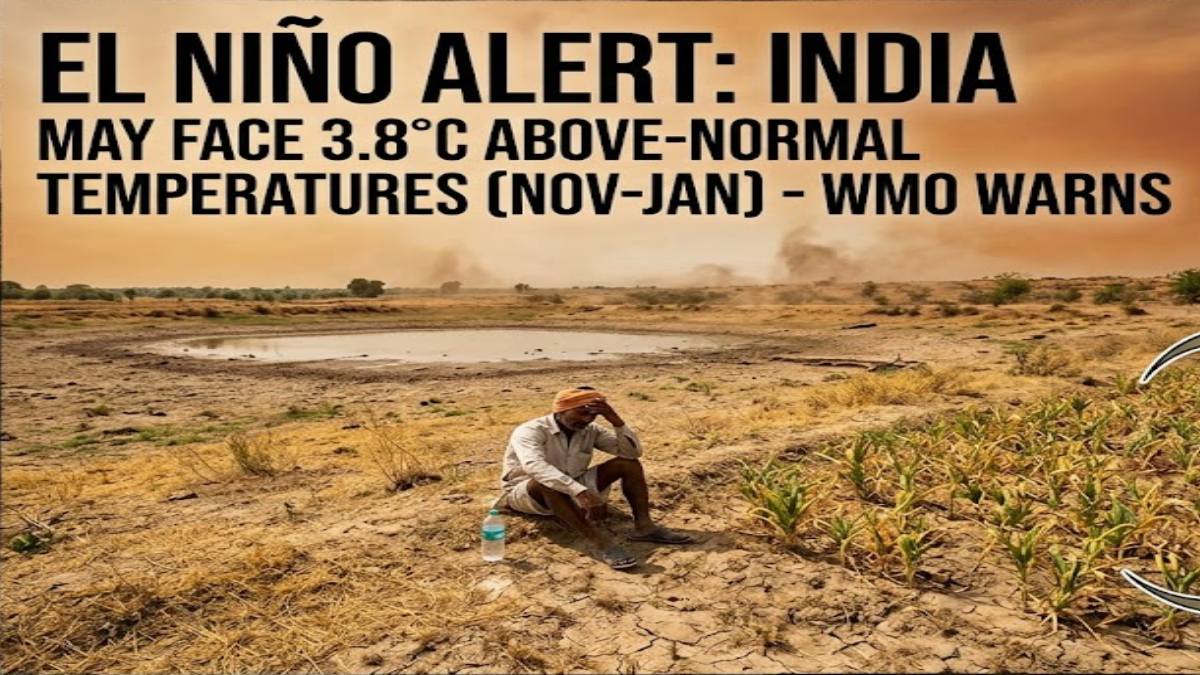
Farmers, weather experts and the general public are worried that this will have an impact on agriculture, water supply, and daily life. The same outlook also indicates that the global weather pattern could change drastically towards the end of the year. But the temperature increase and the regions affected are to be considered in the framework of the official regional forecast.
El Niño is a risk factor for global weather conditions, the big reason for concern over global weather. El Niño is a natural climate phenomenon associated with warmer-than-normal sea surface temperatures in the central and eastern equatorial Pacific Ocean. It can affect the weather in regions with more or less regularity, and how much the weather in different parts of the world and hence rainfall and temperature changes, can be influenced by El Niño, so that global weather conditions become more or less erratic and change from one region to another.
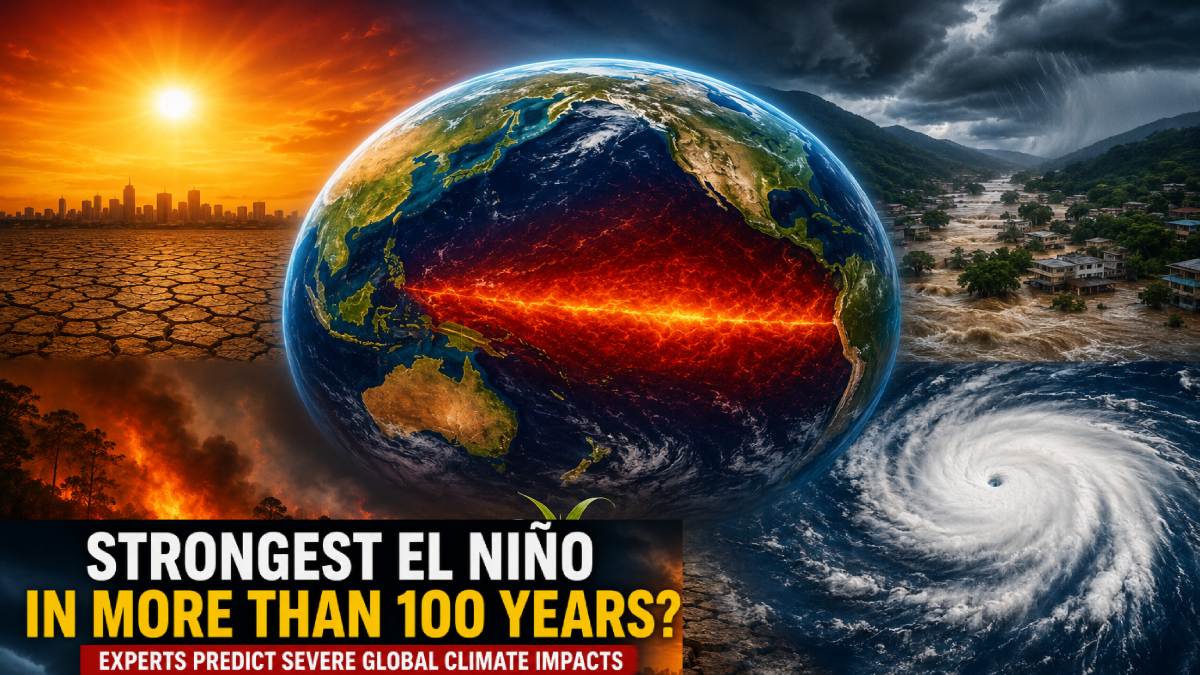
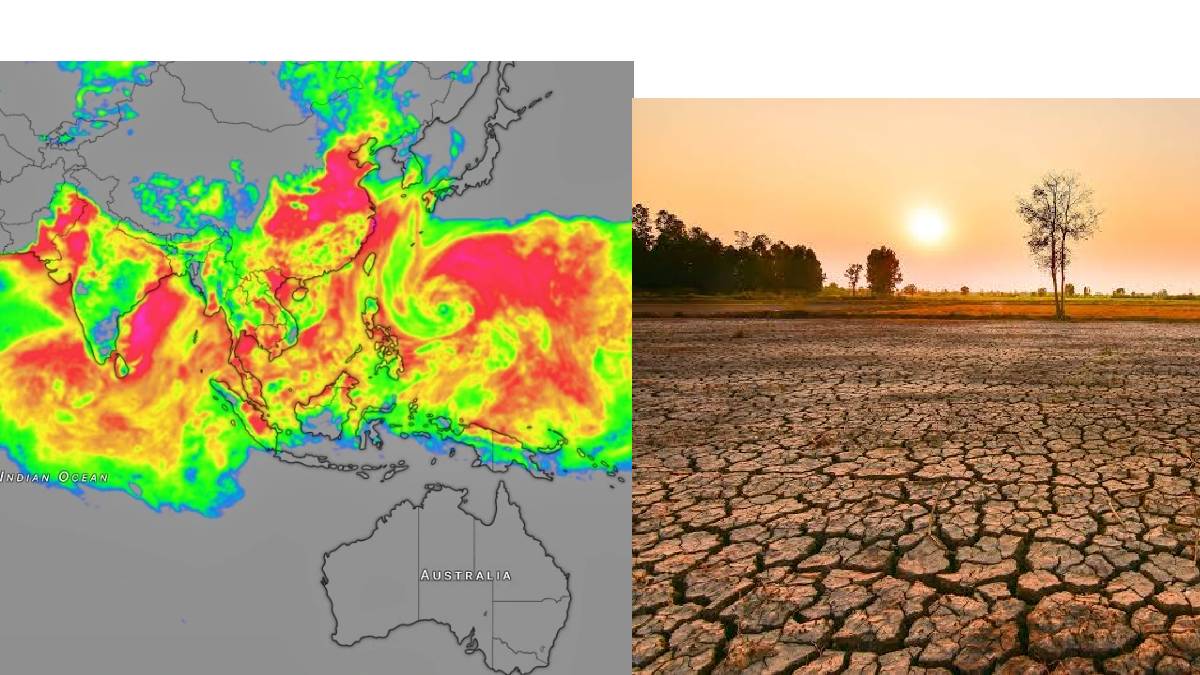
The strength and duration of an El Niño event can considerably affect how it affects different countries. As the phenomenon can cause droughts, heatwaves, and flooding risk, its effects are not consistent and local weather conditions depend on other atmospheric and oceanic factors as well.
The forecast notes that temperatures across India and South Asia could remain above seasonal averages during November to January. A figure of 3.8 degrees Celsius has been highlighted in connection with the projected temperature increase, but one must be able to distinguish whether this is a regional anomaly, a climate indicator, or another measure before treating it as a uniform increase in temperature across India.
A temperature anomaly is the difference between the forecast temperature and a historical average (the total average temperature over time). So, not every city will see the same temperature increase, and residents are advised to follow the weather forecast by the India Meteorological Department (IMD) for it and for any official heat-related advisories.
The possible effects on agriculture are another major concern. In most parts of South Asia, the October-to-December period is very important for agricultural operations (sowing, crop production, and soil moisture management). The distribution of rainfall can affect irrigation demands, groundwater supply, and the health of crops.
If rainfall levels fall below the normal value in vulnerable agricultural regions, farmers may face higher water costs and pressure on already limited water resources. Unseasonal rain in other areas will result in the destruction of crops, disrupt harvesting, and affect the quality of agricultural produce. Farmers will need to pay more attention to local weather information, soil moisture conditions, and agricultural advisories to make decisions on irrigation, crop protection, and farm operations more closely than they do in the future.
And agriculture is not the only thing at stake - so are household, business, and public infrastructure. Higher temperatures can increase electricity demand as people rely more on fans, air conditioners, and cooling systems. In areas already suffering from water shortages, longer dry periods can make it even more difficult for drinking water suppliers and local reservoirs.
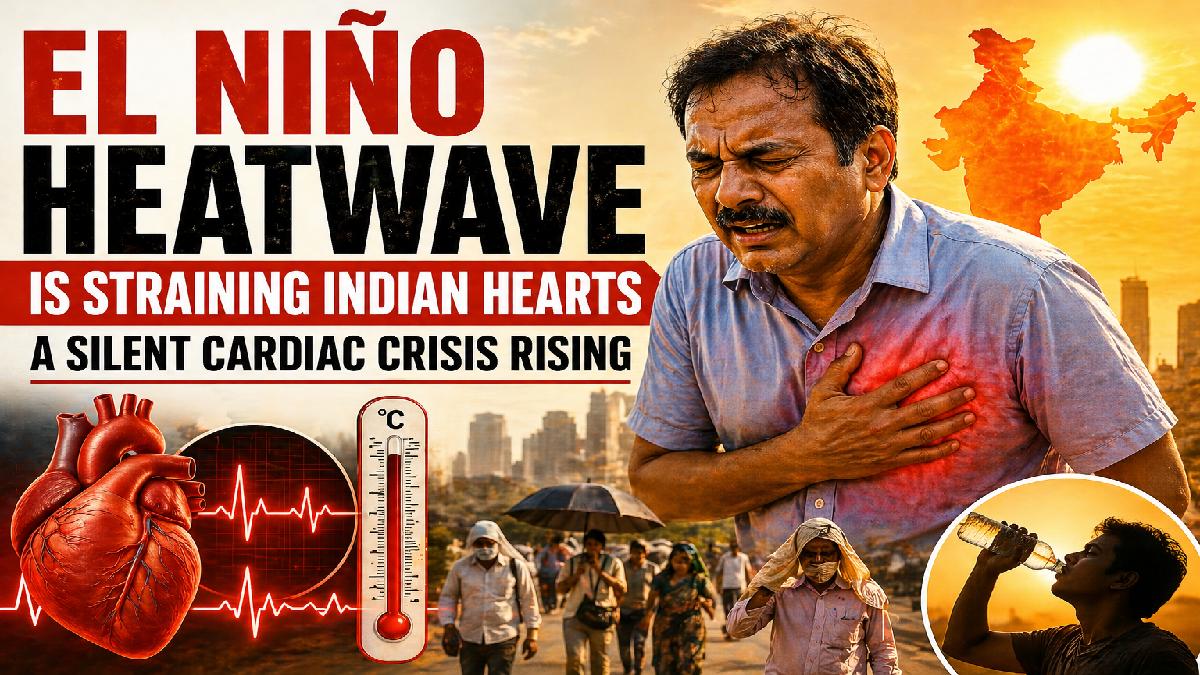
Outdoor workers, older adults, children, and people with limited access to cooling facilities may be especially vulnerable during periods of extreme heat. Public authorities may need to strengthen heat-response plans, monitor water availability, and communicate timely warnings if unusually warm conditions develop.
Communities in flood-prone areas should also be on alert for the risk of flooding, as climate variability in El Niño can result in different outcomes in different regions, and not all regions in a particular area of the world will have the same climate variability and drought patterns.
El Niño can impact the world beyond South Asia. The WMO outlook for East Africa indicates that above-normal rainfall is possible in parts of East Africa, leading to concerns about heavy rain and flooding. Some parts of southern Africa could see drier conditions, while parts of North and South America may begin to experience increased precipitation.
These contrasting patterns indicate how global changes in tropical Pacific Ocean temperatures can affect atmospheric circulation. But how much the climate event can affect the climate in each region and the climate system itself is affected by it in conjunction with other weather systems in that region at the same time. Seasonal outlooks are more like probabilities, and for that reason, monitoring and regular tracking and updates are required.
WMO Secretary-General Celeste Saulo has highlighted the urgent need to reduce greenhouse gas emissions and be more proactive to avoid the consequences of climate change, according to the report. El Niño is a natural phenomenon, but global warming and climate change are adding to the risk of extreme heat in many countries worldwide. The two processes are different, but they can interconnect and lead to a greater risk for the communities already being exposed to heat, droughts, or flooding.
What is expected for India over the upcoming months will require careful monitoring of rainfall trends, temperature forecasts, and agricultural conditions. Residents should follow official weather bulletins, conserve water where necessary, and take precautions during unusually hot periods. Farmers need to look up district-level agricultural advisories and consult local agricultural advice before sowing, irrigation, and harvesting.
Local government departments and authorities can also prepare by improving early-warning communication and identifying communities that may need additional support. Although the severity of the forecast conditions remains subject to updated assessments, the potential influence of El Niño underlines the importance of climate preparedness, reliable weather information, and long-term measures to reduce greenhouse gas emissions.





Comments
Leave a Comment