
The FSSAI has alleged PepsiCo India misled consumers by calling its beverages Sting Energy and Adrenaline Rush energy drinks. The regulator said the company is using the description deliberately though there is no separate regulatory standard prescribed for an ‘energy drink’ category.
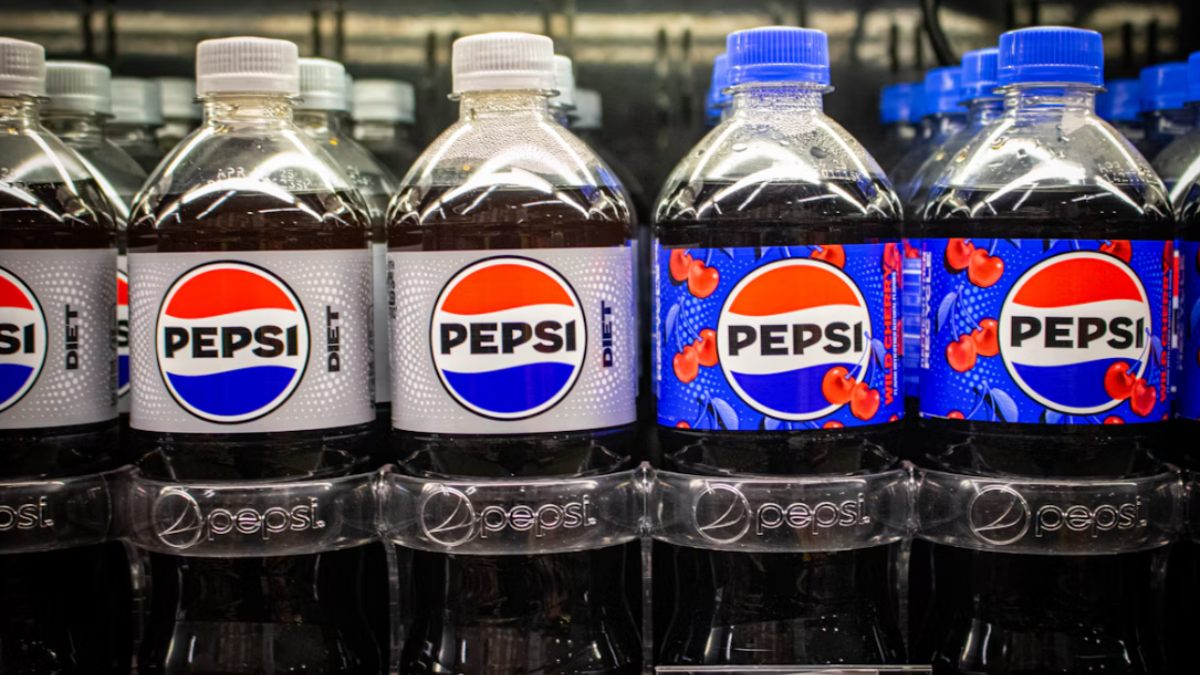
The dispute has gone to the Delhi High Court where PepsiCo is challenging directions of food regulator on product labelling. FSSAI defended its action saying use of term could mislead consumers about nature and functional benefits of products.
The case has also raised questions about regulation of high-caffeine beverages in India (marketing, nutritional disclosures and consumption by younger consumers).
What Has FSSAI Alleged Against PepsiCo?
In its submissions to the Delhi High Court, FSSAI said PepsiCo markets Sting Energy and Adrenaline Rush using the ‘energy drink’ description in order to mislead consumers.
The regulator said PepsiCo “knew its products had to meet the standards for caffeinated beverages but continues to use the energy drink descriptor in branding and marketing.”
FSSAI says India does not have a separately notified standard for an ‘energy drink’ category. It has said food businesses cannot use product descriptions which could amount to misbranding or create misleading impressions among consumers.
In court filings from October 28, 2026 the regulator said the label was being used “in an attempt to ‘dupe’ consumers”. It also flagged caffeine and sugar content of such drinks as well as ingredients (like taurine).
These are allegations made by the regulator and remain part of an ongoing legal dispute.
Which PepsiCo Products Are Under Scrutiny?
The dispute is really about two PepsiCo drinks:
- Sting Energy: A carbonated caffeinated beverage PepsiCo launched in India in 2017. It has become one of the company’s flagship products in a very competitive beverage market in the country.
- Adrenaline Rush: Another PepsiCo beverage marketed as an energy drink and positioned around performance branding.
FSSAI’s objection is that energy drinks are used in product names, labels and marketing as well as sale of caffeinated beverages.
The regulator has said that product descriptions must meet food safety and labelling requirements but not create expectations about health or performance benefits unsupported by evidence.
Why Does FSSAI Object to the Term 'Energy Drink'?
FSSAI argues that regulatory framework does not recognise ‘energy drink’ as an independent food category with separate standards.
The authority has referred to the Food Safety and Standards Regulations and said that “the food category system is not for unrestricted product naming and marketing”. It also said that the food category system was designed for regulatory classification rather than unrestricted product naming.
It has also been questioned about functional claims (e.g. focus, energy levels, revitalising the body and helping with general weakness).
The regulator said such claims should comply with the rules governing food advertising, labelling and nutritional claims.
The concern is more acute for beverages with caffeine and sugar because consumers may think the term ‘energy drink’ means specific performance or health benefits.
What Is PepsiCo's Argument in the Legal Dispute?
PepsiCo has sued the regulator over the directions, saying it wasn’t given enough notice or a chance to present its case.
The company has also referred to an earlier FSSAI advisory dated March 28, 2024 wherein it was clarified that the term ‘energy drink’ could be used for products licensed under certain Food Category System classifications which include some carbonated and non-carbonated water based flavoured drinks.
PepsiCo has argued that its products are covered by the regulatory classifications and that the regulator’s later decision creates uncertainty about permitted labelling.
The legal dispute is therefore about product classification, labelling permissions and the procedure followed by the regulator.
What Has the Delhi High Court Ordered So Far?
The Delhi High Court stepped in on October 2026 after PepsiCo and Monster Energy challenged FSSAI’s directions.
On October 6, Justice Amit Mahajan stayed the regulator’s orders directing the companies to remove the ‘energy drink’ description as “directions were issued without show-cause notices or hearing”.
However, the court did not allow the companies to continue using the description on newly manufactured products.
It allowed existing stock made up to October 6, 2026 with earlier labels to be sold (provided records were kept) and the companies and their bottlers were not permitted to manufacture additional products under the disputed description.
The case is part of two separate lawsuits filed by PepsiCo and Monster Energy against the regulator’s directions.
FSSAI Raises Public Health Concerns
Apart from labelling issue FSSAI has also raised potential public health concerns related to high caffeine and sugar beverages.
The regulator has argued that consumers (children and young people in particular) may be influenced by product branding and marketing when purchasing decisions are made.
Caffeine can affect sleep, heart rate and nervous system activity (excessive intake) too. High sugar intake also has other health effects.
However, caffeine or sugar alone does not make a beverage unsafe. Composition, consumption quantity, labelling and compliance with applicable standards are also relevant factors.
The regulator argues that product branding cannot mislead consumers as to the benefits or characteristics of a beverage.
What Could the Dispute Mean for India’s Beverage Industry?
The case could also have implications beyond PepsiCo because several beverage companies use similar descriptions in the Indian market.
FSSAI has also taken action against other brands like Red Bull, Monster Energy, Hell Energy and Reliance Consumer Products.
The dispute could impact how companies classify caffeinated beverages in India; label them; market them. Manufacturers may need to review product descriptions, packaging and advertising claims as well as compliance with applicable food category standards.
India’s energy drinks market is also growing commercial importance of clear labelling rules and consistent regulatory interpretation increases with that growth.
What Happens Next?
The legal battle continues before the Delhi High Court. FSSAI opposed PepsiCo’s challenge and defended its position on consumer protection and food labelling.
The next court hearing is on November 6, 2026 (reports from November 5).
The outcome could provide clarity on how food businesses can use the term ‘energy drink’ in India’s existing regulatory regime and what labelling requirements apply to caffeinated beverages.
Until the court makes a final decision, it is still a regulatory and legal dispute. FSSAI’s allegations cannot be seen as final judicial finding that PepsiCo deliberately misled consumers.




Comments