
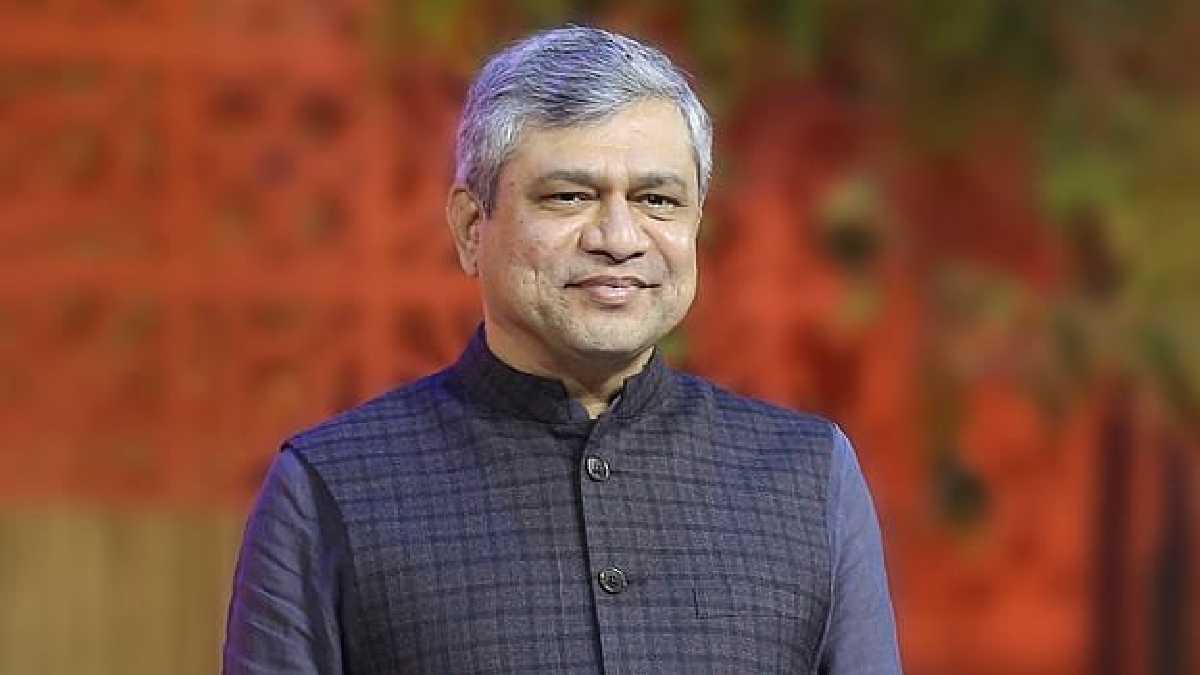
India is taking its indigenous railway technology to the world markets as Union Railway Minister Ashwini Vaishnaw said that within three-four years India could start exporting Vande Bharat trains.
This announcement shows India’s ambitions in railway manufacturing and efforts to become a global player in railway sector.
The Vande Bharat Express is an indigenous semi-high speed train developed as part of India’s railway modernisation programme. It is one of the most talked about projects under that programme as it promises faster journeys, better comfort for passengers and modern onboard facilities.
Vaishnaw’s statement signals a new phase for Vande Bharat programme beyond domestic deployment it is now international expansion. If the timeline proposed by him materialises India could start supplying these trains to other countries by around 2029 or 2030.
Vande Bharat's International Ambitions
India has invested a lot in developing domestic railway manufacturing capability. Vande Bharat trains are an important part of this effort as they combine locally developed technology with modern design and engineering.
Automatic doors, comfortable seating, better suspension, onboard information systems and other passenger facilities are among the features of the trains. They are designed to offer a modern travel experience but also support the country’s push for more efficient railway operations.
Exporting Vande Bharat trains could open up new opportunities for Indian railway manufacturers, engineering companies and component suppliers; it could also strengthen India’s position in the international market for railway manufacturing.
However, to enter overseas markets India would have to meet different countries’ technical standards, safety regulations and operational requirements. Railway infrastructure (track conditions), signalling systems, passenger requirements can vary between countries too.
Boost for India's Railway Manufacturing Sector
The proposed export plan could be a major boost to India’s railway manufacturing ecosystem. More international demand may spur manufacturers to increase capacity, invest in research and development and technological capabilities.
It could also create opportunities for businesses that produce railway components, electrical systems, train interiors, software and maintenance services.
India’s railway modernisation programme has become more domestic manufacturing based, technological driven and infrastructure intensive. Vande Bharat project is part of this broader strategy to develop transport solutions within the country.
What It Could Mean for India
Exporting Vande Bharat trains is important for India’s aspiration to be a manufacturing and technology hub. Successful sales abroad would show that Indian developed railway products can compete in overseas markets.
It could also raise global visibility of India’s engineering capabilities and create opportunities for long term partnerships with other countries.
Vaishnaw has given a three-to-four year timeline but when exports actually start will depend on manufacturing readiness, international demand, regulatory approvals and negotiations with buyers.
For now, the announcement puts Vande Bharat at the centre of India’s ambitions to expand its railway technology footprint beyond domestic borders.
If the plan pans out as planned they could eventually become another major Indian manufacturing product with an international presence.



Comments