
Hubballi, Karnataka: The political war between BJP and Congress has heated up after Lok Sabha Leader of Opposition Rahul Gandhi levelled allegations on foreign funding and foreign influence in Indian politics.
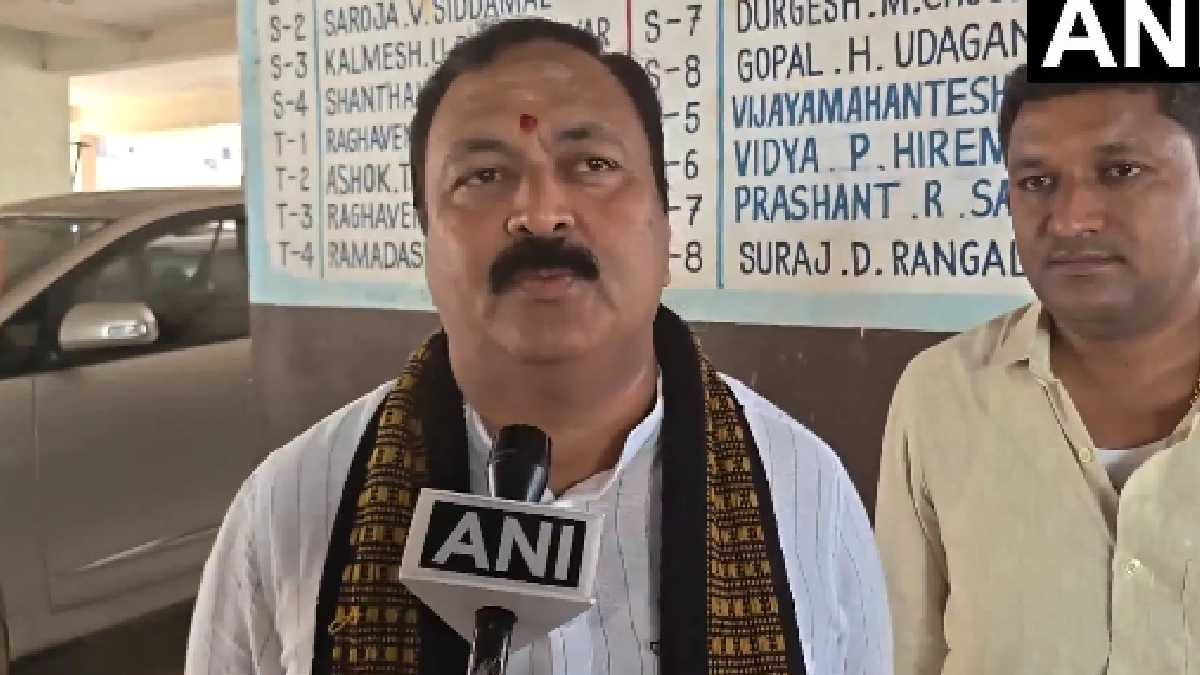
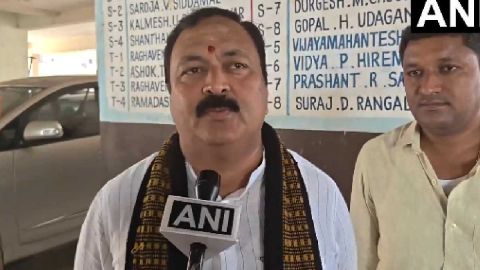
In response to Gandhi’s challenge BJP MLA Mahesh Tenginkai said that the Congress leader should take up these issues during the upcoming parliamentary session as Parliament is the right place for such discussions.
In Hubballi in Karnataka Tenginkai directly challenged Rahul Gandhi on the issues he had raised about foreign funding, foreign related matters and international social media platforms.
Gandhi had demanded a debate and the BJP legislator responded by saying he was ready to discuss it in Parliament. “Date, time and venue of discussion should be next parliamentary session,” he said.
“I challenge Rahul Gandhi on the points he has made about foreign funding, foreign issues and foreign social media influence,” Tenginkai said.
He went on to say that if Rahul Gandhi wanted to talk about these things he should come to the next parliamentary session and put his arguments before the House.
The Constitution of India gives elected representatives an opportunity to express their views and raise important public issues, Tenginkai said. Parliament is the right forum for political discussions and debates in which leaders from different parties can present their positions, he added.
The BJP MLA’s response came after Rahul Gandhi had challenged Prime Minister Narendra Modi to an open debate over allegations of foreign assistance and influence.
November 2 Gandhi alleged that Modi became PM and is still there because of foreign help; foreign support for India’s financial system; social media influence.
Gandhi asked the Prime Minister to debate the allegations at any place and time, leading to fresh war of words between the ruling BJP and Congress.
#WATCH | Hubballi, Karnataka: On Lok Sabha LoP Rahul Gandhi's tweet, BJP MLA Mahesh Tenginkai says, "I challenge Rahul Gandhi regarding the points he has raised about foreign funding, foreign-related issues, and foreign social media influence. As for your request to fix a date, time, and venue: when the next parliamentary session begins, that will be the time, the date, and the place. If you wish to discuss anything, come there and raise it... The Constitution of India provides us with a platform to allow everyone to express their views. Therefore, come to the next parliamentary session and raise your points there..." On Union HM Amit Shah's statements, he says, "The alliance between Rahul Gandhi and Kharge—along with the rest of the INDI alliance—seems unwilling to do anything other than speak while out on the streets. When a session is held, it follows a structured schedule... Abandoning discussions within the legislative session to stage protests and demonstrations out on the streets..."
— ANI (@ANI) November 3, 2026
Tenginkai also spoke about Union Home Minister Amit Shah’s statements against Congress leadership and INDIA alliance recently. He said Rahul Gandhi, Congress president Mallikarjun Kharge and other opposition leaders were more interested in street protests and demonstrations than discussions in Parliament.
The BJP MLA said parliamentary proceedings were scheduled and elected representatives had the chance to raise issues, question government policies and take part in discussions.
He asked how the opposition took political disagreements to the streets rather than using legislative platforms when Parliament is in session.
His comments reflect the BJP’s view that important political and national issues should be discussed through parliamentary procedures (not prolonged public demonstrations).
The latest spat shows the political confrontation between BJP and Congress over allegations of foreign influence, funding and functioning of democratic institutions.
With Rahul Gandhi asking for an open debate and BJP leaders saying Parliament should be the venue then it is a question of when will this issue come up in the next session of parliament?
The political disagreement also raises questions about how the ruling party and opposition will use parliamentary proceedings to deal with their competing allegations and present those arguments before the public.


Comments