
The Indian Railways has witnessed a huge improvement in its on-time performance, with the on-time performance increasing from 69.2% in the 2018-19 financial year to 77.43% in the 2025-26 period.
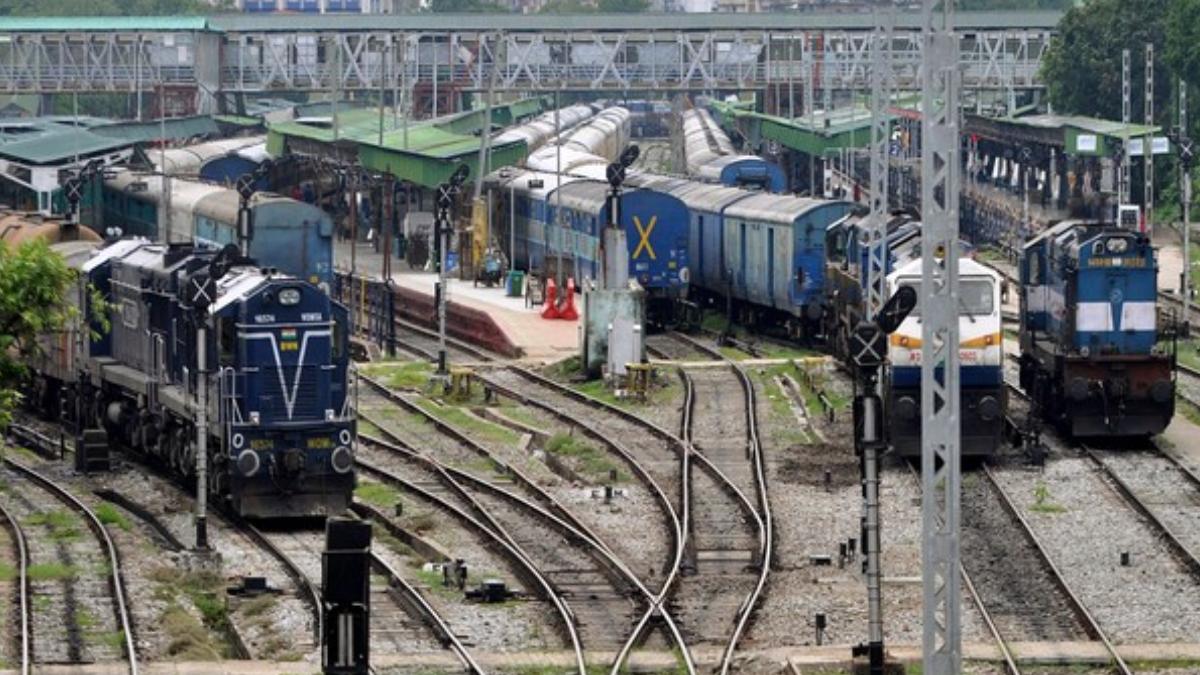
The punctuality is 77.11% up to the latest reporting period and 77.01% according to Ministry of Railways data. It has come after the national transporter has been able to meet huge passenger demand on one of the largest railways in the world. Better monitoring, timetable rationalisation, maintenance and infrastructure upgrades are taking place which railway officials say can make train services more operational.
The latest figures have also been discussed in the media as data which circulated on social media raised questions on the punctuality trend of the railway networks. The Ministry of Railways said some comparisons on the internet were wrong as the data are taken into account with changing operating conditions.
In particular, punctuality levels in the COVID-19 pandemic could not be compared to those in the situation of train service when normal services were resumed. In the past few years, fewer trains were operating so the railway track and other infrastructure were under pressure. When services and passenger demand resumed the network faced different operational problems.
The increase from 69.2% in 2018–19 to 77.43% in 2025–26 represents 8.23 percentage points. The 2026–27 year-on-year figure is still above 77% and so far has been very good for Indian Railways in the sense that it has been keeping the progress made in punctuality and performance of services in the current year.
Railways administration has also stated that the increase from 73.62% in 2023–24 which can be a sign of the improvement in punctuality in the last year has been achieved and has been seen by the railway administration. But these national figures are only indicative of a very general performance and do not mean all the trains, routes or railway divisions have the same punctuality and all lines are at the same level.
One of the measures to improve punctuality is to keep track of rail train movements more closely. People in the region, for example, track passenger service at divisional, zonal and Railway Board level to detect delays and operational bottlenecks at least on a daily basis. Data-based monitoring allows the authorities to measure performance and take action when services are disrupted and where services are put at risk.
Technology and information systems are also being used to better understand arrival and departure records to help railway managers, and so to monitor when and how much delay takes place and how to avoid it.
Hence, timetables need to be rationalised as well. The railways need trains to be operated on different types of infrastructure, with express trains and passenger trains and freight trains on different tracks. Different train speeds, track capacity, maintenance and congestion can all affect train schedules. Transforming timetables and managing train paths can reduce conflicts and improve the service movement across busy parts of the network.
Maintenance and infrastructure upgrades are important in railway punctuality. All train track conditions, signalling equipment, overhead electrical systems and locomotives need to be reliable for trains to run on schedule.
Poorly maintained infrastructure and the removal of bottlenecks to it can reduce the disruption of operations due to technical failure. Prevention and planning for maintenance and better structure in the systems is also a good way to improve operational reliability of the railways, the Railways said.
Several factors have improved but still cause issues with train punctuality. Fog and other adverse weather conditions can also impact the punctuality of the trains and services, especially when visibility is poor. Track congestion, maintenance work, signalling problems, signalling breakdowns, overhead equipment failures, alarm-chain pulling, public protests and unexpected events can also cause delays to happen.
Some of these challenges are not easy to predict and railway authorities should combine long-term infrastructure investment with active operational management and real-time problem-solving.
🚨 The train punctuality in India has improved from 69.2% in 2019 to 77.43% in 2026. (Indian Railways) https://t.co/JtjKOKbQl0
— Indian Tech & Infra (@IndianTechGuide) October 23, 2026
Punctuality for passengers may lead to quicker arrival times, easier connections and better planning for work, education and family travel. But national percentage alone does not tell us how long individual trains are delayed or what has happened to particular routes. Travellers need to keep track of live train-running information in advance of departure, especially in bad weather and heavy traffic.
As a whole, the increase in punctuality from 69.2% in 2018–19 to 77.43% in 2025–26 shows the progress made in Indian Railways towards operational reliability. The 77.11% in 2026–27 is indicative of the fact that performance has been relatively constant above the 77% level. While the data are good for the network overall, we have to keep in mind route-specific delays and passenger experience.







Comments
Leave a Comment