
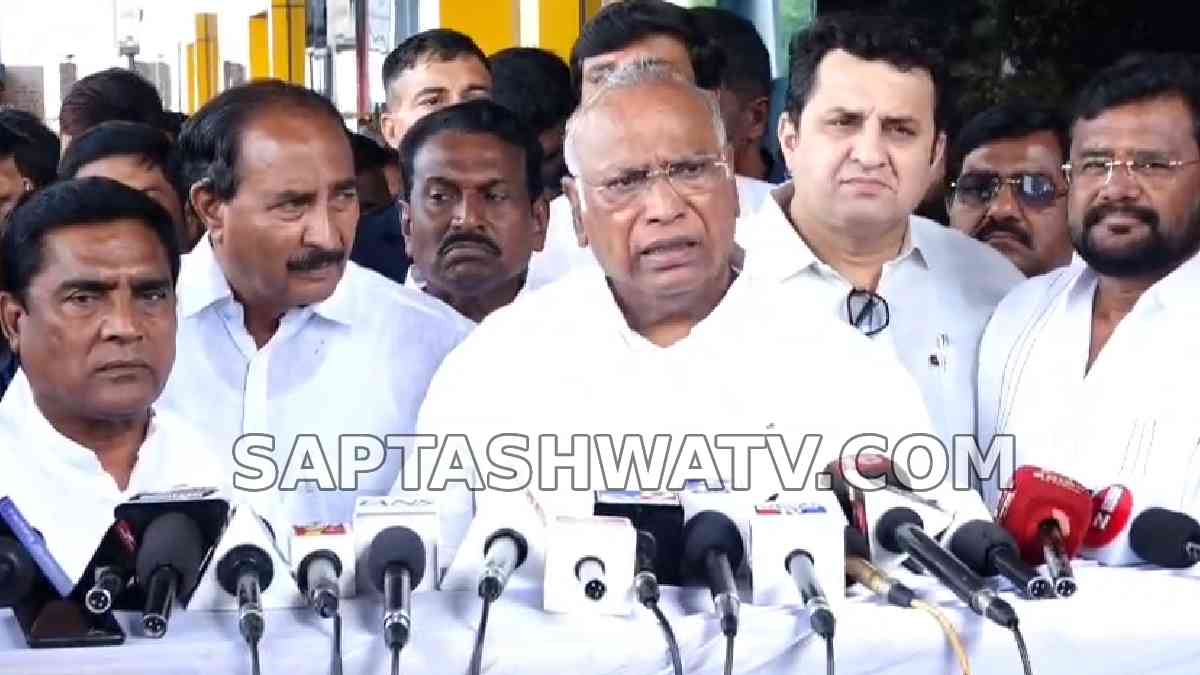
Congress president Mallikarjun Kharge has accused the Modi government of weakening democratic freedoms, saying India’s claims to be the “mother of democracy” have been undermined by restrictions on protests and the arrest of those who denounce those in power. Security was beefed up across Delhi as opposition to a proposed demonstration against Chief Election Commissioner Gyanesh Kumar was launched Saturday (10 October 2026).
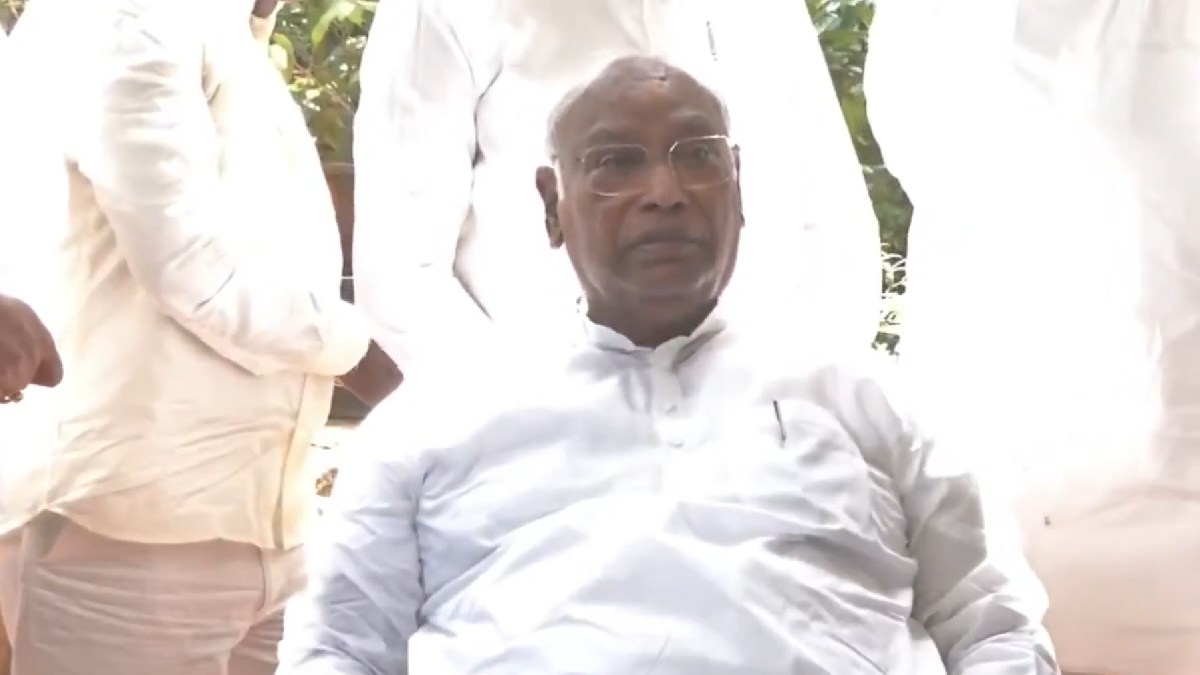
Kharge criticised the government for turning the national capital into a fortress to prevent young people and other groups from protesting. In a post on X, the Congress chief said the “cowardice” of the BJP and the Rashtriya Swayamsevak Sangh (RSS) was on display, saying that authorities were detaining people who wanted to question the government.
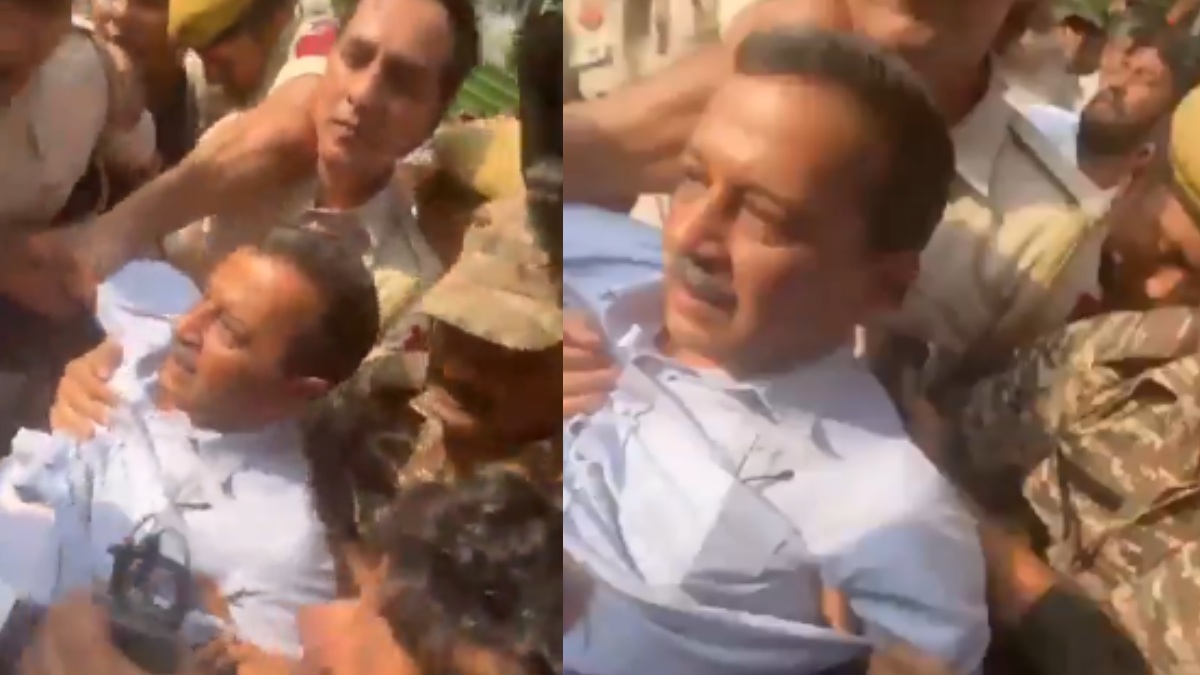
The political conflict erupted as protesters tried to reach Jantar Mantar for a demonstration organised by the Cockroach Janta Party (CJP). Delhi Police detained more than 500 people who tried to reach the protest site from there, as per the report. The proposed demonstration was based on allegations of voter list manipulation in the Special Intensive Revision (SIR) of electoral rolls and changes in Form 6 for voter registration.
Kharge Accuses Government Of Suppressing Dissent
Kharge described the situation as a threat to democratic participation, saying students, young people, lawyers, journalists, social activists, farm union leaders, YouTubers and content creators were among those detained.
In his speech, the Congress president said arrests, imprisonment and the use of force would not deter citizens from defending their rights. And he also recalled the role of young people in India’s freedom struggles and said they had historically shaped the country’s future.
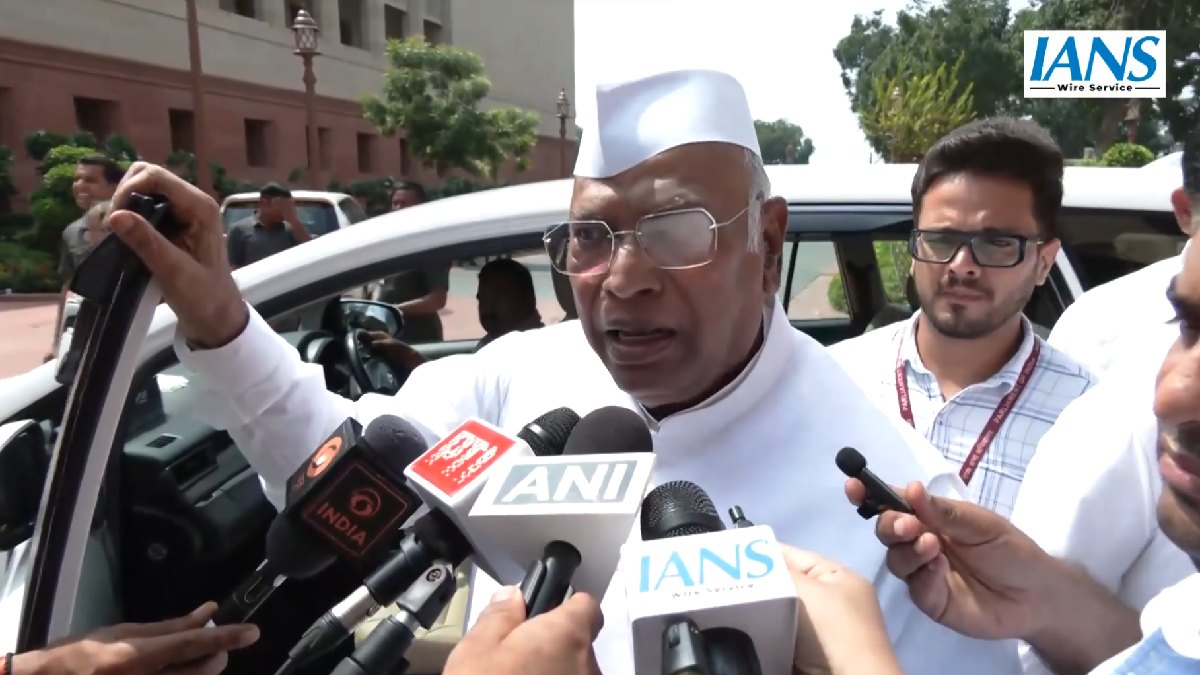
Kharge said the Congress, with the rest of the Opposition, would continue to defend democracy, the Constitution and the fundamental rights of Indian citizens. In his remarks, he framed the Delhi protests as a matter of larger political struggle over the space for dissent and public demonstrations.
The comments represent the Congress leadership’s criticism of the government’s handling of protests. Any allegations on the part of individual police officers or the legal basis for specific detentions should be distinguished from independently established findings about the conduct of individual police officers.
More Than 500 Protesters Detained In Delhi
The proposed demonstration drew a heightened security response in the national capital. Delhi Police detained more than 500 protesters trying to reach Jantar Mantar, with detentions taking place at different locations in the New Delhi area.
Police were also using drones to monitor the movement of people who are attempting to get to the demonstration, it’s reported. Security was beefed up to avoid disturbances and to maintain public order.
Delhi Police had denied the CJP permission to stage the protest at Jantar Mantar because of security and procedural issues, he said. The refusal became one of the core of the dispute, as people who wanted to rally were not allowed to do so on fears of electoral roll changes.
The magnitude of the detentions reported and the security measures deployed added to the political tension surrounding the planned gathering. But in the available reporting, no account is complete of the detainees, the legal grounds recorded in each case, or the length of time those detained were held.
Why The CJP Protest Targeted Chief Election Commissioner Gyanesh Kumar
The CJP had called the demonstration against Chief Election Commissioner Gyanesh Kumar over allegations of irregularities in the electoral roll revision process. The protesters' concerns were for the Special Intensive Revision of voter lists and changes associated with Form 6, the application used by eligible citizens to register as voters.
Electoral-roll revisions are intended to update voter records, but can be politically contentious when parties or citizens complain about voters not being included. The allegations behind the proposed CJP demonstration have thus brought voter registration and electoral transparency into the wider debate.
The allegations of voter-list manipulation are still allegations and should not be treated as established findings without any evidence supporting them. To make sense of them we need to look at the available electoral records, the processes of election officials, any formal complaints or findings related to those cases.
This debate also speaks to the difference between questioning a process and establishing that manipulation is an issue. Political parties and protest organisers can ask why or why not, but allegations of wrongdoing need to be investigated based on verifiable information.
What Is Form 6 And Why Is It Relevant?
Form 6 is used by eligible Indian citizens to apply for inclusion in the electoral roll. It is critical for voter registration in this country, for the first time or otherwise for enrolment in the relevant rules.
Changes or disputes regarding voter registration can attract a lot of attention because electoral rolls determine who is eligible to vote in a particular constituency. Questions about who to include, who to exclude and how to ensure that voter information is correct can thus become very important political issues.
In the current dispute, the CJP’s proposed protest linked its objections to the SIR exercise with concerns about Form 6. But the precise nature and extent of the alleged irregularities would need to be established through documents, official responses and evidence related to individual cases.
Delhi Security Measures Become A Political Flashpoint
The police response was to deny permission for the demonstration in Jantar Mantar and the detentions were another point of dispute. Kharge saw that the restrictions were an effort to make sure young people and other groups were not able to speak up.
The government cited security concerns and procedural requirements when they declined to allow the gathering, the report said. Public order is the responsibility of the police, but not only can demonstrations be a barrier to public assembly and discussion, but the ability to make a voice of their ideas can be restricted.
So the main dispute is not only the voter lists. It is also how public demonstrations should be managed if campaigners would like to challenge the function of an institution like the Election Commission.
An accurate assessment would require more information about the permission process, which police formally recorded, the legal basis for detentions and whether alternative arrangements were offered to the organisers.
Opposition Intensifies Its Attack On The Modi Government
Kharge’s words fed into the Congress party’s criticism of the Centre, which is putting democratic freedoms and constitutional rights at the heart of its response to the Delhi developments. In describing India as moving from the “mother of democracy” to a “muzzled democracy,” he sought to draw attention to what the Opposition views as restrictions on political dissent.
Our youth, students, lawyers, journalists, social activists, farm union leaders, You Tubers, content creators, everyone who is questioning this regime are being detained. Modi Govt has turned the “Mother of Democracy” into a ‘Muzzled Democracy’! The cowardice of the BJP-RSS is on full display today. Detentions, arrests, jails, lathis and pellets cannot deter the people of India. Since the days of our Freedom struggle, the youth have been at the forefront of shaping the nation’s destiny. The Congress Party, along with the united Opposition, will fight this tyrannical regime, tooth and nail. We shed our blood to win India’s freedom. We will continue to fight, with every ounce of our strength, to defend our Democracy, our Constitution and the fundamental rights of every Indian.
— Mallikarjun Kharge (@kharge) October 10, 2026
The BJP and government were not quoted directly reacting to Kharge's latest allegations in the supplied account in the present article. Their position on the specific claims, along with a detailed police explanation of the alleged detentions, will be useful to get a complete picture of the dispute in the full context of the dispute. The episode shows how disputes about electoral procedures can turn into a larger issue of civil liberties, public order and institutional accountability. While the CJP’s demonstration was in the SIR exercise and voter registration, the police response has become another source of political friction.
So far the main questions are about the circumstances of the reported detention of more than 500 protesters, the reason permission was denied for the Jantar Mantar gathering and whether the accusations of electoral-roll manipulation are correct. As the political debate continues, clear facts and responses from the authorities will be needed to differentiate the official and non-governmental allegations.



Comments
Leave a Comment