
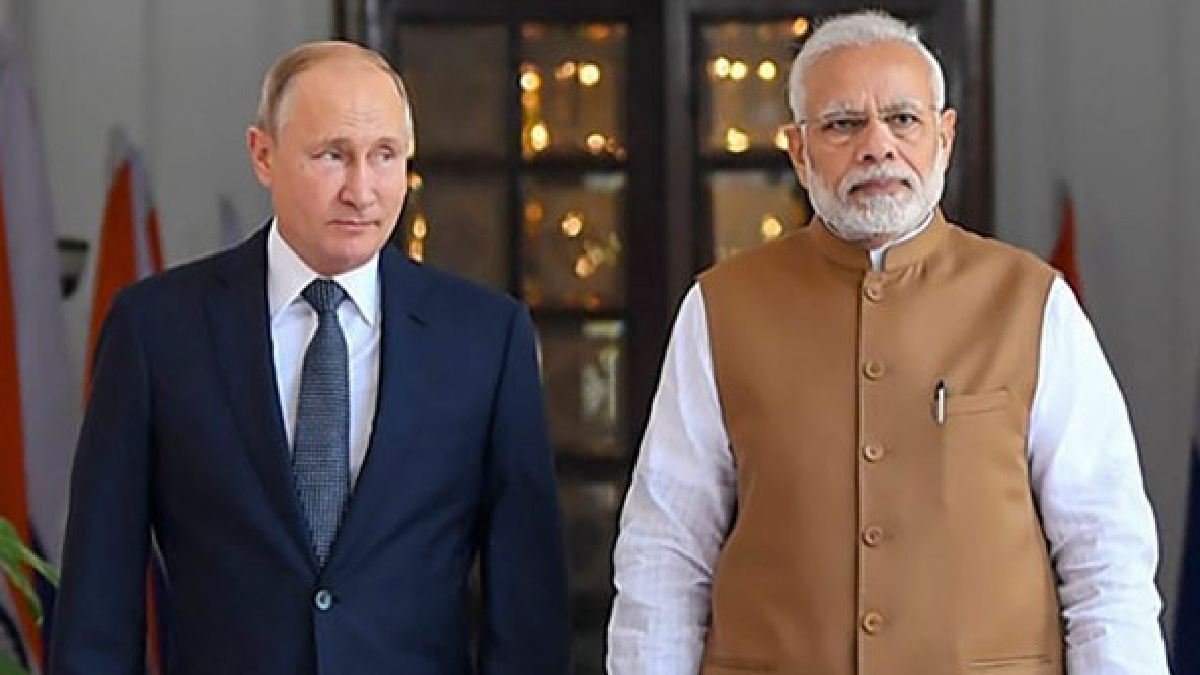
India and Russia are going to step up efforts to expand their economic relationship as Prime Minister Narendra Modi and Russian President Vladimir Putin call on their governments to deepen bilateral cooperation and set a target of USD 100 billion by 2030.
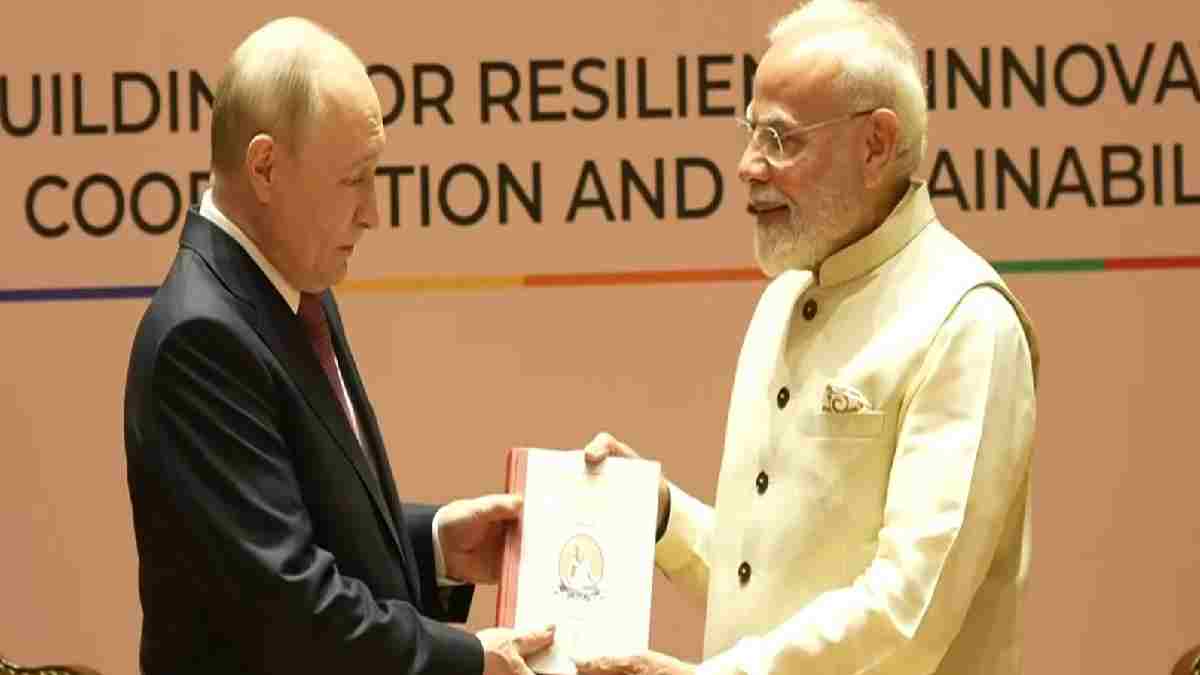
Indian Ambassador to Russia Vinay Kumar explained the latest push in comments to the Press Trust of India on 24 Oct 2026. The two leaders had asked relevant ministries and agencies to work together more closely in areas such as trade and commerce and in the areas of cooperation, he said. The talks took place on the sidelines of the BRICS summit in New Delhi in September.
In addition to the trade ambition, the two countries have also proposed to achieve a two-way investment target of USD 50 billion by 2030. Those goals are meant to expand relations as well as boost them for both countries and for the benefit of both.


Trade Expansion and Investment Cooperation
The USD 100 billion target is a substantial increase from the roughly USD 60 billion of bilateral trade in the 2025-26 financial year. But the relationship still leans heavily toward Russian exports to India, and a more balanced scenario is one of policymakers' central concerns.
Piyush Goyal, the Indian Commerce and Industry Minister, has said non-energy trade must be increased. Expanding Indian exports of pharmaceuticals, engineering products, chemicals, textiles and marine products will be one of the key steps towards bridging the trade gap and building commercial ties.
Energy is still a core component of the relationship. Russian crude oil has been responsible for a large part of India's imports from Russia, and the cooperation also covers fertilisers, nuclear energy, oil refining and petrochemicals. The challenge will be to sustain the current trade and create new business opportunities in manufacturing, technology and other fields.


The investment ambition is equally important. The two countries have identified cooperation across areas such as advanced manufacturing, energy, mining, railways and emerging technologies. During India’s trade strategy, a priority investment project is being tracked as part of commercial ties in the country.
Free Trade Talks and Payment Mechanisms
If Indian companies are to expand their presence in Russia, market access will need to be improved. India is negotiating a free trade agreement with the Russia-led Eurasian Economic Union (EAEU), which could open opportunities across a wider regional market if an agreement is concluded.
Both countries are also working to remove some of the trade barriers that can slow down trade, such as certification, standards issues, non-tariff barriers, and logistics. Better payment systems are also a priority, especially since the countries are looking to use national currencies to settle bilateral transactions.
These efforts would be designed to reduce transaction costs and offer businesses a pathway to market. But the success or failure of the negotiations, as well as the proposed changes, will be determined by the effectiveness of the negotiations and changes.
Working with Skilled Labour Cooperation Gains Attention
Labour mobility is another area of cooperation. Ambassador Vinay Kumar said India was prepared to help meet Russia's need for skilled workers in line with the requirements of its industries.
According to his comments reported by India Today, Indian workers make up about 25% to 30% of Russia's quota for foreign workers. India has also proposed that Russian institutions establish educational facilities in India or partner with existing institutions to train people for roles needed by Russian employers.
Such cooperation will connect India’s large workforce to job opportunities abroad and assist Russian industries in meeting specific skills requirements. This will depend on the training system, job placement arrangements, and the needs of employers.
Challenges Ahead for the $100 Billion Goal
The goal of achieving USD 100 billion in bilateral trade by 2030 will require sustained growth over the next few years. The two governments will need to translate high-level commitments into concrete commercial opportunities and ensure that companies can trade with fewer administrative and payment-related obstacles.
The trade imbalance is particularly important. With Russian energy exports becoming a significant part of India’s purchases, stronger Indian exports will be needed to create a more diversified relationship. Progress on the proposed EAEU trade agreement, investment projects and skilled-worker cooperation could be a useful way of driving that shift.
Geopolitical developments and changes in international trade conditions also affect business decisions, supply chains and payments. As a result, the target remains an ambition but not a certainty.
What the India-Russia Trade Target Means
Modi and Putin’s renewed push signals that both governments are looking to deepen economic collaboration and move beyond familiar sectors. Trade, investment, manufacturing, energy, technology and skilled labour are all on the agenda.
The immediate priority will be execution: increasing market access, encouraging businesses to look at new sectors, and overcoming the practical barriers to trade. The two countries have to meet their commitments to USD 100 billion in trade and USD 50 billion in two-way investment by 2030.





Comments