
An unusually powerful El Niño is developing in the Pacific Ocean, with sea-surface temperatures reaching extraordinary levels, raising concerns about the climate risks the world could face in the coming months. The phenomenon has occurred throughout recorded history, but its potential effects are especially concerning today, as countries face economic pressures, political divisions and competing demands on public resources.
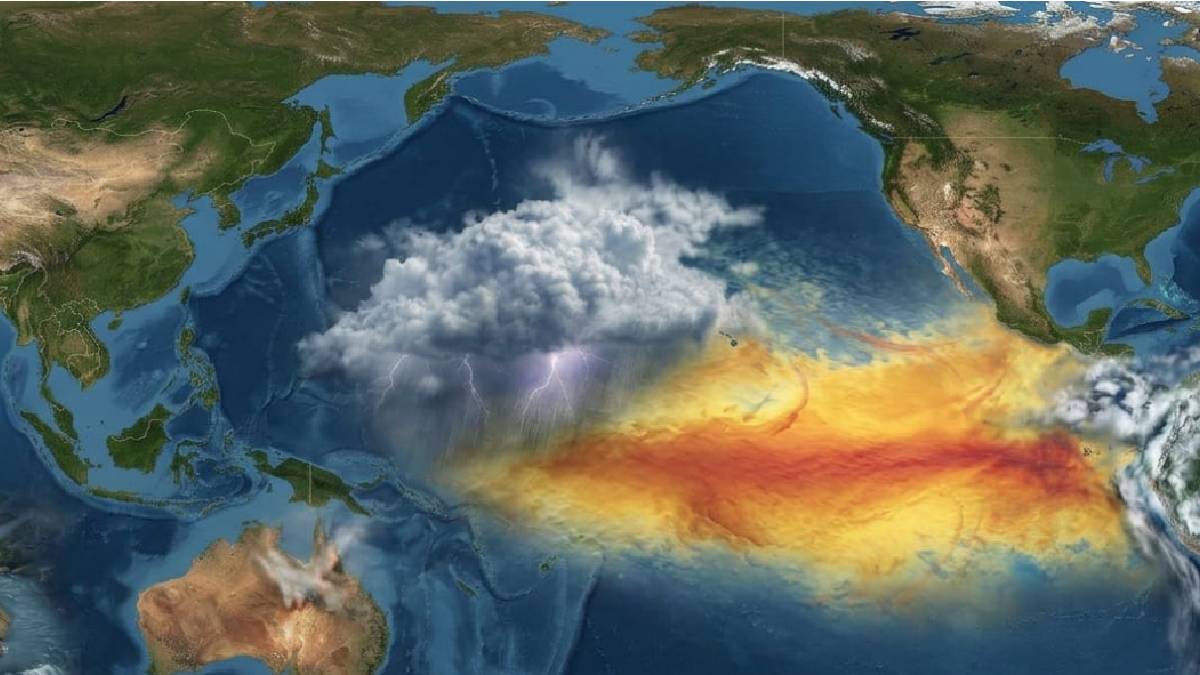
According to the World Meteorological Organization (WMO), the current El Niño is expected to intensify towards a possible peak around December 2026 and could become one of the strongest events observed since at least 1950. The agency warns that the resulting shifts in temperature and rainfall could affect communities, economies and ecosystems around the world.
What does the 30°C Pacific temperature record mean?
Reports in October 2026 highlighted an extraordinary milestone, the sea-surface temperatures in the central Pacific’s Niño 3.4 region reportedly crossed 30°C for the first time in recorded observations. This is the actual temperature of the water, not the amount by which it has warmed.
To understand the significance, scientists look at the difference between the observed sea-surface temperature and its long-term average, known as a temperature anomaly. The International Research Institute for Climate and Society reported that the weekly Niño 3.4 anomaly reached approximately 3.3°C in mid-October 2026, while the WMO projected that the three-month average could approach 3.7°C during October–December. These measurements use different reporting periods, so they should not be treated as interchangeable.
The scale of the warming is important because the tropical Pacific plays a major role in the global climate system. When its waters warm and the usual trade winds weaken, heat and moisture are redistributed, changing atmospheric circulation and influencing rainfall and temperature patterns far beyond the ocean itself.
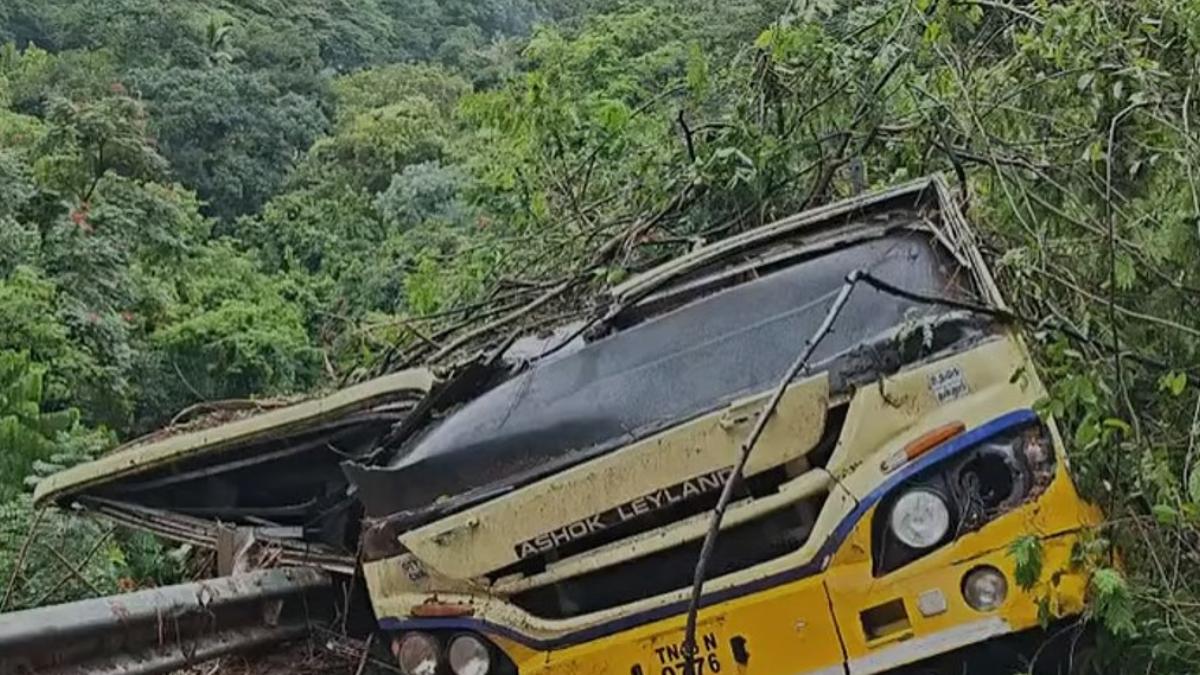
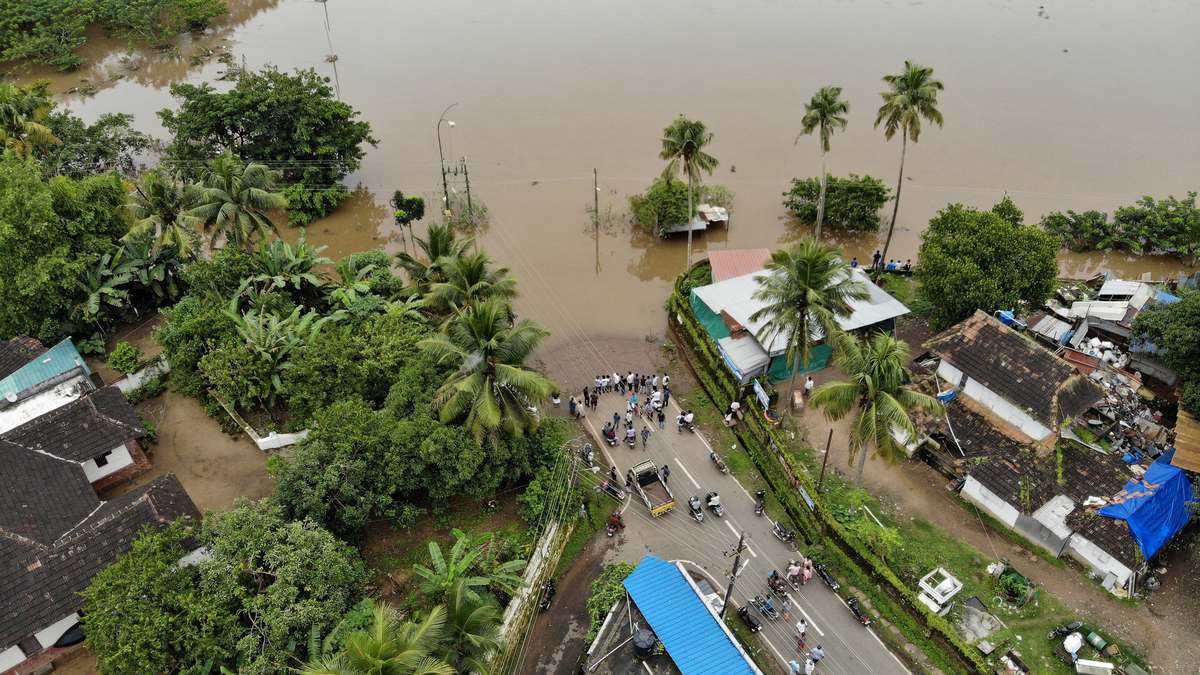
However, a powerful El Niño does not mean every country will experience the same conditions. Some regions may face severe drought, while others could experience unusually heavy rainfall and flooding. The specific effects depend on regional conditions and other climate influences.
A look back at El Niño and its history
El Niño is not a new phenomenon. It is the warm phase of the El Niño–Southern Oscillation (ENSO), a naturally recurring climate pattern involving interactions between the tropical Pacific Ocean and the atmosphere. El Niño events typically develop every two to seven years and often last around nine to 12 months, although some persist longer.
The name is associated with observations by fishermen off the coast of Peru, who noticed changes in ocean currents and fish catches around Christmas. The term El Niño, meaning “the boy” in Spanish, became associated with the unusual warming of coastal waters. Historical accounts and scientific evidence indicate that the phenomenon has affected coastal communities for centuries, while climate records and natural indicators suggest that ENSO has existed for thousands of years.
Some of the most significant modern El Niño events occurred in 1982–1983, 1997–1998 and 2015–2016. These events disrupted weather patterns across multiple continents, contributing to droughts in some areas, heavy rainfall in others and changes in marine ecosystems. The 2015–2016 event became particularly well known for its exceptional strength and its association with extreme weather and global heat.
How could the current El Niño affect the world?
The most immediate concern is the possibility of widespread disruption to rainfall and temperatures. A stronger El Niño raises the likelihood of unusually hot conditions across large parts of the world, while shifting the probability of drought and flooding in different regions.
For agriculture, prolonged dry weather can reduce crop yields, place pressure on irrigation systems and threaten the livelihoods of farmers. Excessive rainfall can damage crops, flood farmland and disrupt transport networks. Changes in ocean temperatures can also affect the distribution of fish and other marine species, creating challenges for fishing communities.
These risks can spread into food prices, electricity demand, water availability and public health. Heatwaves can increase the need for cooling, while drought may put pressure on reservoirs and hydropower generation. Flooding can damage housing, sanitation systems and essential infrastructure.
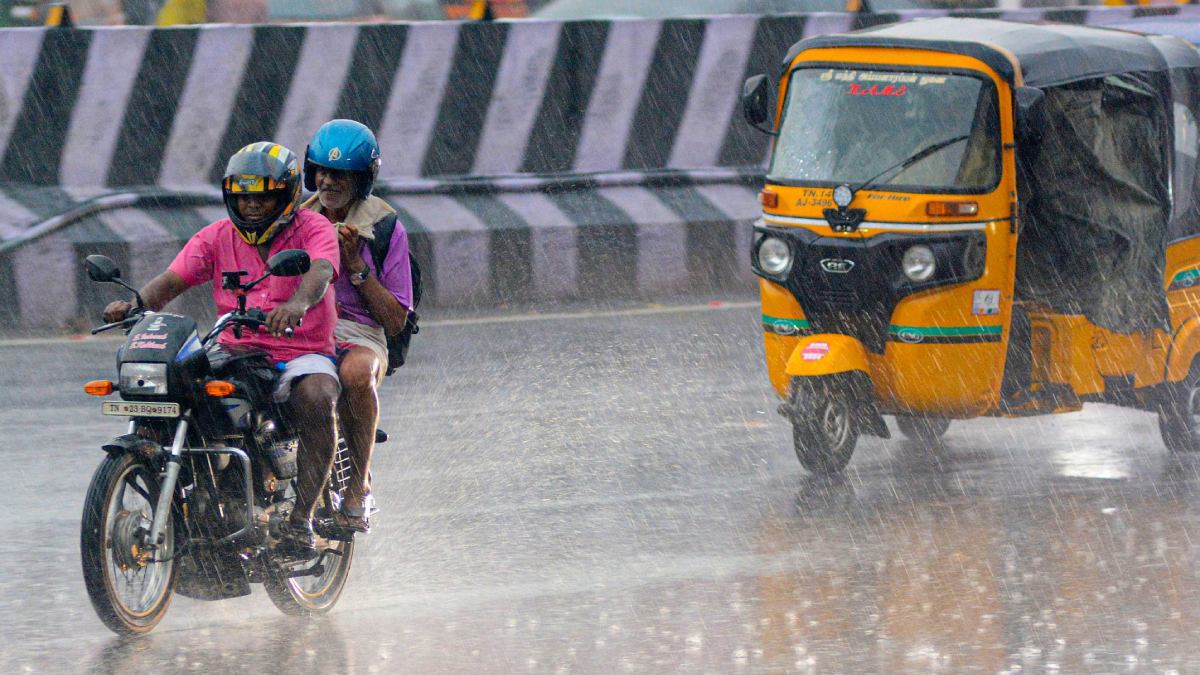
For India, the rainfall outlook deserves particular attention. The WMO's October–December 2026 seasonal forecast identifies a tendency towards drier-than-normal conditions over the Indian subcontinent. This is a seasonal probability, not a guarantee that every part of India will receive below-average rainfall. Local forecasts and other climate patterns remain important when assessing the likely impact on agriculture, reservoirs and water supply.
Why the political climate matters
The threat posed by a strong El Niño is not only environmental. Its consequences will also depend on how governments respond and whether vulnerable communities can access the resources needed to withstand extreme weather.
Countries already facing high living costs, pressure on public budgets, political polarisation or competing security priorities may find it harder to prepare for climate-related emergencies. Governments could be forced to balance spending on disaster relief, agricultural support, water infrastructure, public health and other essential services.
This does not mean El Niño will automatically trigger political instability or that every economic problem can be attributed to it. The link is more complex, climate shocks can worsen existing vulnerabilities, and the outcome depends on public policy, infrastructure, preparedness and international cooperation.
In a politically divided world, responding to a shared climate risk can become more difficult when governments struggle to agree on priorities or coordinate assistance. At the same time, effective early warnings, transparent public communication, reliable emergency services and support for farmers can help limit the damage.



Comments