
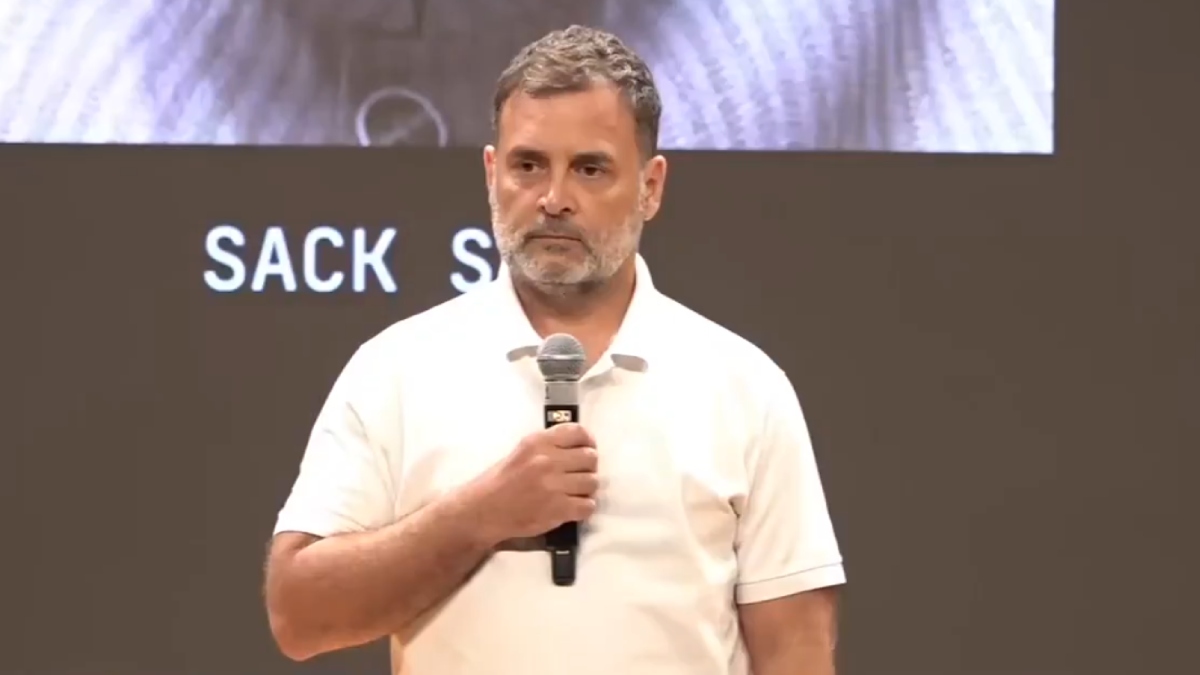
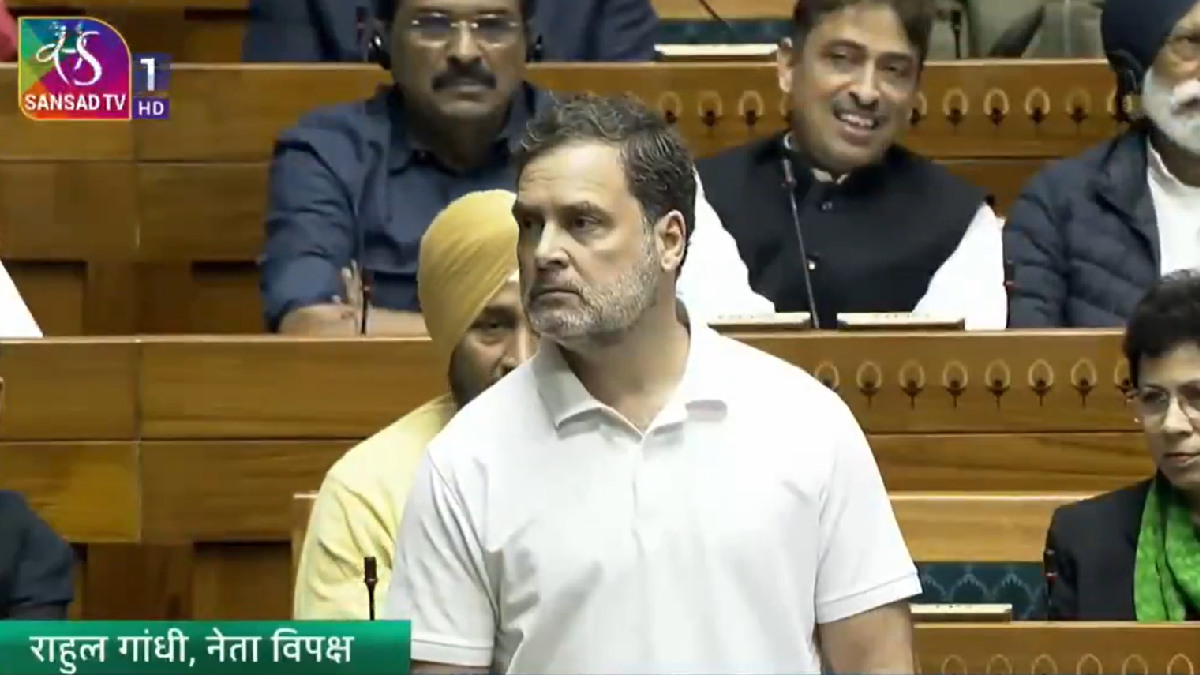
A new political storm has erupted over India’s E20 petrol programme after Congress leader Rahul Gandhi said Narendra Modi government was misleading consumers about ethanol content in petrol.
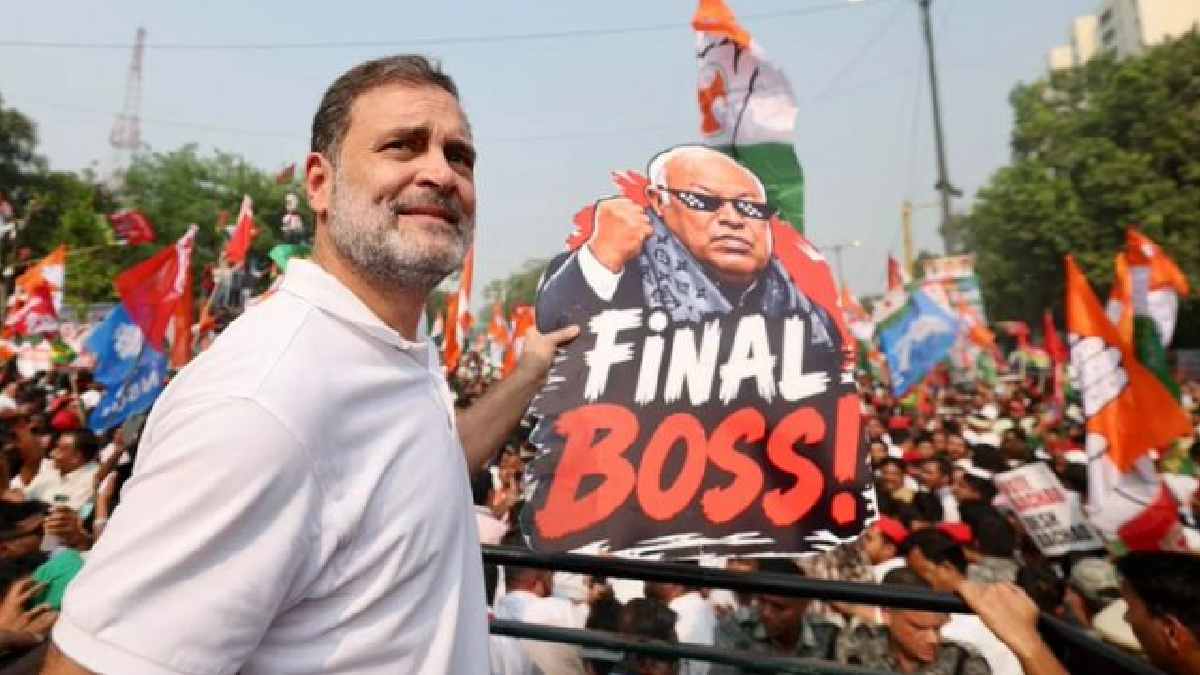
Gandhi took a jibe at the Centre by saying “E20 turned into 420” and alleged that motorists were paying for petrol but getting fuel which had more ethanol than allowed.
Gandhi referred to laboratory results from petrol samples collected in seven districts of Karnataka. He said that 11 out of 14 samples tested “were more than 20% ethanol”.
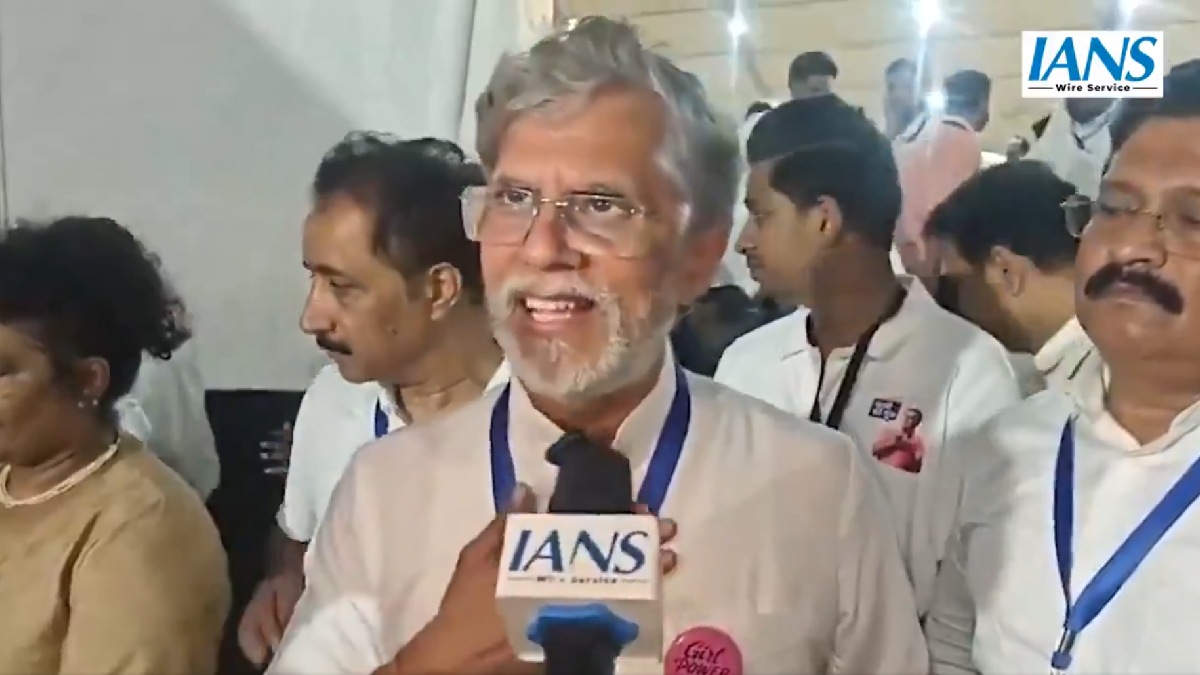

Gandhi specifically cited samples from Indian Oil Corporation (IOCL) and Hindustan Petroleum Corporation Limited (HPCL), which allegedly had ethanol concentrations of 31.2 per cent and 30.5 per cent respectively.
He also named Bharat Petroleum Corporation Limited (BPCL), Nayara Energy and Shell among the companies whose fuel samples were tested in the exercise. Gandhi asked why oil companies allegedly did not disclose actual ethanol content in their internal laboratory reports.
Congress leader said excessive blending of ethanol could hurt motorists because vehicles designed for lower ethanol content would have less fuel economy and higher maintenance costs if petrol contained more ethanol than allowed.

He also asked why petrol pumps didn’t clearly display information about the ethanol content of fuel sold to customers.
Centre and Oil Companies Reject Allegations
The allegations have been strongly denied by the country’s major public sector oil marketing companies. Indian Oil, BPCL and HPCL said samples were not collected and tested as per prescribed technical and statutory procedures.
In a joint clarification the companies said they had tested 893 E20 petrol samples collected from depots and retail outlets in 27 states and Union Territories. “All the samples tested were found to contain ethanol within prescribed range of 19-21 per cent,” they added.
The companies also said that 56 samples tested in Karnataka had ethanol levels between 19 and 20 per cent (average 19.30 per cent). They questioned the methodology used by Karnataka government for testing and demanded a transparent jointly verifiable investigation into it.
The Union Petroleum Ministry also rejected the allegation of excessive blending of ethanol and said that testing done under prescribed procedures did not support the allegations reported.
Why E20 Petrol Is Under Scrutiny
E20 petrol is a fuel blend that consists of up to 20 per cent ethanol mixed with conventional petrol. Ethanol is mainly produced from agricultural sources (e.g. sugarcane).
India ramped up the ethanol-blending programme to cut dependence on imported crude oil, support farmers and lower carbon emissions. The government met its 20 per cent blending target during the 2025-26 ethanol supply year.
However, the programme has been met with questions from motorists about mileage, engine compatibility and maintenance of vehicles. The government has previously said E20 fuel can cause a small reduction in fuel efficiency (especially for vehicles designed for lower ethanol blends).
Gandhi has now asked PM Narendra Modi to tell him what is in actual fact the ethanol content in petrol and if violations have been found then action can be taken against companies.
The controversy has put fuel quality, consumer protection and transparency in the political spotlight. Whether the conflicting lab results lead to an independent investigation is a key question for motorists across the country.



Comments