
Sikkim has launched its first-ever Himalayan Yak Festival in Gnathang Valley, bringing together around 400–500 yaks and putting attention to the traditional yak-herding culture in the valley.
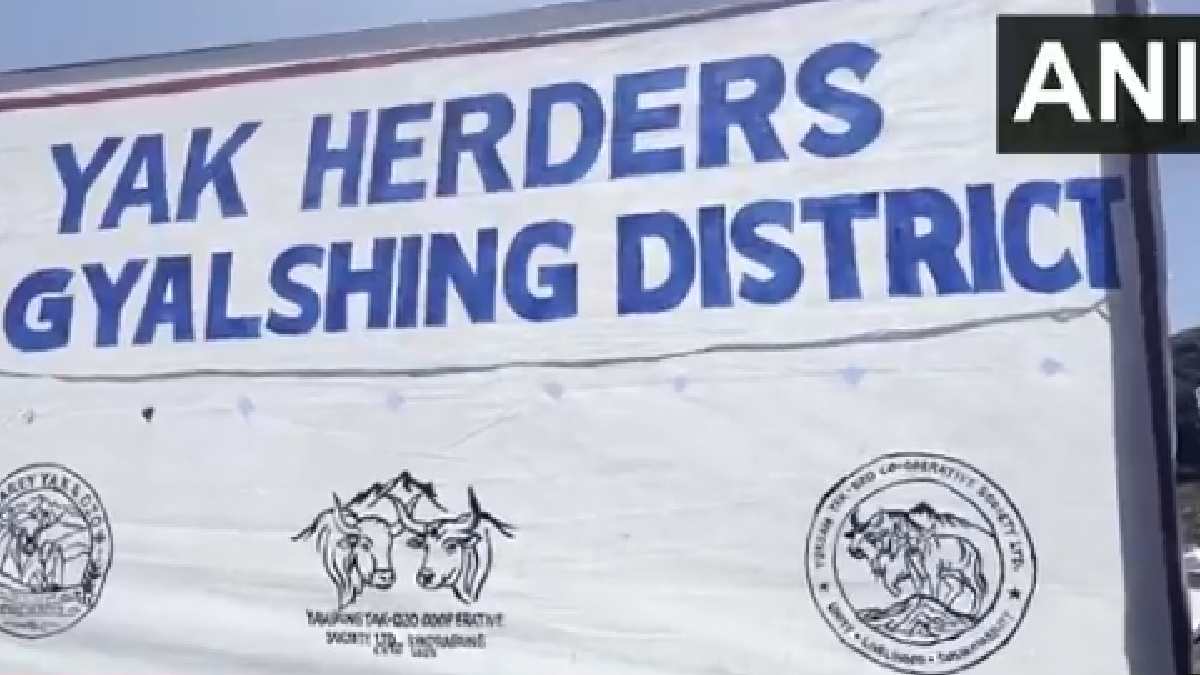
It will promote conservation, enable herders’ livelihoods and make tourism possible in the state’s high-altitude borderlands.
The festival, organised by the Sikkim government’s Animal Husbandry and Veterinary Services Department, started on October 28, 2026. Gnathang Valley is situated near the India-China border so it is a natural location for the celebration of an animal associated with life in the Himalayas.
Yak Conservation Takes Centre Stage
The festival is coming at a time when yak herding is in crisis due to changing climate, too much pressure on grazing areas, as well as less interest in the traditional occupation of yak herding by younger generations.
Yaks are well-suited to cold temperatures and daunting mountain terrain. For generations they provided milk, butter, cheese, wool and other useful products to Himalayan communities. They have also been pack animals in extremely remote areas where it is very difficult to move things.
We hope the festival will raise the profile of yak rearing and make it more clear to people.
400–500 Yaks Bring the Valley to Life
At the first meeting, 400–500 yaks were present and the animals were at the forefront of the event. The festival also had stalls of yak products and developments in artificial insemination and breeding techniques.
These were displays that showed how traditional animal husbandry can benefit from scientific methods. Better breeding practices, animal healthcare and access to veterinary care would be a boon for yak populations and families that depend on them.
The event also brought yak herders and other stakeholders together to discuss their experiences, challenges and opportunities. Such exchanges can help communities share knowledge about animal care and identify ways to make herding more sustainable.
Supporting Herders and Local Livelihoods
Yak herding is more than an occupation in Sikkim’s mountain communities. It is a long-standing cultural tradition shaped by the climate, landscape and way of life.
But the continuation of this tradition is also in need of economic support. If herders can’t make a living, young people from the herders’ communities are looking into other careers and it’s that they may lose traditional knowledge.
The festival would help to promote the recognition of yak herders and their role in the Himalayan economy. Better opportunities to sell yak-based products, access to markets and government support could enhance the attractiveness of the career to younger people.
The event also aims to promote tourism in remote high-altitude areas. Showing yak culture, local products and traditional practices would surely attract tourists to Sikkim’s natural beauty and indigenous heritage.
A New Chapter for Himalayan Heritage
The first Himalayan Yak Festival is the first attempt to connect wildlife and livestock conservation with community welfare and tourism advancement. Its central aim is to see that yak rearing is profitable and not a dying tradition.
Participants are hundreds of yaks and the festival has made visible in the Himalayan valley an animal that is key to life there. This festival has been planned to bring together cultural recognition with breeding, conservation and economics to strengthen herding communities’ support.
As Sikkim is promoting its high-altitude heritage, the first annual gathering in Gnathang Valley also serves to send a clear message: protecting the Himalayan yak is also the protection of traditions, livelihoods and local knowledge in the mountains that have been sustainably maintained over the generations.






Comments