
A schoolboy’s request to bring vada pav back in school canteens has caught social media users’ attention after Maharashtra Food and Drug Administration (FDA) Commissioner Tukaram Mundhe sent this message about healthy eating.
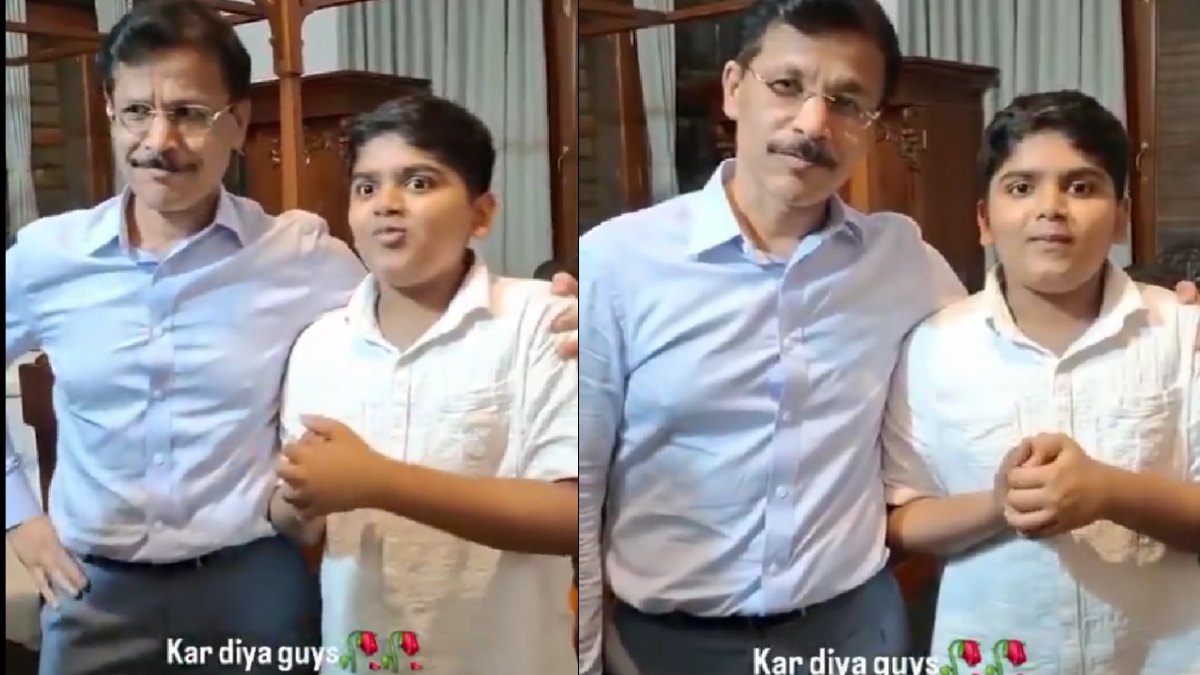
In a video circulating online, the student tells Mundhe that vada pav has been banned in schools and that he and his friends want the popular snack back. Mundhe responds calmly, explaining that children can grow better by choosing nutritious food instead.
“Our life won’t stop if we don’t eat vada pav. In fact, if you eat good, nutritious food, you will grow much better,” Mundhe tells the student.
The exchange has attracted attention because Maharashtra has restricted the sale of unhealthy food items in and around schools. The conversation also illustrates the challenge of getting kids to eat healthier food while being limited on snacks they enjoy.
Schoolboy Asks Tukaram Mundhe To Bring Back Vada Pav
Vada pav is one of Maharashtra’s most popular street foods and is a popular snack for students as well as adults.
The snack has been the subject of debate since restrictions on the sale of certain foods in school canteens.
In his conversation with Mundhe, the schoolboy says he and his friends would like vada pav to return to schools. The student’s request reflects the disappointment that some kids might feel when familiar snacks are removed from canteen menus.
Mundhe doesn’t dismiss the student’s concern. Rather, he uses the opportunity to explain why nutritious food matters, particularly during childhood when children are growing and developing.
His response has attracted attention online because it is not a confrontational one. He encourages the student to think not just about the restriction but the longer-term benefits of a healthy diet.
Why Maharashtra Restricted Vada Pav In Schools
The interaction comes as Maharashtra tries to limit the availability of foods that are unhealthy for children.
The state’s Food and Drug Administration has enforced restrictions on the sale, distribution and advertising of foods high in fat, sugar, salt and trans fats within school premises and a 50-metre radius of schools.
The restrictions cover some of the popular snacks and food items that are popular among students like vada pav and samosas, as officials try to encourage healthier eating habits among students. The measures also include other food products which are not suitable for children to consume, including food items that are considered harmful for them to eat at all.
The aim is to make healthier options more readily available in the classroom and to limit children’s exposure to unhealthy food that can cause poor dietary habits.
School canteens have an important role to play in students’ day-to-day food choices. Because children often buy snacks during breaks, the availability of healthier alternatives can influence what they eat during the school day.
Schools have been reviewing their menus, with some replacing fried snacks with idli, dosa, poha and upma. The changes are to give students alternatives and to reduce the availability of deep-fried and highly processed food.
Tukaram Mundhe Promotes Nutrition and Healthy Growth
Mundhe’s response to the student focuses on the importance of eating nutritious food during childhood.
A balanced diet allows children to get the nutrients they need to grow, energy and overall development. Meals containing adequate protein, carbohydrates, healthy fats, vitamins and minerals can support these needs.
Deep-fried snacks can be part of an occasional meal, but relying on them regularly instead of balanced food may make it harder to meet nutritional requirements. The broader public health message behind the restrictions is to encourage children to develop healthier eating habits from an early age.
Mundhe’s remark that life would continue without vada pav reinforces the idea that a favourite snack does not need to be part of a child’s daily diet.
The video is a reminder to kids of the way in which public officials communicate health policies to them. Explaining why a restriction was imposed can help young people understand that it’s not just to take away a popular food item, but to encourage better choices.
The exchange is not the end of the debate over school food restrictions. Questions about implementation, access to affordable alternatives and how schools can encourage students to accept healthier menus are still relevant.
But the schoolboy’s request and Mundhe’s response have brought into focus a perennial food debate. For many students who like vada pav, the restriction might be disappointing. Mundhe’s message, however, is clear: choosing nutritious food is more important than holding on to one particular snack.





Comments