
Albania is seeing rising anti-government protests, with protests turning violent for a sixth consecutive day in October 2026. In Tirana, 272 people have been injured, according to figures supplied by Albanian authorities on October 18, as protesters are calling for the resignation of Prime Minister Edi Rama.
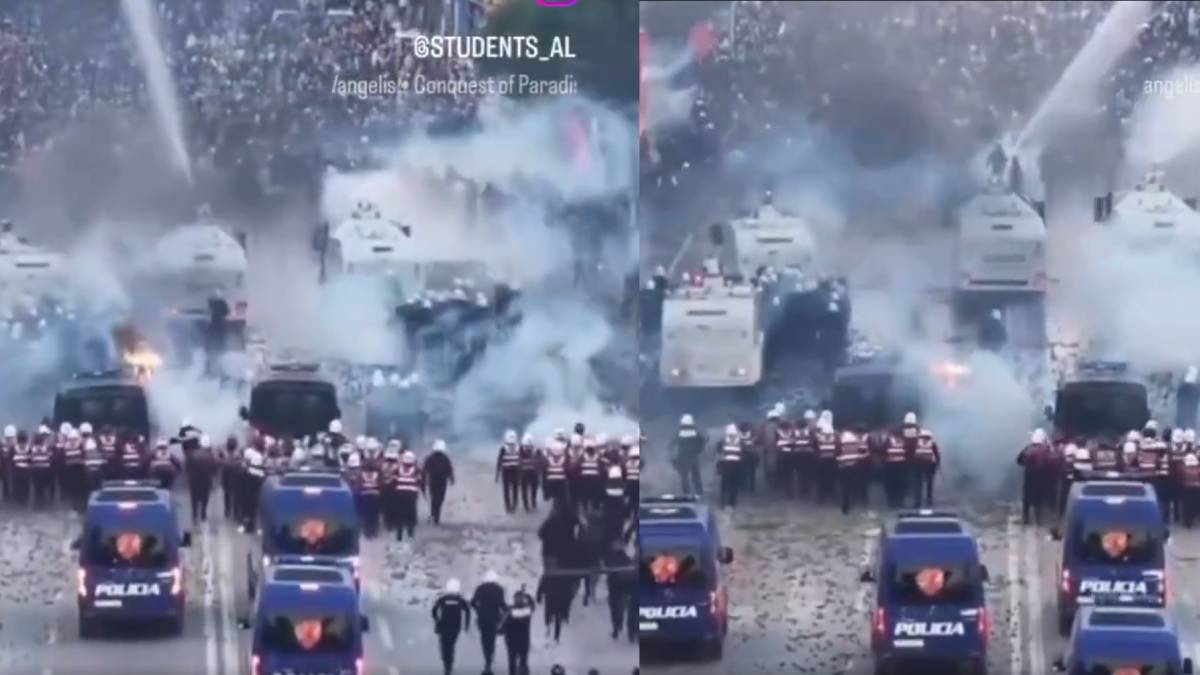
The demonstrations have brought together students and other government critics, anger toward allegations of corruption, rising education costs, unemployment and fears of the country’s governance. What began as student-led protests has become a broader confrontation with the government.
Why are people protesting in Albania?
The demonstrators want the resignation of Prime Minister Edi Rama, who has been in power since 2013 with the Socialist Party. Students have also raised concerns about university fees, poor educational conditions and limited work opportunities and wider public anger over alleged corruption and the government’s handling of public affairs.
The unrest also follows months of demonstrations against a controversial luxury tourism development on Albania's southern coast linked to an investment company founded by Jared Kushner, the son-in-law of US President Donald Trump.
The protests have thus moved beyond education-related grievances, and are about a general frustration among much of the society over political accountability, economic opportunities and the direction of the country.
Government buildings damaged as clashes escalate.
Demonstrations have turned violent and groups of protesters are throwing stones, petrol bombs and fireworks at police, and government buildings, allegedly.fires have been reported at several places, and vehicles and other public infrastructure have been set alight. Including a court, alleging supreme court of the country by many news outlets.
The unrest has also affected businesses and public spaces in central Tirana. Glasses were shattered and shops were destroyed and barricades were burned down as the violence continued.
There are serious public safety concerns on the part of the government and the security of government institutions. We should also distinguish between peaceful demonstrators and individuals acting violently and vandalizing public property.
Police respond as injuries mount.
Police have faced major challenges in containing the unrest. Police used tear gas, water cannons and baton charges to disperse crowds, and rubber bullets in the clashes were also reported.
According to figures reported on October 18, 272 people have been injured since the protests began, including 169 police officers. The numbers represent what was reported at that time and may change as more information becomes available.
There have also been hundreds of detentions during the unrest, local police have said. Police officials have said peaceful demonstrators should distance themselves from people who hide behind masks and commit crimes and attack public property.
The police have also raised questions about the way in which they have been handling the violence. There are now police officers suspended pending investigations of allegations of excessive force, highlighting the need for accountability on both sides.
Edi Rama refuses to resign.
Prime Minister Edi Rama has refused to step down, saying he has refused to quit, and insists that the protests should not derail Albania’s political future or its plan to join the European Union.
Rama is ready to listen to students’ legitimate concerns and talk about the rising cost of education. At the same time, he has condemned attacks on public institutions and warned that those responsible for violence and property destruction will face legal consequences.
He has also suggested that political opponents and outside forces are driving the unrest. These are the government’s arguments, not that they have been independently established explanations for the demonstrations.
Rama has framed the crisis as a challenge to Albania’s European integration ambitions, and the violence could damage the country’s international standing.
What’s next?
Demonstrators are pressing the Albanian government to act and still want political change. The authorities now have to contend with restoring public order in a time where education, employment, corruption and government accountability are issues.
This also highlights a very thorny issue: peaceful protest should be safeguarded, but violence against people and attacks on public property need to be investigated.
The demonstrations are, however, far from being resolved. It is not clear if political concessions or further escalation will take place in the days to come, and for now Rama has refused to resign, and protesters will continue to press their demands.
Albania’s current crisis is as much about a clash between demonstrators and police as it is about public trust and political accountability and whether the country’s leadership has any mechanism to address the grievances that drive people to the streets.b


Comments
Leave a Comment