
US intelligence agencies believe Chinese businesswoman Alice Huang (Huang Le) was recruited by China’s Ministry of State Security to spy on Nvidia and longtime CEO Jensen Huang, multiple reports citing classified assessments say.
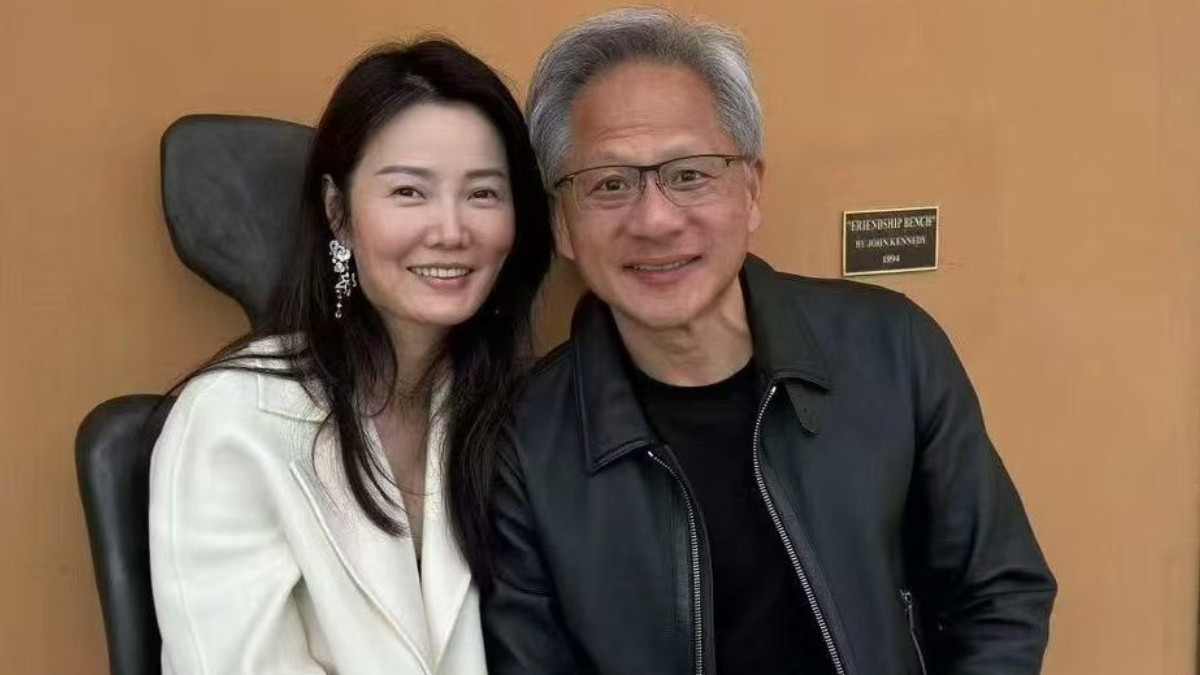
The allegations, first reported in late October 2026 by The New York Times and subsequently covered by CNN, Reuters, The Guardian and others, revolve around a close personal and business relationship between the two Huangs, who are not related.
Jensen Huang later publicly admitted to having an extramarital affair, and Nvidia’s board launched an independent probe into whether he had been the target of a foreign intelligence operation.
Alice Huang moved from Chinese state media and finance into the high-stakes world of AI infrastructure. She was a journalist first, senior at HSBC and others before becoming an executive and controlling shareholder at Megaspeed International (a Singapore cloud computing and data-centre company).
Megaspeed became one of the biggest Nvidia chip buyers in Southeast Asia (buying billions of dollars’ worth of advanced GPUs when US export controls tightly restricted direct sales of cutting-edge processors to China). The US authorities have separately looked into whether Megaspeed helped push restricted tech to Chinese end users (which Megaspeed denies).
Photos and videos from industry events in Taipei in 2024 and 2025, as well as gatherings in Shanghai and California, show Alice Huang and Jensen Huang next to each other at dinners and leaving venues together. US Customs and Border Protection records CNN reviewed showed she travelled multiple times to the United States for visits that coincided with Nvidia events.
People familiar with US intelligence said surveillance of Alice Huang over more than a year convinced officials she was working on behalf of Beijing. A classified memo reportedly signed by Secretary of State Marco Rubio in spring 2026 assessed that she had been assigned “to gather intel on American AI chips” and influence Nvidia’s position on sales to China.
Jensen Huang (married to Lori Huang since 1985) admitted the affair in a company-wide email on November 8, 2026. He apologised to his wife, children and employees that he had been unfaithful and regretted it deeply; he would cooperate with the national-security inquiry, but Nvidia had no reason to believe corporate or state secrets were compromised and opened an independent board investigation.
President Donald Trump (who was briefed on the intelligence earlier) downplayed Nvidia CEO’s knowledge of espionage motives. US Attorney General Todd Blanche later said the Justice Department hadn’t yet determined Alice Huang was a spy.
China’s Foreign Ministry denounced the accusations outright as “groundless speculation” and an attempt to smear China. Alice Huang has not said anything publicly; nobody knows where she is or if she’s still in Singapore (authorities barred her from re-entering the country after she left in February).
This all came at a time when US-China competition over AI is so fierce that control of advanced semiconductors is seen as a strategic priority for both sides. The personal relationship is established by Jensen Huang’s admission, but espionage claims are based on classified information that hasn’t been made public, so it’s unclear what kind of information was passed and how valuable it was.
Investigations by Nvidia, US agencies and others are ongoing as of late November 2026, with no public charges against Alice Huang. The scandal has already led to leadership changes at Nvidia and renewed scrutiny of chip diversion risks through third-country intermediaries. Was the relationship personal or part of a calculated intelligence operation? That’s one of the most closely watched unanswered questions in global technology rivalry.




Comments