
The fear of wild elephant attacks is once again gripping Karnataka as an estate owner was killed by a wild elephant in Tarikatte village of Kodagu district early on Saturday morning. Keshavaiah, 50, went to his estate every day as part of his routine, but the elephant attacked him suddenly, and he had no chance to escape.
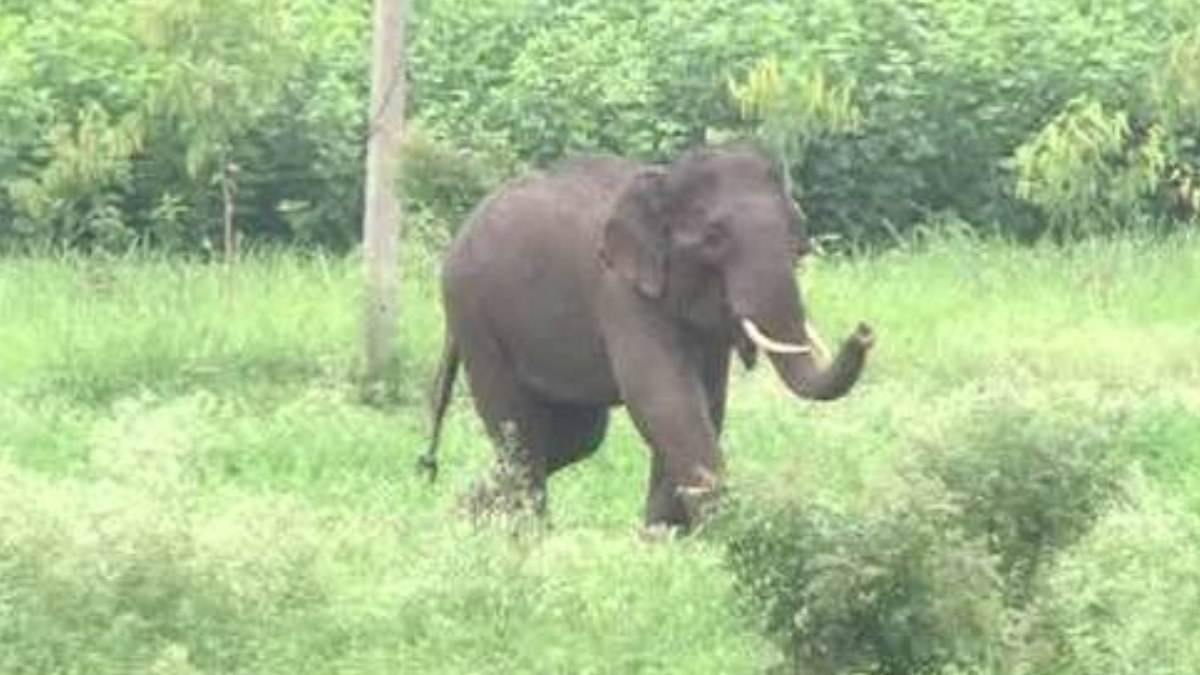
He died on the spot due to fatal injuries. The latest tragedy has created fresh fears among residents after two people were reportedly killed in separate wild elephant attacks in Hassan district earlier this week. These recurring incidents have brought into focus once again the growing human-elephant conflict in Karnataka.
Keshavaiah, who owned an estate in Tarikatte village, left home early in the morning to visit his plantation. On, like other days, he was doing his regular agricultural work when suddenly a wild elephant charged at him without any warning and attacked him. The attack was fatal, and Keshavaiah died on the spot before help could reach him.


Shocked family members of Keshavaiah, as well as locals (who reportedly used to go to his estate every day) say that he was following the same routine. News of the attack spread fast in the village, and people and family rushed to the spot.
The family members of Keshavaiah cried foul over the incident and demanded appropriate compensation from the authorities. The sudden death has devastated the family, and residents are worried about people who depend on agricultural and plantation work for livelihood, as estate owners and agricultural workers have to visit plantations in early morning and evening hours when wild elephants move through agricultural areas.
This latest attack has created an atmosphere of uncertainty among plantation workers; several people reportedly said they were not entering estates and fields, fearing that elephants might come across them.


The incident has also brought attention to the elephant menace in Kodagu district. Human-elephant conflict has remained a serious problem in many parts of Karnataka (forests, plantations and agricultural lands are close together) where wild elephants move outside forest boundaries for food and water; sometimes enter estates, agricultural fields and residential areas; dangerous encounters between humans and animals result.
Plantation workers, farmers and estate owners are at highest risk because their jobs involve a lot of time outdoors. Residents have said that occasional warnings and temporary measures won’t solve the growing problem.
The latest death comes two days after two people were killed in wild elephant attacks in Hassan district and raises questions about how often such incidents are happening in the state. The successive tragedies have made demands for stronger action by the Karnataka Forest Department more pressing.
Kodagu residents have asked forest officials to assess the movement of elephants in vulnerable areas, strengthen monitoring systems and take preventive measures so that human-elephant encounters are reduced. They also want warning systems improved so that villagers and plantation workers can get timely information when elephants are near agricultural properties and residential areas.
Villagers have also wanted a permanent solution rather than just temporary arrangements. After every fatal incident, the Forest Department should coordinate better with local communities, surveillance in elephant-prone areas needs to be improved, and teams for emergency response should reach affected places quickly.
Regular movement corridors of elephants need to be identified, warning systems need to be installed, and plantation workers made aware, etc. Residents have also demanded that compensation procedures for families who lose their loved ones in wildlife attacks be transparent and completed without undue delay.
The tragedy has once again exposed the plight of people living in forest-bordering villages of Kodagu. Families cannot escape visiting plantations and fields because those are their only source of income; but wild elephants coming close to human settlements have made daily agricultural work life-threatening. People want authorities to ensure the safety of humans first, but also use scientific and wildlife-friendly methods for the movement of elephants.
While Keshavaiah’s family grieves his death, villagers are waiting for the Forest Department and district administration to respond effectively. This is another warning that human-elephant conflict needs to be addressed in Karnataka. Residents have demanded that government should give adequate compensation to victim’s family and long term measures so as not to repeat such tragedies. Until solutions are introduced fear will continue among estate owners, farmers and workers who go to plantations daily for their livelihood.








Comments