
Garment workers in Bangladesh protested on Thursday, Nov. 5, despite the wage board agreeing to introduce a revised pay structure from Dec. These protests, which began on Saturday, have forced hundreds of factories to suspend operations in the world's second-largest garment-exporting country.
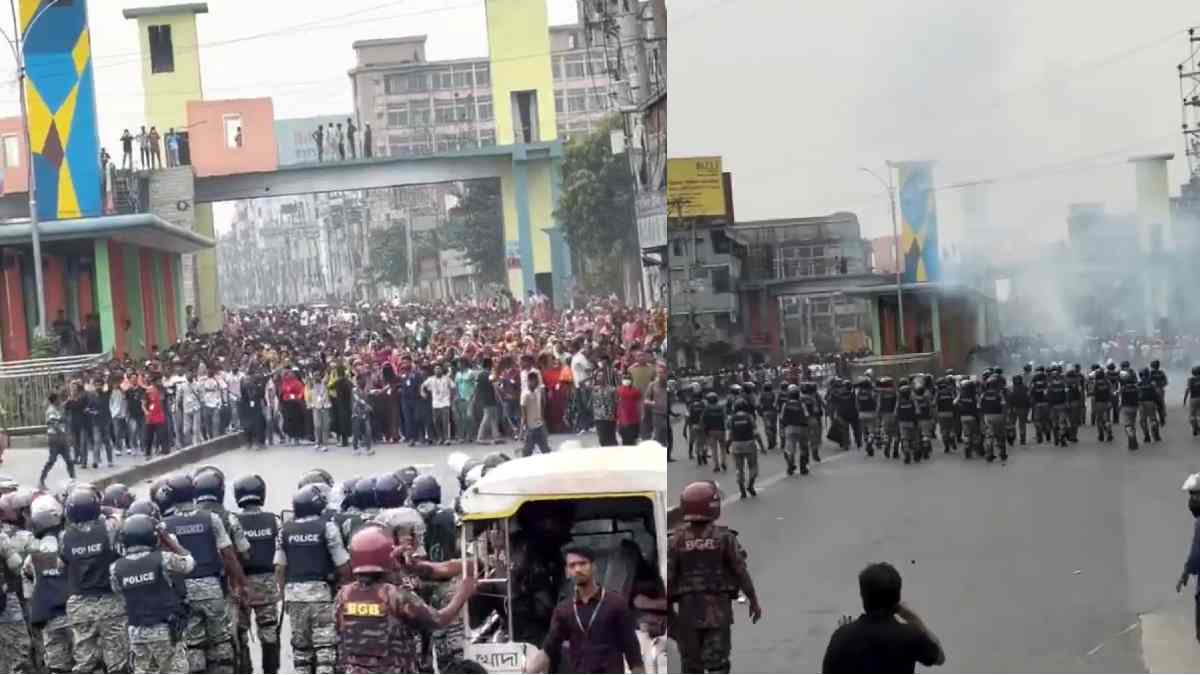
Workers initially reported to factories on Thursday morning in Ashulia, a major garment manufacturing hub on the outskirts of Dhaka. However, many later walked out and blocked a major highway, demanding a clear announcement on the proposed wage increase.
The workers are demanding that the minimum monthly wage be raised to Tk 30,000 from the current Tk 12,500. They say rising food, housing and transportation costs have significantly weakened their purchasing power, making it increasingly difficult to meet basic household expenses.
Police Action and Government Response
The protests have also led to clashes between workers and law enforcement personnel. In Ashulia, police used tear gas and sound grenades to disperse demonstrators after protesters allegedly threw bricks and vandalised police vehicles, according to Ashulia Industrial Police Superintendent Mohammad Mominul Islam Bhuiyan.
More than 100 factories in the Ashulia industrial zone suspended operations on Thursday. Additional police and Border Guard Bangladesh (BGB) personnel were deployed across the area to prevent further unrest. Conditions were comparatively calmer in other industrial centres, including Savar and Gazipur, where some workers returned to their jobs.
The government has urged workers to return to their workplaces and resolve their demands through dialogue. A six-member minimum wage board was formed on Nov 1 to review the existing pay structure. On Nov 4, the board agreed to introduce the revised structure from Dec, with workers expected to receive their first salaries under the new scale in January. However, the amount of the increase has not yet been finalised.
Bangladeshi garments workers are protesting in Dhaka, Gazipur 4.11.26 https://t.co/j0d17wHbI9
— Saju Karim (@sajudulkarim) November 4, 2026
Bangladesh's Garment Industry
Bangladesh's garment industry employs approximately four million people and generates more than 80% of the country's export earnings. It supplies clothing to major international brands, including H&M, Zara and Walmart.
Low labour costs have helped international brands gain profits in Western markets despite keeping prices low, but workers' demands have once again drawn attention to wages and working conditions in the industry. International reports and documentaries have repeatedly highlighted concerns over low pay, workplace conditions and labour exploitation in garment supply chains.
The ongoing protests also raise concerns about production schedules and delays to export shipments, particularly during a crucial period for international orders. The dispute has placed the spotlight on the need for a revised wage structure that addresses workers' living costs while allowing the industry to maintain its position in the global market. The protests have also brought a beacon of hope for the improvement of working conditions for these workers in Bangladesh.
The workers' demands remain unresolved as they await a clear announcement on the proposed increase.


Comments