
The cargo ship, which was carrying more than 2,500 containers, has sunk after hitting a naval mine and catching fire south of the Strait of Hormuz, according to Iran's Islamic Revolutionary Guard Corps (IRGC) Navy statement today, as high tension and security worries increase for commercial shipping on the strategic waterway.
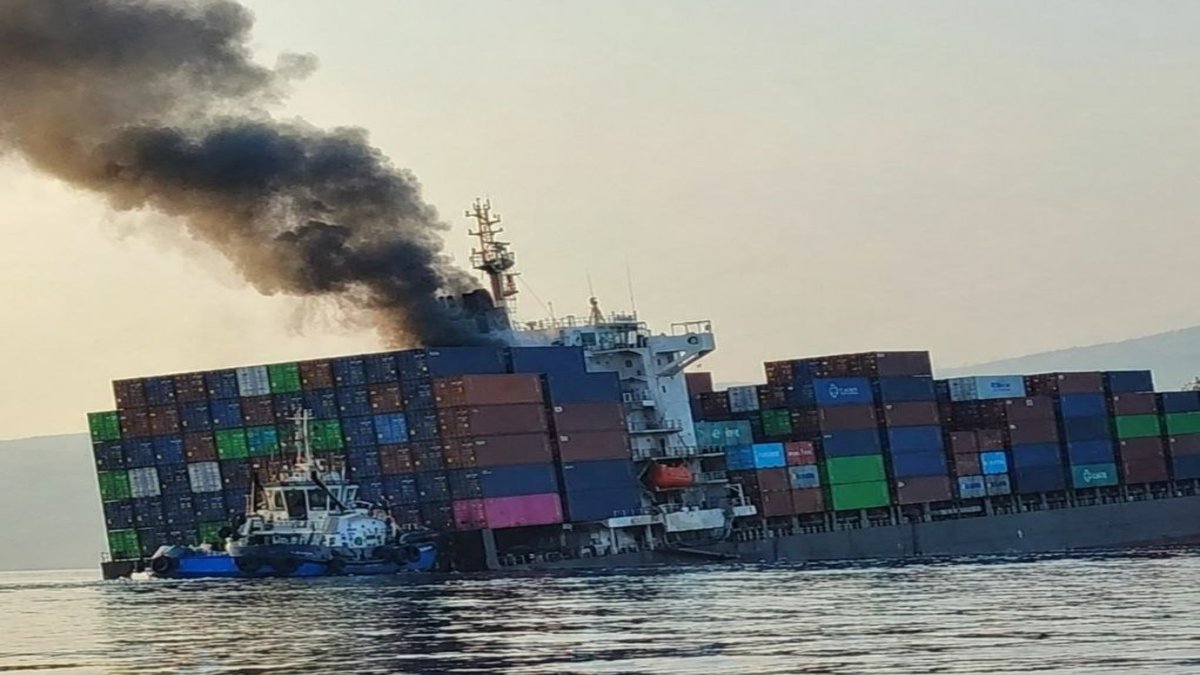
The ship exploded when it hit the mine, and a fire broke out, Iranian state media reported. The fire grew so large that the ship sank. But international maritime monitors have not verified the incident, and many things, including the ship's name, flag, ownership and the fate of its crew, are not clear. The sinking has raised fresh concerns about the risks faced by commercial vessels in the area.
The cargo ship was trying to pass through what Iranian authorities described as an unauthorised and dangerous route through the Strait of Hormuz when it struck the naval mine, the IRGC said. The explosion caused a fire to spread into the ship, and it finally sank in southern waters of the strait. Iranians also warned local vessels and fishermen to be careful in the area.
But the ship’s identity was not revealed, and neither was the country in which the ship was registered. These unanswered questions are critical to understanding the full scope of the incident. Until the sinking is discovered by maritime authorities or by the vessel owners themselves, the circumstances will be treated as reported allegations and not as facts that have been independently established.
What happened Wednesday shows how difficult it can be to navigate the Strait of Hormuz (or the Persian Gulf) with the Gulf of Oman and Arabian Sea and is a critical route for international energy shipments and other commercial cargo. Oil tankers, container ships and industrial goods are dependent on safe passage through the Gulf to connect producers in the Gulf with markets around the world.
Any danger to navigation can make shipping companies reassess their routes, take steps to secure them and to prepare for delays. A naval mine is particularly dangerous because it can cause casualties to vessels travelling through affected waters and not so much to the specific ship. If this mine strike is confirmed, maritime authorities would need to investigate the surrounding area for further hazards, send communications to commercial operators and issue new navigation warnings to them.
The sinking also comes in the wake of a wider series of reported attacks on vessels in the Strait of Hormuz. Iran has also been increasingly taking on new tactics to attack shipping, Reuters reported on October 14, and maritime security fears had already forced some operators to consider turning around their plans to sail through the region. Commercial ship accidents have also added to the fears among shipowners, crew members, insurance companies and international trading firms alike.
The International Maritime Organisation has also been documenting a large number of attacks on international shipping in the Middle East during the ongoing conflict. These incidents highlight the vulnerability of commercial ship owners and crew in a region where military confrontation and restrictions on maritime activity are already a concern. But investigators would have to establish whether the latest reported sinking was related to other incidents or a separate event. Sources: Reuters and the International Maritime Organisation.
The economic implications of disruption of the Strait of Hormuz are not limited to a ship that was lost. A container ship can carry thousands of containers of manufactured goods, machinery, consumer products, industrial components and other merchandise. And so, a ship with more than 2,500 containers would impact cargo owners, shipping companies, logistics providers and insurance companies, depending on the nature and value of the cargo on board.
The financial implications of this particular incident remain to be determined because the identity, cargo manifest and insurance arrangements of the ship are not known. More broadly, rising security risks in the region can drive up war-risk insurance premiums, freight costs, and delay international shipping.
If shipping companies divert vessels away from dangerous waters, longer trips could involve higher fuel consumption and transportation costs. And so the effects of such pressures can ultimately be felt by importers, exporters and consumers, but how long the disruption lasts is still uncertain.
The questions at the moment are about the crew, the ownership and registration of the ship, the location of the sinking and whether there are still naval mines posing a threat to other vessels. We will need independent evidence from maritime monitoring agencies and national authorities that can give some information about what happened. If there is a rescue operation, environmental assessment or navigation warning afterwards, we will get more information about what happened. Until more evidence is available, the claim that a ship carrying more than 2,500 containers sank after striking a naval mine remains attributed to Iranian authorities and has not been independently confirmed.







Comments
Leave a Comment