
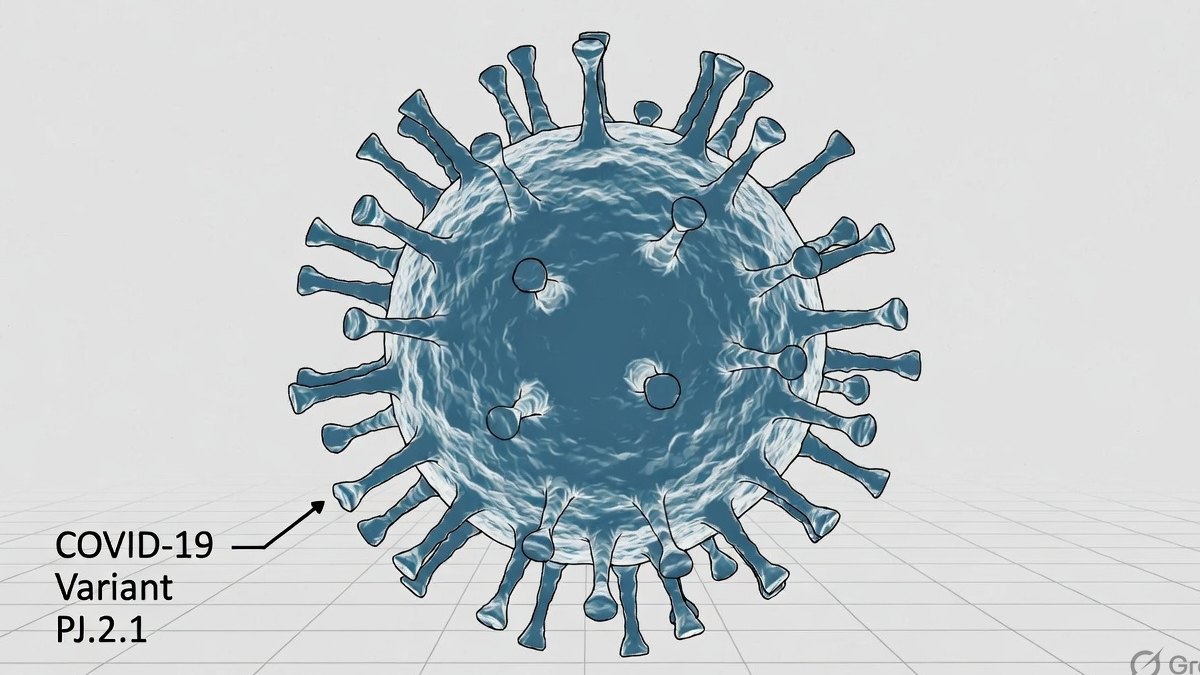
A sore throat, runny nose, fever and cough are symptoms of seasonal flu or the common cold, but health officials say don’t ignore them. A new COVID-19 variant, PJ.2.1, is causing alarm because its symptoms are so similar to other respiratory infections.
The World Health Organisation (WHO) said it was difficult to diagnose the infection by symptoms alone and diagnostic testing should be done where necessary. Respiratory illnesses are still circulating, so people shouldn’t assume that every fever, cough or irritation in the throat is just a seasonal infection.
COVID-19 has changed a lot since it first emerged, but the virus behind the pandemic hasn’t gone away. New variants and sublineages of SARS-CoV-2 are emerging, so healthcare professionals and public health authorities need to watch out for them and how they spread and impact.
PJ.2.1 was noticed because its reported symptoms overlap considerably with those of influenza and the common cold. Reports said on November 8 that WHO said people infected with this variant may have symptoms similar to those caused by other common respiratory viruses, and so it is hard to tell COVID-19 from seasonal infections without testing.
PJ.2.1 is a lineage of SARS-CoV-2 (the virus that causes COVID-19). Sore throat, fever, runny/blocked nose, cough persisting more than 3 weeks, headache, body aches and fatigue have all been reported symptoms so far.
Infectious disease specialist and virologist Elena Malinnikova has also reportedly said severe throat pain and prolonged tiredness could be features of infection too, but experts say these are not specific to PJ.2.1. There isn’t yet a pattern of symptoms that can independently confirm infection with this lineage, so people shouldn’t rely on sore throat severity or tiredness duration alone to tell them if they have caught the new variant.
One of the biggest challenges for patients is to differentiate COVID-19 from influenza. Both infections can cause fever, chills, cough, sore throat, headache, muscle pain, weakness and extreme tiredness. A person infected with either virus may also have a runny nose or nasal congestion.
Some COVID-19 patients do have changes in their sense of smell or taste, but these symptoms don’t occur in everyone. Influenza generally develops suddenly, and high fever, body aches and extreme exhaustion are common. COVID-19 symptoms can vary considerably from one person to another, but those differences aren’t reliable enough on their own to diagnose without medical evaluation or testing.
The WHO says diagnostic testing should be done whenever identifying the infection might change treatment decisions or public health measures. Depending on a patient’s condition and diagnostic facilities available, doctors may suggest a COVID-19 test or an influenza test or a combination test that can detect both infections.
Early identification is important for people who are at high risk of developing serious complications. People with respiratory symptoms should consult healthcare professionals if their condition worsens; have underlying medical conditions; or are not sure what to do (self-diagnosis based on symptoms alone could delay necessary medical care).
Older people, pregnant women, people with weakened immune systems and those living with chronic health conditions (diabetes, heart disease, respiratory disorders) should be especially careful because they are more likely to have severe complications from COVID-19 as well as influenza.
Some warning signs need immediate medical attention: difficulty breathing, chest pain or pressure that does not go away, confusion, unusual drowsiness or loss of consciousness. People who have these symptoms shouldn’t wait for the illness to get better on its own; getting medical help soon can prevent complications and ensure treatment is appropriate.
PJ.2.1 is being monitored, but there isn’t yet enough evidence to say it causes more severe illness than previous COVID-19 variants. Its similarity to influenza and common cold symptoms means awareness and testing are especially important.
People can reduce the risk of respiratory infections by hand hygiene, covering mouth and nose when coughing or sneezing, not close contact with others if unwell and staying at home while infectious. When in crowded indoor spaces (especially when sick), wear a mask. Keeping recommended COVID-19 and influenza vaccinations up to date remains an important preventive measure as well.
Respiratory infections are still circulating, so health experts say people should listen to persistent symptoms rather than treating them as a cold. Not every sore throat, cough or fever is COVID-19, but knowing the similarities between illnesses can help people decide whether to test and treat. Alertness, medical advice followed and preventive action remain important for individual and community health protection.




Comments