
The Supreme Court of India has made an important observation on the suspension of government employees who are held in judicial custody for more than 48 hours. It said that under applicable service rules, a public servant detained in judicial custody beyond the prescribed 48 hours is treated as being under deemed suspension even if the department does not issue a separate order of suspension.
The observation was made while hearing a bribery case against a government hospital administrator in Bihar and has highlighted the responsibilities of departments when employees are arrested and detained.
A bench of Justice J.B. Pardiwala and Justice Manmohan observed while hearing an appeal filed by Vishwajeet Singh, administrator of Sadar Hospital at Samastipur in Bihar, who was accused of demanding a bribe of Rs 4000 to release pending wages of a contractual employee (complainant’s outstanding wages reportedly amounted to Rs 36421). A case was registered against him under the Prevention of Corruption Act, 1988, and he was arrested and placed in judicial custody.

Singh was in judicial custody for about 15 days after his arrest, and then the Sessions Court granted him regular bail, but the complainant challenged the order before the Patna High Court. Nearly a year after the Sessions Court had granted bail, on July 1, 2026, the High Court cancelled it and said Singh be taken back into custody. Singh approached the Supreme Court against this decision.
The Supreme Court looked into the circumstances leading to the cancellation of bail. The bench said the Patna High Court had come in almost a year after the accused was released on bail; the Sessions Court had referred to the amount of the alleged bribe being small, and so it must have influenced the High Court’s decision as well. “Amount of alleged bribe whether small or large should not by itself decide whether bail should be granted or cancelled,” the Supreme Court said.
The bench said bail decisions ordinarily should take into account the nature of allegations against an accused, the maximum punishment that could be imposed if convicted and overall circumstances of the case. Bail may be refused when an accused has criminal antecedents or when facts and circumstances are very serious (the court also said that “bail may be refused where facts and circumstances are particularly serious”). But just because one disagreed with the lower court’s description of the alleged bribe amount was not enough in this case to cancel bail.
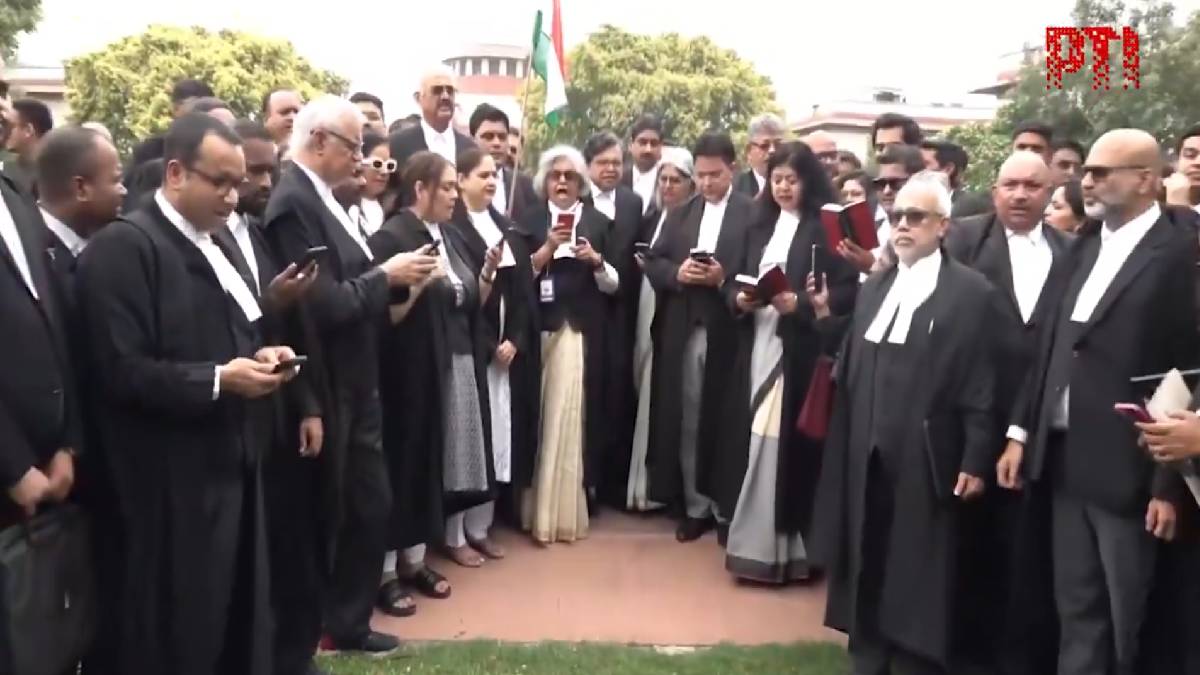
The court also expressed concern over Singh’s employment status after his arrest. The State told the bench during the hearing that Singh was suspended after his arrest, but the suspension order was later revoked, and he was reportedly posted back to Sadar Hospital in Samastipur in the same post which he had earlier held.
The bench was strong in its observations on this development. The judges said Singh had been in judicial custody for nearly 15 days, which is more than the 48 hours stipulated under applicable service rules. The court said once a public servant is arrested and kept in judicial custody for more than 48 hours, deemed suspension comes into force, and a separate order is not required to establish it. The bench called revocation of his suspension and posting him back at the same hospital in the same position disturbing.
The Supreme Court asked the Bihar government to look into the matter at the earliest and take action in accordance with law. It said that government departments must follow service regulations when employees are kept in custody beyond the prescribed period. The observation also questioned the administrative decision to reinstate an employee in the same post after initial suspension was revoked.
In the end, the SC set aside the Patna High Court’s July 1, 2026 order and restored the regular bail granted by the Sessions Court to Singh. This means that earlier bail was restored, but it does not mean that bribery allegations were false or the accused is innocent. The criminal case and allegations against him remain subject to legal process.
The ruling has renewed attention to the deemed-suspension provision available under government service rules. But the 48-hour provision must be read in relation to those service regulations which apply to the employee concerned (its precise application may vary depending on those rules and the employee’s category of service). The Supreme Court’s comments in this case show that government authorities have to follow those rules very carefully and make sure administrative decisions are legal.





Comments