
The India Meteorological Department (IMD) has issued an orange alert for five districts in Tamil Nadu to be monitored for heavy to very heavy rainfall at isolated places as the northeast monsoon is intensifying in the state.
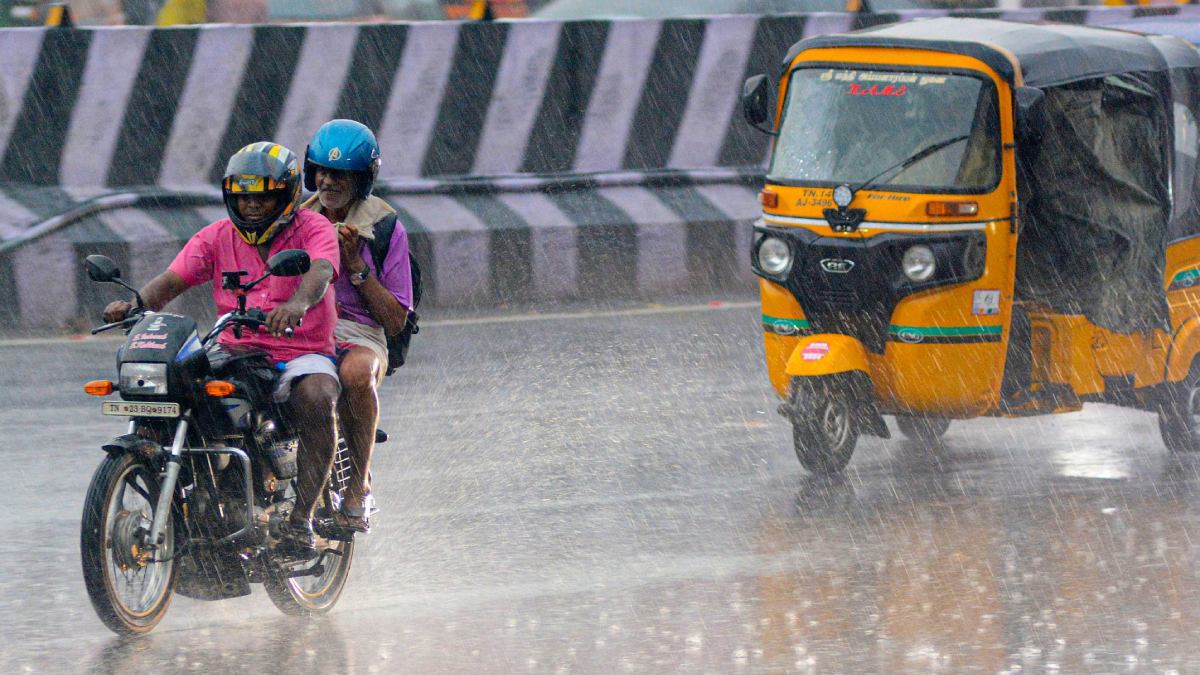
Districts under the alert are:
- Tirunelveli
- Kanniyakumari
- Nilgiris
- Coimbatore
- Theni
Waterlogging and flooding could lead to the heavy rainfall and thunderstorms, lightning and strong winds there and road travel, daily activities and access to low-lying areas in such areas may be affected, said the IMD.
According to weather reports, there will be precipitation in a number of parts of Tamil Nadu, with southern and western, central and delta districts likely to be hit by different intensity of rain.

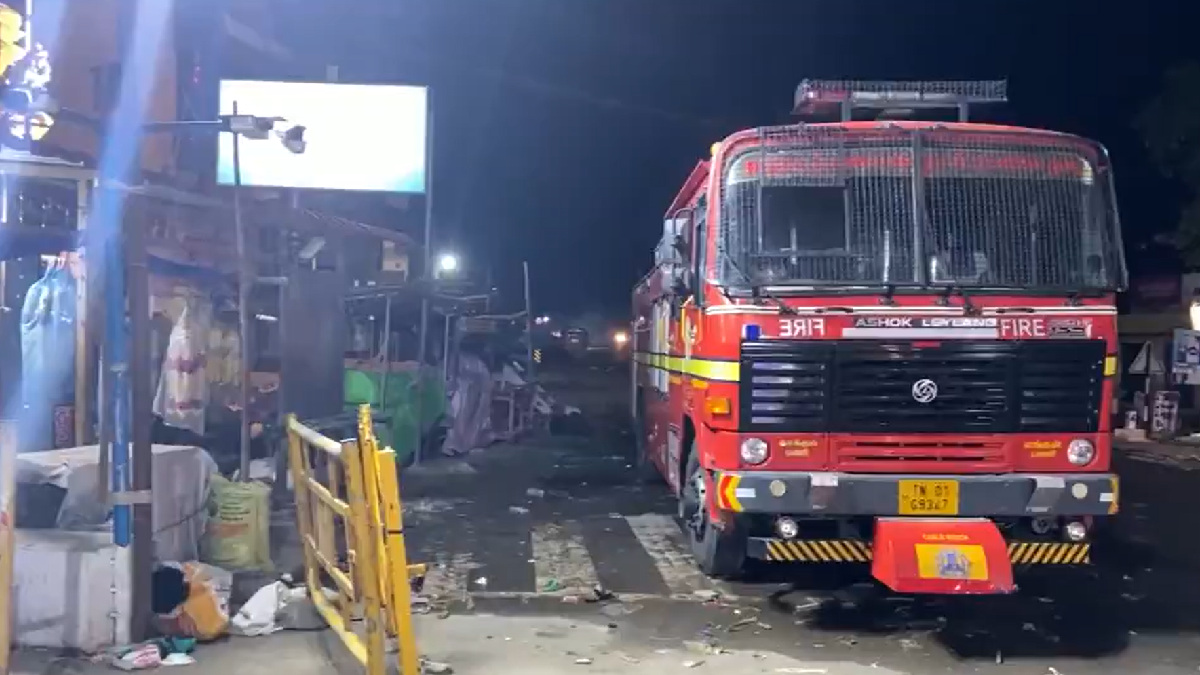
The orange alert implies that heavy rainfall may be expected, and that residents and local authorities will need to take precautions. Heavy rain is expected mainly at isolated locations in the five districts but the intensity of rainfall will differ from one place to another and so people should not conclude that all parts of an alert district will get the same amount of rain.
In combination with the five districts under the orange alert, heavy rainfall has also been expected in other parts of Tamil Nadu. These include Chennai, Tiruvallur, Kancheepuram, Chengalpattu, Erode, Salem, Namakkal, Karur, Tiruchirappalli, Madurai, Dindigul, Tenkasi, Virudhunagar, Tiruppur, Thanjavur, Cuddalore and Thoothukudi, amongst others. Heavy rain in some places may also be observed in Puducherry and Karaikal.
Chennai and its surroundings could be under cloudy skies and heavy rain which could cause severe traffic headaches and waterlogging of roads with poor drainage. The commuters should be prepared for the longer travel time and take care while driving during heavy rain.
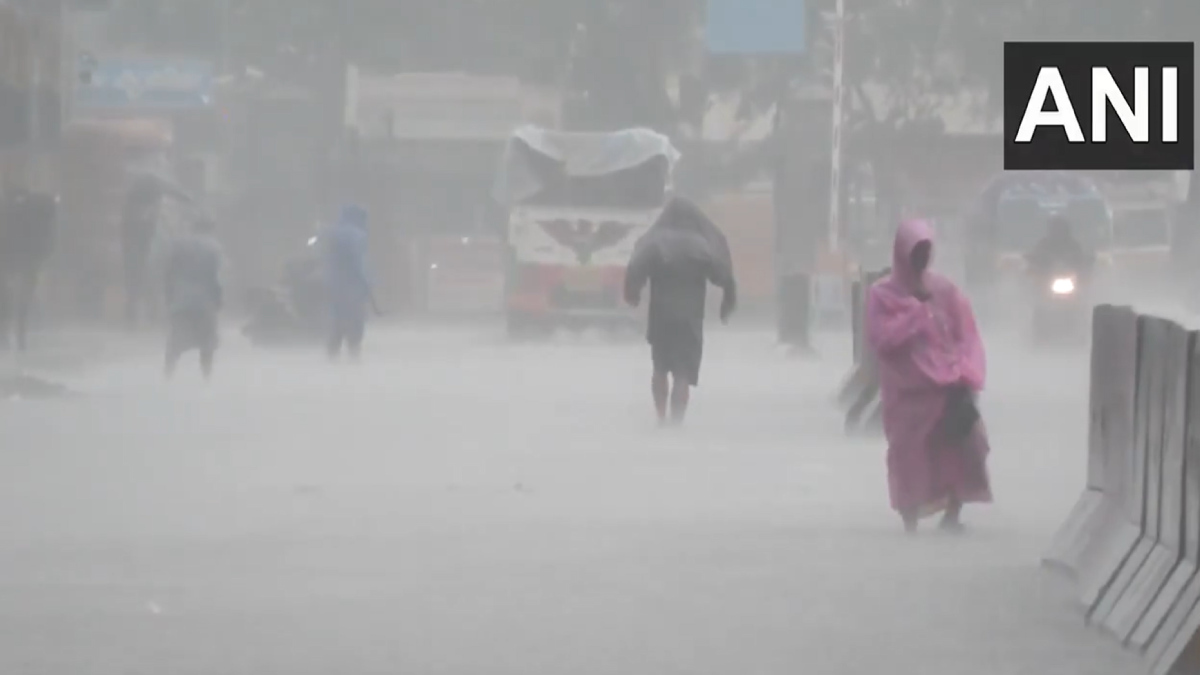

The ongoing rainfall is associated with the active northeast monsoon and a low-pressure system over the Bay of Bengal. The system may intensify in the coming days and can affect rainfall in many parts of southern India.
Such weather systems can change the distribution and intensity of rainfall and can affect rainfall distribution and intensity so monitoring of the IMD and regional meteorological centres is very important to residents. Forecasts can be changed as new observations become available, especially when a low-pressure region is expected to grow stronger.
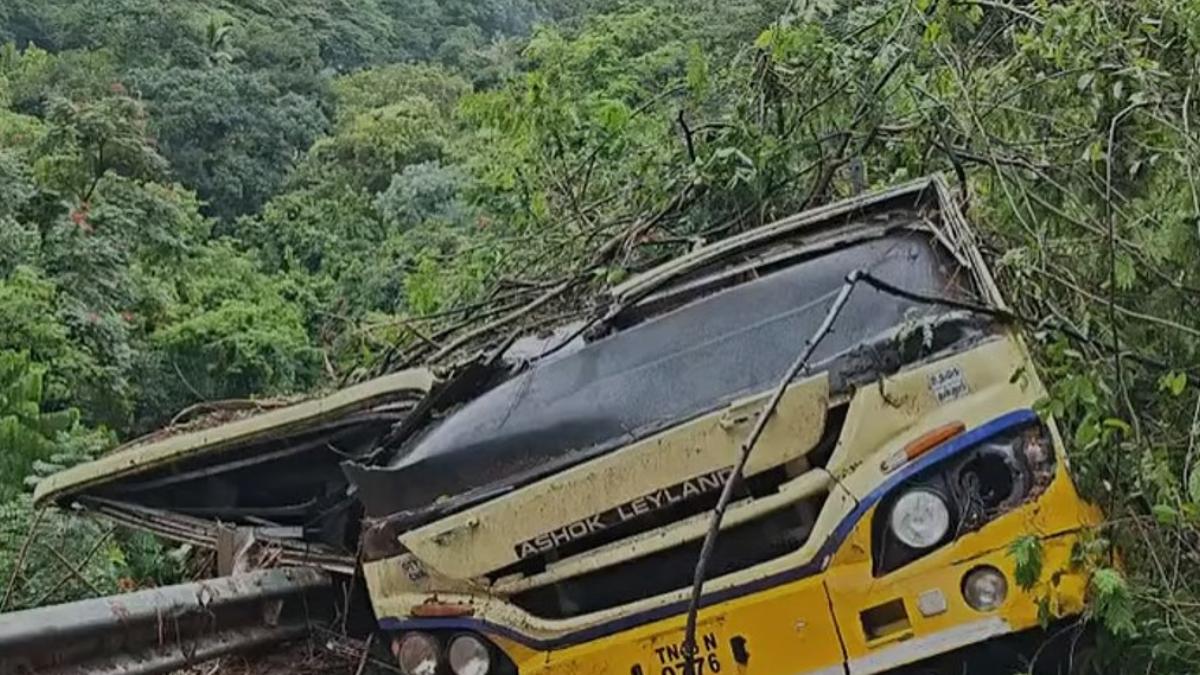
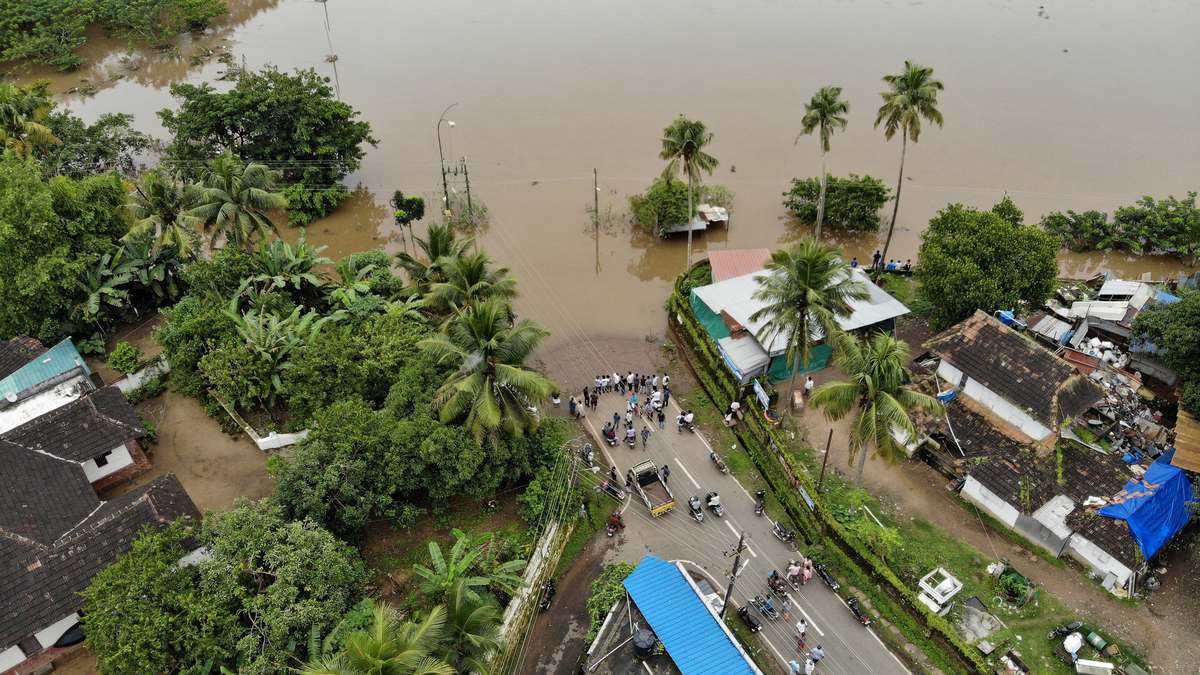
Heavy rainfall can bring various challenges for the residents and farmers, as well as public and local governments. Water can quickly build up in low-lying areas, underpasses and poorly drained streets and swollen streams and waterlogged roads can make it challenging to move around. In hilly areas like the Nilgiris and parts of the Western Ghats, continuous rain may also make slope instability, localised landslides and falling trees more likely.
Farmers may also need to keep track of the condition of the ground, the drainage of fields and crop exposure - especially in areas where the rains are heavy for so long. Anyone can expect local authorities to take into account local conditions and take appropriate action where appropriate.
Residents should not walk or drive through flooded roads or pathways or rivers and people should avoid crossing flooded roads or streams.
Motorists should drive slowly on wet roads and stay far enough away from others when it rains, stay away from open fields, isolated trees and electricity poles and high elevated points in open fields, and avoid unnecessary trips during heavy downpours during storms.
Electrical wires falling down on the ground should be treated as dangerous, and people living in the affected areas must report the fallen wires to the authorities instead of approaching them. People living in vulnerable areas should also follow directions issued by district administration and emergency services.
The northeast monsoon is vitally important to Tamil Nadu because it contributes a substantial share of the state’s annual rainfall and replenishes reservoirs, lakes and groundwater resources.
But very heavy rainfall during short periods can also be a risk to inundation, particularly in urban areas where drainage is limited. So as the monsoon season winds down, forecasting and communication must be done in time in order for the monsoon season to be effective.
This is not the case that schools or offices will close because of the orange alert and that is up to local conditions and the authorities to make the announcement.







Comments